Navigating the vibrant landscapes of Bolivia often comes with questions about safety and security. As someone who’s spent a fair amount of time exploring this South American gem, I can tell you that while Bolivia offers incredible cultural experiences and stunning natural beauty, it’s wise to be aware of the local scene.
Like any destination, there are areas where you’ll want to exercise extra caution and times when it’s best to stick to well-lit, populated areas. The overall trend suggests petty theft and scams are the most common concerns, but staying informed can make all the difference.
Let’s dive into the specifics to ensure your Bolivian adventure is both memorable and safe. We’ll uncover the real picture. Let’s get informed, and I’ll share what I’ve learned so you can plan accordingly!
Alright, here is the content:
Navigating Common Tourist Traps

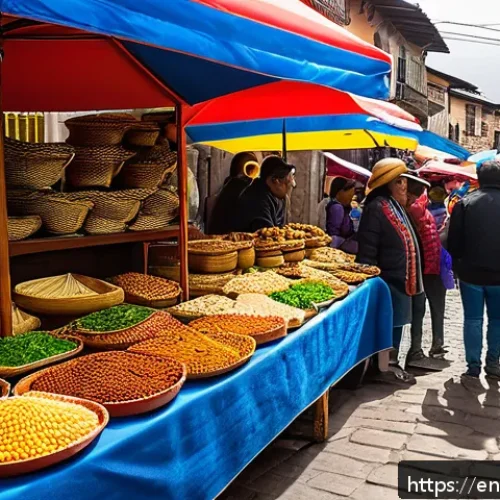
Bolivia, with its breathtaking landscapes and vibrant culture, unfortunately, also presents opportunities for tourist traps. In bustling areas like La Paz’s markets or near popular attractions such as Lake Titicaca, it’s wise to be extra vigilant.
I remember once in La Paz, almost falling for the ‘shoe shine scam’ where a friendly local offers a free shine, only to demand an exorbitant amount afterward.
It’s experiences like these that make you realize the importance of staying savvy. One of the biggest travel mistakes I made was not researching common scams beforehand.
If you do your research, you’ll be well-equipped to sidestep these common issues.
Staying Alert in Crowded Areas
Pickpocketing is prevalent, particularly in crowded markets and during festivals. Keep your valuables close, ideally in a hidden money belt or a cross-body bag.
Never flash expensive items like cameras or smartphones. If you need to check directions, step into a shop or café rather than openly displaying your phone on the street.
Verifying Tour Operators and Services
Always book tours and transportation through reputable companies. Ask for recommendations from your hotel or hostel, and check online reviews. Unlicensed operators may offer tempting deals, but they often compromise on safety and quality.
Understanding Transportation Risks
Getting around Bolivia involves various modes of transportation, each with its own set of potential risks. While buses are a common and affordable option, they can sometimes be overcrowded and poorly maintained.
Taxi scams, especially in larger cities, are also something to watch out for. On a trip from Potosi, our bus had a tire blowout in the middle of nowhere, highlighting the importance of choosing reliable transportation options.
Choosing Safe Bus Companies
Opt for reputable bus companies known for their safety records. Check if the bus has seatbelts, and use them. Avoid traveling on buses at night, as roads can be poorly lit and driving conditions more hazardous.
Negotiating Taxi Fares
Always agree on a fare before getting into a taxi, especially if the taxi doesn’t have a meter. Learn a few basic phrases in Spanish to negotiate effectively.
Consider using ride-hailing apps like Uber, if available, which offer more transparency and accountability.
Minimizing Health Concerns
Health risks in Bolivia can range from altitude sickness to foodborne illnesses. Taking preventive measures and being aware of potential health issues is essential for a safe trip.
On my first trip to La Paz, I completely underestimated the altitude and spent the first two days battling a severe headache and nausea. It was a tough lesson learned about the importance of acclimatization.
Acclimatizing to High Altitude
If you’re traveling to high-altitude cities like La Paz or Potosi, spend a few days acclimatizing before engaging in strenuous activities. Drink plenty of water, avoid alcohol and heavy meals, and consider taking altitude sickness medication if recommended by your doctor.
Practicing Food and Water Safety
Drink bottled water and avoid ice cubes. Eat at reputable restaurants and avoid street food that looks unhygienic. Wash your hands frequently, especially before meals.
Respecting Local Customs and Laws
Bolivia has a rich cultural heritage, and respecting local customs and laws is crucial for a positive travel experience. Dress modestly when visiting religious sites, and ask for permission before taking photos of people.
Be aware of local laws, especially regarding drugs, as penalties can be severe. Once, I inadvertently almost caused offense by taking photos during a religious procession.
A local guide gently explained the protocol, highlighting the importance of being mindful of cultural sensitivities.
Understanding Cultural Sensitivities
Learn about local customs and traditions before your trip. Be respectful of religious sites and ceremonies. Avoid public displays of affection, and dress modestly, especially in rural areas.
Adhering to Local Laws
Be aware of Bolivian laws, especially regarding drugs. Penalties for drug offenses are severe, even for possession of small amounts. Avoid getting involved in any illegal activities.
Utilizing Travel Insurance and Emergency Contacts
Travel insurance is a must for any trip to Bolivia, as it can cover medical expenses, theft, and other unexpected events. Keep a list of emergency contacts, including your embassy or consulate, and share it with a trusted friend or family member.
During one particularly unnerving experience, when I lost my wallet in a crowded market, having travel insurance gave me peace of mind knowing I had a safety net.
Selecting Comprehensive Travel Insurance
Choose a travel insurance policy that covers medical expenses, trip cancellations, theft, and other potential issues. Read the policy carefully to understand what is covered and what is not.
Keeping Emergency Contacts Handy
Keep a list of emergency contacts, including your embassy or consulate, local police, and your insurance provider. Share this list with a trusted friend or family member.
Understanding Political Instability and Protests
Bolivia has a history of political instability and social unrest, which can sometimes disrupt travel plans. Stay informed about current events and avoid areas where protests or demonstrations are taking place.
During my travels, I encountered several roadblocks and strikes that significantly impacted my itinerary. Staying flexible and informed helped me navigate these challenges.
Monitoring Current Events
Stay updated on current events in Bolivia through reputable news sources. Be aware of potential protests, strikes, or roadblocks that could disrupt your travel plans.
Avoiding Protest Areas
Avoid areas where protests or demonstrations are taking place. If you encounter a protest, stay calm and move away from the area. Follow the instructions of local authorities.
Leveraging Local Knowledge and Support
One of the best ways to stay safe in Bolivia is to tap into local knowledge and support. Talk to hotel staff, tour guides, and local residents for tips on safe areas and potential risks.
Learning some basic Spanish phrases can also be incredibly helpful. During my travels, I found that locals were always willing to offer advice and assistance, making my experience much richer and safer.
Engaging with Locals
Talk to hotel staff, tour guides, and local residents for tips on safe areas and potential risks. Learn some basic Spanish phrases to communicate more effectively.
Seeking Assistance When Needed
Don’t hesitate to ask for help if you need it. Most Bolivians are friendly and willing to assist tourists. If you feel unsafe or threatened, seek assistance from the local police or your embassy or consulate.
| Risk Category | Common Issues | Prevention Tips |
|---|---|---|
| Theft & Scams | Pickpocketing, fake police, shoe shine scams | Conceal valuables, verify IDs, be wary of unsolicited offers |
| Transportation | Unsafe buses, taxi scams, road accidents | Choose reputable companies, negotiate fares, avoid night travel |
| Health | Altitude sickness, foodborne illness, insect bites | Acclimatize slowly, drink bottled water, use insect repellent |
| Political Instability | Protests, strikes, roadblocks | Monitor news, avoid protest areas, stay flexible |
Bolivia’s allure is undeniable, but staying informed and prepared is key to a safe and fulfilling journey. By understanding potential risks, respecting local customs, and utilizing available resources, you can navigate this beautiful country with confidence and create lasting memories.
Wrapping Up
Traveling through Bolivia requires a blend of adventure and caution. Being aware of potential pitfalls and taking simple precautions can significantly enhance your experience. Stay vigilant, embrace the culture, and let the beauty of Bolivia unfold before you.
Remember to share your experiences and help fellow travelers navigate this incredible destination safely. Safe travels!
Good to Know
1. Currency and ATMs: The local currency is the Boliviano (BOB). ATMs can be found in major cities, but it’s advisable to carry cash, especially in rural areas. Notify your bank before traveling to avoid any issues with your card.
2. Plugs and Voltage: Bolivia uses Type A and Type C plugs, with a voltage of 230 V and a frequency of 50 Hz. Consider bringing a universal adapter.
3. Tipping Etiquette: Tipping is customary in Bolivia. A 10% tip is generally expected in restaurants, while tipping taxi drivers is not mandatory but appreciated for good service.
4. Emergency Numbers: In case of emergency, dial 110 for the police, 118 for an ambulance, and 119 for the fire department. Save these numbers in your phone.
5. Spanish Phrases: Learning a few basic Spanish phrases can greatly enhance your interactions with locals. Simple phrases like “Hola” (Hello), “Gracias” (Thank you), and “Por favor” (Please) go a long way.
Key Takeaways
Stay Alert: Be vigilant in crowded areas to avoid theft and scams.
Choose Wisely: Opt for reputable transportation and tour operators to ensure safety and quality.
Prioritize Health: Acclimatize to the altitude, practice food and water safety, and consult your doctor about necessary vaccinations.
Respect Culture: Learn about and respect local customs to avoid causing offense.
Get Insured: Purchase comprehensive travel insurance to cover unexpected events and medical expenses.
Frequently Asked Questions (FAQ) 📖
Q: What are the biggest safety concerns travelers should be aware of in Bolivia?
A: From what I’ve gathered and experienced myself, petty theft and scams are the most common issues you might encounter. Think pickpocketing in crowded markets or someone trying to overcharge you for a taxi ride.
I once had someone try to convince me my $20 bill was fake! Just stay alert, especially in touristy areas, and keep your belongings close. It’s also worth keeping an eye out for less reputable tour operators – sticking with well-reviewed ones can save you a headache.
Q: Are there any specific areas in Bolivia that travelers should avoid, or be extra cautious in?
A: Honestly, like anywhere, there are neighborhoods you probably wouldn’t want to wander around in late at night. La Paz and El Alto can be a bit dicey after dark, so I’d advise sticking to well-lit streets and populated areas.
If you’re traveling through more remote regions, it’s a good idea to check with locals about any potential risks and avoid walking alone at night. When I was in Potosi, a local told me about a street that was known for petty crime, and I was glad I had that insider tip!
Q: What are some practical tips for staying safe while traveling in Bolivia?
A: Okay, so here’s what I’ve learned: First off, make copies of your important documents and keep them separate from the originals. I always stash a copy of my passport in my backpack.
Secondly, try not to flash expensive jewelry or electronics. Keep things low-key. And finally, learn a few basic Spanish phrases.
Being able to communicate, even just a little, can really help you navigate situations and avoid misunderstandings. Oh, and trust your gut! If a situation feels off, it probably is.
📚 References
Wikipedia Encyclopedia