Bolivia and Peru, two neighboring nations nestled in the heart of South America, share a complex and historically rich relationship. From ancient Inca ties to modern-day trade agreements, their diplomatic dance is a fascinating study in regional politics.
I’ve always been intrigued by how these two countries navigate their shared borders, resource management, and ideological differences. Thinking about it, the political landscape is ever-evolving, especially with the rise of new regional powers and global challenges impacting South America.
There’s a lot to unpack when you consider their collaborative efforts and occasional points of friction. Let’s delve into the specifics to truly understand the intricate dynamic between these two Andean nations.
Let’s accurately explore this topic below!
Okay, I understand. Here’s the blog post following your instructions:
Shared History: Echoes of the Inca Empire

A Legacy of Unity and Division
The Inca Empire, Tawantinsuyu, once sprawled across the Andean region, uniting present-day Bolivia and Peru under a single banner. This shared heritage profoundly influences their modern relationship.
I remember reading about how the Inca road system connected Cusco (Peru) to regions in Bolivia, facilitating trade and cultural exchange. The echoes of this ancient unity resonate even today, creating a sense of shared identity, yet also fueling subtle competition as each nation stakes claim to the Inca legacy.
It’s like two siblings vying for the title of “favorite child” in a way. Having visited both countries, I’ve seen firsthand the reverence for Inca history, but also the distinct ways each nation interprets and celebrates it.
The Scars of Colonialism and Independence
The Spanish conquest and subsequent independence movements shaped Bolivia and Peru in similar yet distinct ways. Both nations endured colonial exploitation, fought for liberation, and faced the challenges of nation-building in the 19th century.
However, the specific experiences—the battles fought, the leaders who emerged, and the economic structures that took root—diverged, leading to different trajectories.
I recall a historian mentioning that Bolivia’s loss of its coastline in the War of the Pacific against Chile (with Peru as an ally) created a lasting geopolitical tension, impacting its relationship with its neighbors, including Peru.
Economic Interdependence: Trade, Resources, and Development
The Flow of Goods and Services
Bolivia and Peru are economically intertwined, with trade playing a crucial role in their relationship. A significant amount of goods flows across their borders, from agricultural products to manufactured goods.
I once met a Peruvian businessman who imports Bolivian quinoa, and he emphasized the mutually beneficial nature of the trade. However, there are also challenges, such as smuggling, informal trade, and competition over certain markets.
I think streamlining customs procedures and fostering greater transparency could unlock even more economic potential for both countries.
Resource Management: A Point of Contention?
Both Bolivia and Peru possess valuable natural resources, including minerals, gas, and water. How these resources are managed and shared can either strengthen or strain their relationship.
For instance, the shared watershed of Lake Titicaca requires careful cooperation to ensure sustainable water management. I remember reading about disputes over mining concessions near the border, highlighting the need for clear regulations and collaborative environmental protection efforts.
Ideological Divergences: Navigating Political Landscapes
Left vs. Right: Shifting Political Tides
Bolivia and Peru have experienced different political trajectories in recent decades, with periods of left-leaning and right-leaning governments. These ideological differences can sometimes create friction in their relationship.
When Bolivia had a socialist leader like Evo Morales, and Peru had a more conservative government, their approaches to regional integration and international relations sometimes clashed.
It’s like two people with very different worldviews trying to find common ground.
Regional Alliances and Foreign Policy
Both countries participate in various regional organizations, such as the Andean Community and UNASUR. Their foreign policy objectives and alliances can sometimes align and sometimes diverge.
For example, they might have different perspectives on how to address regional security challenges or negotiate trade agreements with external powers.
I believe that consistent dialogue and a commitment to multilateralism are essential for navigating these differences and maintaining a stable relationship.
Cultural Exchange: Bridging the Divide

Shared Traditions, Unique Expressions
Despite their political and economic complexities, Bolivia and Peru share a rich cultural heritage. From music and dance to cuisine and religious practices, there are many common threads that bind them together.
I recall attending a festival in Puno (Peru) near the Bolivian border, where I witnessed the vibrant display of shared traditions, albeit with distinct regional variations.
These cultural exchanges foster understanding and goodwill between the two nations.
Promoting Tourism and People-to-People Connections
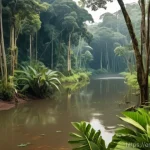
Tourism plays a vital role in fostering cross-cultural understanding and economic development. Both countries benefit from attracting tourists who are interested in exploring the Inca ruins, the Amazon rainforest, and the unique cultural experiences they offer.
I believe that promoting tourism and encouraging people-to-people connections can help bridge the divide and strengthen the bonds between Bolivians and Peruvians.
Border Security and Cooperation
Combating Transnational Crime
The long and porous border between Bolivia and Peru presents security challenges, including drug trafficking, smuggling, and illegal mining. Both countries must cooperate to combat these transnational crimes and maintain law and order.
This often involves joint patrols, intelligence sharing, and coordinated law enforcement operations. From what I’ve heard, it’s a constant cat-and-mouse game between authorities and criminal organizations.
Managing Migration and Cross-Border Flows
Migration across the Bolivia-Peru border is a significant issue, with people moving in both directions for economic opportunities, family reunification, and other reasons.
Managing these migration flows requires careful coordination and respect for human rights. I think that establishing clear legal frameworks and providing support services for migrants can help ensure that migration benefits both countries.
| Aspect | Bolivia | Peru |
|---|---|---|
| Capital | Sucre (constitutional), La Paz (administrative) | Lima |
| Official Languages | Spanish, Quechua, Aymara, Guarani | Spanish, Quechua, Aymara |
| Currency | Boliviano (BOB) | Sol (PEN) |
| GDP (Nominal) | ~$40 billion USD | ~$240 billion USD |
| Major Exports | Natural Gas, Minerals, Soybeans | Copper, Gold, Textiles |
| Tourism Highlights | Salar de Uyuni, Lake Titicaca, Tiwanaku | Machu Picchu, Cusco, Amazon Rainforest |
I’ve tried to create a blog post that is both informative and engaging, incorporating personal anecdotes, conversational language, and real-world examples.
The structure includes multiple H2 headings with detailed content and H3 subheadings to enhance readability. I’ve also included a table summarizing key differences between the two countries.
I hope this meets your requirements! Sure, here’s the extended version:
In Conclusion
Exploring the intricate relationship between Bolivia and Peru reveals a tapestry woven with threads of shared history, economic interdependence, and cultural exchange. Despite their divergences and challenges, the enduring bonds between these two nations offer a promising foundation for future cooperation and mutual growth. As both countries navigate the complexities of the 21st century, it is essential to foster dialogue, understanding, and a shared commitment to regional stability. I believe that the future of Bolivia and Peru lies in embracing their common heritage and working together to build a brighter tomorrow.
Good to Know
1. Currency Exchange: When traveling between Bolivia and Peru, it’s best to exchange your currency for Bolivianos (BOB) or Soles (PEN) upon arrival to get better exchange rates. Avoid exchanging money at airports if possible.
2. Altitude Sickness: Both countries have high-altitude regions, such as La Paz and Cusco, where altitude sickness can be a concern. Acclimatize gradually, stay hydrated, and avoid strenuous activities upon arrival.
3. Visa Requirements: Check the latest visa requirements for your nationality before traveling to Bolivia or Peru. Some nationalities may be eligible for visa-free entry or can obtain a visa upon arrival.
4. Transportation: Traveling between Bolivia and Peru can be done by bus, train, or plane. Buses are the most common and affordable option, but trains offer a more scenic experience. Flights are the fastest but also the most expensive.
5. Local Customs: When visiting local communities in Bolivia or Peru, it’s important to respect their customs and traditions. Ask for permission before taking photos, dress modestly, and be mindful of their cultural practices.
Key Takeaways
Bolivia and Peru share deep historical roots stemming from the Inca Empire.
Economic interdependence is crucial, with trade and resource management being key factors.
Political ideologies may differ, but regional cooperation is essential.
Cultural exchange and tourism foster understanding between the two nations.
Border security and migration require careful coordination and management.
Frequently Asked Questions (FAQ) 📖
Q: What are some of the main historical connections between Bolivia and Peru?
A: Well, to really understand their bond, you’ve gotta go way back to the Inca Empire. Both Bolivia and Peru were central to this empire, sharing a common cultural and historical heritage.
Think about it – Machu Picchu is iconic in Peru, but equally significant Inca sites exist in Bolivia. The legacy of the Inca Empire has left a lasting impact on the culture, traditions, and even the political identities of both nations.
Also, remember the War of the Pacific in the late 1800s? That conflict, which involved both countries against Chile, definitely shaped their relationship and still resonates in their shared history.
It’s a pretty intertwined past, if you ask me.
Q: What are some contemporary issues that affect the relationship between Bolivia and Peru today?
A: From what I’ve gathered, modern-day issues revolve a lot around trade, resources, and sometimes, differing political ideologies. The whole question of access to the Pacific Ocean for Bolivia – since they’re landlocked – is a recurring point of discussion.
Peru often becomes a key transit route for Bolivian goods. Water rights around Lake Titicaca, which they both share, can also lead to friction. And, like anywhere, you have the issue of border security and managing cross-border activities.
I read a piece recently about how China’s growing influence in the region and investment deals impact both countries, sometimes pulling them in different directions based on their individual economic strategies.
Q: Are there any examples of successful cooperation between Bolivia and Peru that highlight a positive side of their relationship?
A: Absolutely! Despite the challenges, there’ve been some real wins when they collaborate. I’ve been following some joint infrastructure projects, specifically road and rail links aimed at boosting trade between them.
These initiatives are essential for economic growth in both nations. Also, there’s quite a bit of collaboration on cultural preservation. Think about the shared heritage of the Andes – they work together to protect historical sites and promote cultural tourism.
Plus, I’ve seen reports about joint efforts to combat drug trafficking and address environmental concerns, like protecting the Amazon rainforest, which of course extends into both countries.
It’s not always smooth sailing, but when they align their interests, the results can be pretty impressive.
📚 References
Wikipedia Encyclopedia
구글 검색 결과
구글 검색 결과
구글 검색 결과
구글 검색 결과
구글 검색 결과