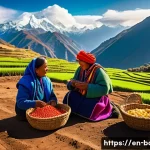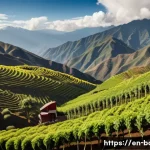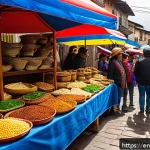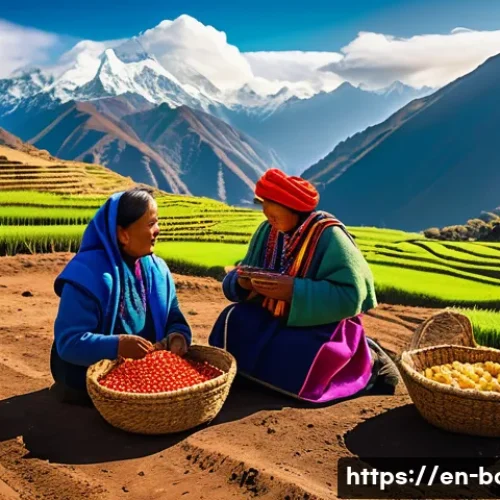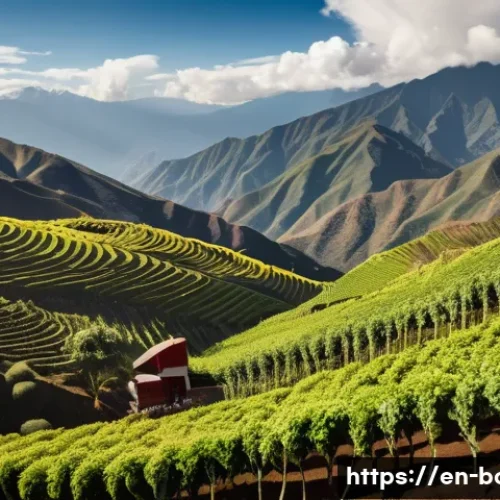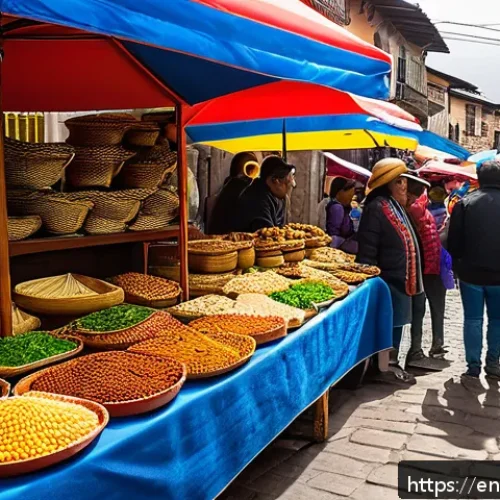
So, you’re thinking about launching a business in Bolivia? That’s ambitious, and honestly, kind of exciting! From the bustling markets of La Paz to the resource-rich landscapes, Bolivia offers a unique blend of challenges and opportunities for entrepreneurs.
I’ve been digging around, and it seems like there’s a real push for innovation and foreign investment happening right now, making it a potentially lucrative market to explore.
Plus, the lower cost of living and labor could be a significant advantage. Let’s get down to brass tacks and find out exactly what it takes to make your Bolivian business dreams a reality.
Here’s the blog post content, formatted as requested:
Navigating the Regulatory Maze: Setting Up Shop Legally

Bolivia, like any country, has its own set of rules and regulations when it comes to starting a business. You can’t just waltz in and start selling empanadas without a permit!
One of the first things you’ll need to do is register your business with Fundempresa, the public registry of commerce. Think of it as Bolivia’s version of the Secretary of State.
This involves submitting all sorts of paperwork, from your company’s articles of incorporation to proof of address. It can be a bit of a headache, but it’s absolutely essential to operate legally.
I’ve heard stories of businesses getting shut down for failing to comply, so it’s not something you want to take lightly.
Understanding the Different Business Structures
Deciding on the right business structure is a critical early step. Will you be a sole proprietorship, a limited liability company (LLC), or a corporation?
Each has its own implications for taxes, liability, and administrative requirements. For example, if you’re a small business owner starting out, a sole proprietorship might seem like the easiest option, but it also means you’re personally liable for any debts or lawsuits against the business.
An LLC offers more protection, but it also involves more paperwork and compliance. It’s also crucial to choose a name that isn’t already taken. Imagine the frustration of printing hundreds of business cards only to find out someone else is using the same name!
Tackling the Tax System
Once you’re registered, you’ll need to get a tax identification number (NIT) from the Servicio de Impuestos Nacionales (SIN), Bolivia’s internal revenue service.
This is your key to paying taxes, issuing invoices, and generally staying on the right side of the taxman. The tax system in Bolivia can be a bit complex, with different taxes applying to different types of businesses.
There’s the IVA (Value Added Tax), the IUE (Corporate Income Tax), and the IT (Transaction Tax), just to name a few.
The Bureaucracy Factor: Patience is Key
Be prepared for bureaucracy. Bolivia is not known for its streamlined processes. Things can take time, and you’ll likely encounter red tape along the way.
Patience is absolutely essential. Don’t be surprised if you have to make multiple trips to government offices, fill out the same form several times, or wait weeks for a permit to be approved.
It’s all part of the experience. Having a local partner or consultant who knows the ropes can be a huge help in navigating the bureaucracy and getting things done more efficiently.
Banking and Finance: Setting Up Your Financial Foundation
Securing your finances is paramount. Opening a business bank account, understanding local financial practices, and accessing funding are key to your success.
Opening a Business Bank Account
Opening a business bank account in Bolivia can be a bit different than what you’re used to back home. You’ll need to provide documentation like your company’s registration papers, your NIT, and proof of address.
Some banks may also require you to have a minimum deposit. It’s a good idea to shop around and compare the fees and services offered by different banks.
Some banks may be more familiar with foreign businesses and offer services tailored to your needs.
Understanding Local Financial Practices
Understanding the local financial practices is essential for managing your business effectively. For example, cash is still widely used in Bolivia, so you’ll need to be prepared to handle cash transactions.
Credit cards are becoming more common, but they’re not as widely accepted as in other countries. You’ll also need to be aware of the exchange rate between the Boliviano (BOB) and your home currency.
The exchange rate can fluctuate, so it’s important to keep an eye on it and factor it into your pricing and budgeting.
Accessing Funding and Investment
Finding funding for your business can be a challenge, especially if you’re a foreign entrepreneur. Local banks may be hesitant to lend to foreign businesses, so you may need to explore alternative sources of funding.
There are some government programs that offer grants and loans to small businesses, but they can be competitive to get. Venture capital is still relatively new in Bolivia, but there are some investors who are interested in funding innovative startups.
Networking and building relationships with local investors can be a good way to find funding for your business.
Tapping into the Bolivian Market: Understanding Your Customer
Knowing your customer is essential in any market, but especially so in a place like Bolivia.
Market Research is Your Best Friend
Before you dive headfirst into the Bolivian market, take the time to do your research. What are the needs and preferences of your target customers? What are their purchasing habits?
What are their cultural values? Understanding these things will help you tailor your products and services to the local market and avoid costly mistakes.
There are several ways to conduct market research in Bolivia. You can hire a local research firm to conduct surveys and focus groups. You can also do your own research by talking to potential customers and observing their behavior.
Cultural Nuances and Consumer Behavior
Be aware of cultural nuances and consumer behavior. Bolivia is a country with a rich history and diverse culture. There are significant differences in culture between the different regions of the country, so it’s important to be sensitive to these differences.
For example, what works in La Paz may not work in Santa Cruz. Consumer behavior can also be influenced by cultural factors. For example, Bolivians tend to be more price-sensitive than consumers in other countries.
They also value personal relationships and trust.
Adapting Your Product or Service
You may need to adapt your product or service to meet the needs of the Bolivian market. What works well in your home country may not work in Bolivia. For example, you may need to change the packaging, the ingredients, or the marketing message.
You may also need to offer different payment options or customer service channels. Adapting your product or service to the local market will increase your chances of success.
Building Your Team: Hiring and Managing Local Talent
Your team can make or break your business, so it’s important to choose wisely.
Finding the Right People
Finding the right people to work for your business is crucial for success. You’ll need to find people who have the skills and experience you need, but also who are a good fit for your company culture.
There are several ways to find employees in Bolivia. You can advertise in local newspapers and online job boards. You can also use recruitment agencies or attend job fairs.
Navigating Labor Laws and Regulations
Be sure to understand the local labor laws and regulations. Bolivia has a relatively strict labor code that protects workers’ rights. You’ll need to be aware of things like minimum wage, overtime pay, vacation time, and severance pay.
You’ll also need to comply with regulations regarding social security and health insurance. Failing to comply with labor laws can result in fines and legal action.
Fostering a Positive Work Environment
Creating a positive work environment is essential for attracting and retaining talented employees. Bolivian workers value things like respect, fairness, and opportunity for advancement.
You’ll need to create a culture where employees feel valued, appreciated, and motivated. You should also provide opportunities for training and development so that employees can improve their skills and advance in their careers.
Marketing and Sales Strategies: Reaching Your Bolivian Audience

Getting the word out is essential for attracting customers and building your brand.
Understanding the Local Media Landscape
Familiarize yourself with the local media landscape. What are the most popular newspapers, radio stations, and TV channels? Which social media platforms are most widely used?
Understanding the local media landscape will help you choose the most effective channels for reaching your target audience.
Crafting Your Marketing Message
Develop a marketing message that resonates with Bolivian consumers. What are their values, aspirations, and concerns? How can you position your product or service as a solution to their needs?
You’ll need to tailor your message to the local market and avoid using clichés or stereotypes.
Leveraging Digital Marketing
Digital marketing is becoming increasingly important in Bolivia. More and more Bolivians are using the internet and social media to find information and make purchases.
You should consider using digital marketing techniques such as search engine optimization (SEO), social media marketing, and email marketing to reach your target audience.
Overcoming Challenges and Seizing Opportunities
Starting a business in Bolivia is not without its challenges, but it also offers unique opportunities.
Dealing with Bureaucracy and Corruption
Be prepared to deal with bureaucracy and corruption. As mentioned earlier, Bolivia is not known for its streamlined processes. Things can take time, and you may encounter red tape along the way.
Corruption is also a problem in some areas of the government and business sectors. You’ll need to be aware of these challenges and be prepared to deal with them.
Capitalizing on Emerging Trends
Identify and capitalize on emerging trends. Bolivia is a country with a growing economy and a young population. There are many opportunities for businesses that can identify and capitalize on emerging trends.
For example, there is a growing demand for eco-tourism, renewable energy, and sustainable agriculture.
Building Relationships and Networking
Building relationships and networking is essential for success in Bolivia. Bolivians value personal relationships and trust. You’ll need to build relationships with local business leaders, government officials, and community members.
Attending industry events, joining business associations, and volunteering in the community are all good ways to build relationships and network. Here is an example of a table showcasing potential business opportunities in Bolivia:
| Industry | Opportunity | Potential |
|---|---|---|
| Tourism | Eco-lodges and Adventure Tours | High due to biodiversity and growing interest in sustainable travel. |
| Agriculture | Organic farming and export of quinoa and other Andean grains | Significant, as demand for organic and healthy foods increases globally. |
| Technology | Mobile app development and IT solutions | Growing market, especially in urban areas. |
| Manufacturing | Textiles and crafts production for export | Strong cultural heritage, supports unique, handmade goods. |
Staying the Course: Long-Term Strategies for Success
Sustaining a business requires foresight and planning.
Adapting to Change
Bolivia is a dynamic country, and things can change quickly. You’ll need to be able to adapt to change and adjust your business strategy as needed. This could mean changing your product or service, your marketing message, or your distribution channels.
Investing in Your Community
Investing in your community is not only good for your business, but it’s also the right thing to do. You can support local charities, sponsor community events, or provide scholarships to local students.
Investing in your community will help you build goodwill and strengthen your brand.
Planning for the Future
Planning for the future is essential for long-term success. You’ll need to develop a long-term business plan that outlines your goals, strategies, and financial projections.
You should also have a contingency plan in place in case things don’t go as planned. Starting a business in Bolivia can be a challenging but rewarding experience.
By doing your research, understanding the local market, building a strong team, and adapting to change, you can increase your chances of success. So, pack your bags, brush up on your Spanish, and get ready for an adventure!
Starting a business in Bolivia? Buckle up, it’s an adventure! From navigating the regulatory maze to understanding the local market, there’s a lot to learn.
But with patience, perseverance, and a good dose of humor, you can build a successful business in this vibrant country. It’s a journey filled with challenges, but also incredible opportunities.
Wrapping Up
So, you’re ready to take the plunge and start a business in Bolivia? Awesome! It’s definitely not a walk in the park, but with the right mindset, a solid plan, and a willingness to learn, you can make it happen. Remember to embrace the local culture, build strong relationships, and never underestimate the power of a good empanada break. Good luck, and may your entrepreneurial dreams come true in Bolivia!
Remember, every successful business has its roots in resilience and adaptability. Embrace the unique challenges of Bolivia, and you’ll find that the rewards are well worth the effort. Now go out there and make your mark on the Bolivian business landscape!
Helpful Tips and Tricks
1. Learn Basic Spanish: Knowing even a little bit of Spanish can go a long way in building relationships and navigating daily life. Consider taking a language course or using a language learning app.
2. Embrace the Culture: Bolivian culture is rich and diverse. Take the time to learn about local customs, traditions, and etiquette. This will help you build trust and rapport with your employees and customers.
3. Network, Network, Network: Attend local business events, join industry associations, and connect with other entrepreneurs. Building a strong network can open doors and provide valuable support.
4. Consider a Local Partner: Partnering with a local entrepreneur can provide you with valuable insights, connections, and expertise. They can help you navigate the local market and avoid costly mistakes.
5. Stay Patient: Things often take longer than expected in Bolivia. Be patient, persistent, and don’t get discouraged by delays or setbacks.
Key Takeaways
* Legal Compliance: Register with Fundempresa and get your NIT from SIN. * Financial Savvy: Open a business bank account and understand local financial practices.
* Market Knowledge: Research your target market and adapt your product or service accordingly. * Team Building: Hire local talent and foster a positive work environment.
* Marketing Strategy: Leverage digital marketing and craft a culturally relevant message.
Frequently Asked Questions (FAQ) 📖
Q: Okay, so I’m sold. Bolivia, here I come! But what are the first, absolutely must-do things I need to tackle before I even think about opening shop?
A: First things first, forget about winging it. You absolutely need to dive deep into the Bolivian legal and regulatory landscape. I’m talking about understanding their company registration process inside and out – what forms, permits, and licenses you need.
It’s probably a bureaucratic maze, so consider hiring a local legal expert. I made the mistake of trying to DIY a similar process in Ecuador once, and let me tell you, it ended up costing me way more in the long run.
Second, figure out your funding. Are you bootstrapping, seeking investors, or exploring local bank loans? Bolivian financial institutions might have different requirements than what you’re used to, so do your homework.
Third, and this is HUGE, you need a solid business plan, tailored specifically to the Bolivian market. Don’t just dust off your old plan from the US or Europe.
Conduct thorough market research to identify your target audience, assess the competition, and understand local consumer preferences. Trust me; a poorly researched plan is a recipe for disaster.
Q: I’ve heard networking is crucial everywhere, but especially in places like Bolivia. How do I even begin to build those essential connections?
A: You hit the nail on the head. Networking isn’t just important; it’s often the lifeline of your business in Bolivia. Start by attending industry events and trade shows, even if they seem small-scale.
These are goldmines for meeting potential partners, suppliers, and even customers. I personally found that joining local business associations, even if they’re for expats, can be incredibly beneficial.
They often host events where you can mingle and build relationships. Also, don’t underestimate the power of social media. LinkedIn can be surprisingly effective for connecting with professionals in Bolivia.
Finally, and this is key, be patient and respectful. Building trust takes time, especially in cultures where personal relationships are highly valued.
Think of it as planting seeds; you need to nurture them before you can reap the harvest.
Q: What are some of the biggest potential pitfalls that I should try to avoid when doing business in Bolivia? What tripped up other people before me?
A: Oh, where do I even start? One of the biggest challenges is navigating the bureaucracy. The system can be slow, opaque, and sometimes frustrating.
Be prepared for delays, paperwork, and unexpected hurdles. Having a local partner or consultant who understands the ins and outs of the system can be a lifesaver.
Another common pitfall is underestimating the importance of cultural differences. Things like communication styles, negotiation tactics, and even punctuality can vary significantly from what you’re used to.
Do your research, be respectful, and be willing to adapt. I remember a colleague who lost a deal because he was too direct and aggressive in his negotiations.
Finally, be aware of the political and economic instability. Bolivia has a history of political unrest and economic fluctuations, so it’s essential to stay informed and be prepared for potential disruptions.
Having a contingency plan in place can help you weather any storms that come your way.
📚 References
Wikipedia Encyclopedia