Hey there, fellow wanderlusters! If you’re anything like me, you’re always on the hunt for those truly untouched places, where every journey feels like a genuine discovery.
Bolivia, with its incredible blend of Amazonian rainforests, towering Andean peaks, and the surreal landscapes of the Salar de Uyuni, is precisely that kind of destination, a vibrant canvas for the eco-conscious traveler.
I’ve personally experienced the magic of connecting with local communities and witnessing the remarkable biodiversity that thrives here, and it’s clear that Bolivia is a leader in offering authentic, sustainable adventures.
It’s more than just a trip; it’s an opportunity to immerse yourself in responsible travel that genuinely supports conservation and local livelihoods. Let’s delve deeper into what makes ecotourism in Bolivia an absolute must-do for your next adventure.
Beyond the Salt Flats: Bolivia’s Hidden Ecotourism Gems
While the Salar de Uyuni is undoubtedly a breathtaking spectacle that everyone should experience at least once, Bolivia’s true ecotourism treasures often lie a little further off the well-trodden path. It’s in these less-explored corners that I’ve found the most profound connections with nature and culture. Imagine trekking through cloud forests where the air is thick with mist and the calls of exotic birds, or navigating winding rivers deep in the Amazon basin. It’s a completely different rhythm of travel, one that invites you to slow down and truly absorb your surroundings. I remember one particular moment, deep within a protected area, watching a family of capybaras graze peacefully by the river, completely unbothered by my presence. That feeling of witnessing wildlife undisturbed in its natural habitat is something you just don’t get in many places anymore. This is where Bolivia truly shines, offering unparalleled opportunities to engage with pristine environments.
Exploring the Amazonian Lowlands
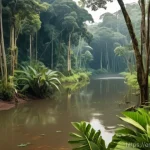
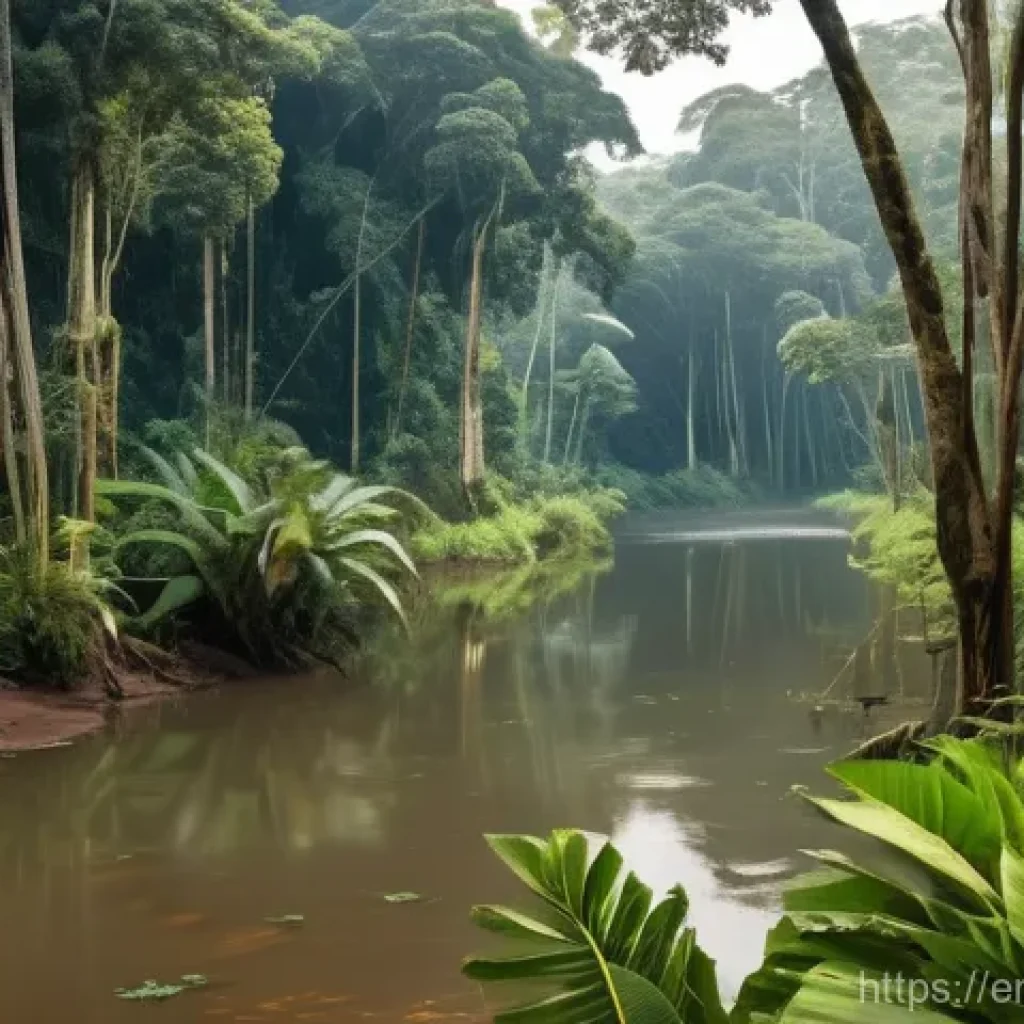
Diving into Bolivia’s Amazonian lowlands, far from the bustling cities, felt like stepping into another world entirely. The sheer density of life here is astounding, from vibrant macaws soaring overhead to elusive jaguars that roam the dense undergrowth. My personal experience navigating the tributaries of the Amazon, guided by local experts who knew every twist and turn of the river, was nothing short of transformative. We stayed in eco-lodges built with sustainable materials, blending seamlessly into the rainforest, where the nights were filled with a symphony of insects and amphibians. Waking up to the calls of howler monkeys became my new normal, and spending days spotting pink river dolphins or caimans felt like a privilege. It’s not just about seeing the wildlife; it’s about understanding the delicate balance of this incredible ecosystem and the critical role these communities play in its preservation. The guides, often from indigenous communities themselves, share stories and knowledge passed down through generations, making the experience incredibly rich and authentic.
Andean Highlands: A Different Kind of Wild
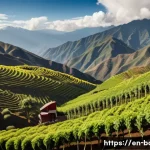
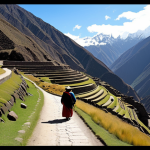
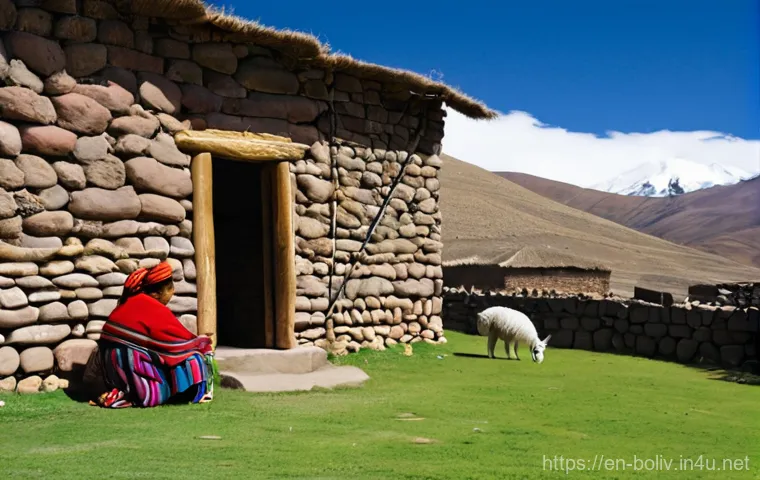
Then there’s the high-altitude ecotourism experience in the Bolivian Andes, a stark contrast to the humid Amazon but equally mesmerizing. I’ve always been drawn to mountains, and the sense of awe you get standing amidst peaks that touch the clouds is something else. Here, ecotourism often involves community-based treks, where you hike through ancient Inca trails and stay in small villages, experiencing Andean life firsthand. The landscapes are dramatic – think crystalline lakes reflecting snow-capped peaks, and vast expanses of puna grassland where llamas and alpacas roam freely. I distinctly remember a sunrise over Lake Titicaca, the air crisp and cold, watching local fishermen prepare their nets against a backdrop of golden light. It’s a powerful reminder of the resilience of both nature and the people who live in harmony with it. These are journeys that challenge you physically but reward you infinitely with cultural insights and breathtaking vistas, all while ensuring your visit directly supports the conservation efforts and economic well-being of the local people.
Connecting with Culture: Indigenous Communities at the Heart of Ecotourism
What truly sets Bolivian ecotourism apart, in my opinion, is its deep integration with indigenous cultures. It’s not just about seeing a beautiful landscape; it’s about understanding the people who have been its guardians for centuries. I’ve had the immense privilege of spending time with communities in the Beni region, learning about their traditional practices and their profound respect for the land. There’s a warmth and generosity that instantly makes you feel welcome, even when language barriers are present. My experiences have taught me that responsible travel here isn’t just about minimizing your footprint; it’s about actively engaging, listening, and learning. These interactions transform a simple vacation into a genuine cultural exchange, leaving you with memories far richer than any postcard could convey. It’s a reminder that authentic travel is about connection, not just consumption, and Bolivia offers that in spades.
Experiencing Aymara and Quechua Traditions
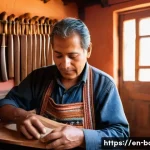
Engaging with the Aymara and Quechua peoples in the high Andes was an incredibly humbling experience for me. I’ve participated in traditional weaving workshops, learned about ancient agricultural techniques, and even shared a simple meal cooked over an open fire. These aren’t staged performances for tourists; these are genuine glimpses into daily life, offered with pride and a desire to share their heritage. The stories they tell, often passed down orally for generations, convey a deep spiritual connection to Pachamama (Mother Earth) that is both inspiring and thought-provoking. I felt a real sense of privilege being invited into their world, even for a short time. For instance, I recall helping a family harvest potatoes near Lake Titicaca, and the laughter and camaraderie transcended any linguistic differences. It’s these moments of shared humanity that truly define responsible tourism, fostering mutual respect and appreciation. Their insights into sustainable living, honed over millennia, are lessons we could all benefit from.
Sustainable Tourism Supporting Local Livelihoods
One of the most impactful aspects of ecotourism in Bolivia is its direct contribution to the economic stability of local communities. When you choose an eco-lodge owned and operated by indigenous groups, or hire local guides, your money directly benefits the people who need it most. I’ve seen firsthand how these initiatives provide alternative income sources, reducing the pressure on natural resources and encouraging conservation. For many communities, tourism offers a viable path to preserving their ancestral lands and traditions against external pressures. For example, some lodges use a portion of their profits to fund local schools or healthcare initiatives, creating a sustainable cycle of development. It feels incredibly good knowing that your travel dollars are not just funding a holiday but are actively empowering communities and protecting incredible biodiversity. This direct link between tourism and local well-being is something I always look for and deeply value in my travels.
Wildlife Wonders: Encountering Bolivia’s Biodiversity Responsibly
If you’re a wildlife enthusiast like me, Bolivia will absolutely blow your mind. It’s a country that boasts an incredible array of ecosystems, from the vast Amazon rainforest to the high-altitude Andean plains, and each one teems with unique species. What I love most about ecotourism here is the emphasis on ethical encounters. It’s not about chasing animals for a quick photo op; it’s about observing them respectfully in their natural habitats, often with expert local guides who can spot creatures you’d never see on your own. My personal experience in Madidi National Park was unforgettable – the sheer volume and diversity of life was astounding. Every rustle in the leaves, every splash in the water, held the promise of a new discovery. It’s a place that reminds you how truly wild our planet can still be, and how vital it is that we protect these last remaining strongholds of biodiversity.
Spotting Unique Species in Madidi National Park
My journey into Madidi National Park was a highlight of my Bolivian adventure. This place is consistently ranked as one of the most biodiverse places on Earth, and it absolutely lives up to the hype. I spent days trekking through the dense jungle with a knowledgeable local guide, who, with his incredible senses, would point out camouflaged creatures I would have completely missed. We saw spider monkeys swinging through the canopy, colorful macaws squawking overhead, and even spotted a tapir grazing in a clearing. The highlight for me was a patient wait by a riverbank that resulted in seeing a family of capybaras and a giant otter. The air buzzed with life, from the smallest iridescent beetles to the largest mammals. It’s an immersive experience where you feel truly connected to the wild heart of the planet, and knowing that my visit supported the park’s conservation efforts made it even more meaningful. It’s the kind of wildlife experience that sticks with you long after you’ve left.
Ethical Wildlife Encounters: What to Look For
When you’re seeking out wildlife, especially in a place as rich as Bolivia, it’s super important to prioritize ethical practices. I always make sure to choose tour operators who clearly state their commitment to animal welfare and conservation. This means avoiding places that promise guaranteed sightings through unnatural means, or where animals are kept in captivity for entertainment. Instead, look for tours that focus on observation from a distance, respecting the animals’ space and natural behaviors. A good indicator is when guides educate you on the local ecosystem and the importance of not disturbing the wildlife. I’ve found that the best experiences come from patient waiting and respectful viewing, rather than intrusive interactions. For instance, in the Amazon, our guides emphasized quiet observation, teaching us how to recognize animal calls without getting too close. It’s about letting the animals be wild, and accepting that sometimes, seeing nothing is still part of the authentic experience. Your presence should never add stress or harm to the animals.
Adventures with a Conscience: Thrills that Support Conservation
For those of us who crave a bit of adrenaline with our ethics, Bolivia offers an incredible array of adventurous activities that are also rooted in sustainability. It’s truly the best of both worlds – getting your heart pumping while knowing that your choices are actively contributing to the preservation of these magnificent landscapes and the well-being of local communities. I’ve always believed that adventure travel can and should be a force for good, and Bolivia absolutely embodies that philosophy. Whether you’re scaling a mountain peak, rafting down a wild river, or exploring ancient ruins, there’s an underlying commitment to responsible practices that makes every thrill feel more profound. It’s not just a fleeting moment of excitement; it’s an investment in the future of these incredible places. I’ve personally found that these types of adventures create a much deeper sense of accomplishment and connection than purely recreational pursuits.
Trekking and Hiking with a Purpose
Bolivia’s diverse terrain offers some of the most spectacular trekking and hiking opportunities I’ve ever encountered. From multi-day treks through the Cordillera Real to shorter, community-led hikes in the lowlands, there’s something for every fitness level. What makes it purposeful is that many of these trails pass through protected areas or indigenous territories, where your trekking fees often go directly towards conservation efforts or community development projects. I remember a challenging but incredibly rewarding trek near Sorata, where the panoramic views of glaciers and valleys were simply breathtaking. Our local guide shared stories of the mountains’ spiritual significance and pointed out medicinal plants. It felt like walking through a living classroom. These treks aren’t just about conquering a physical challenge; they’re about immersing yourself in the landscape, understanding its history, and directly supporting its future. The sense of achievement is doubled when you know your journey has a positive impact beyond your personal experience.
River Journeys and Canopy Walks
Beyond the trails, Bolivia’s rivers offer a different kind of adventure, particularly in the Amazonian basin. I’ve taken incredible canoe trips down calm tributaries, spotting wildlife on the banks, and feeling the immense peace of the rainforest. Some ecotourism initiatives also offer canopy walks, allowing you to experience the jungle from a unique aerial perspective. Imagine walking suspended high above the forest floor, eye-level with monkeys and vibrant birds – it’s an utterly exhilarating and humbling experience. These activities are designed to minimize disturbance to the environment, often using existing natural pathways or carefully constructed, low-impact structures. My own experience with a canopy walk was nothing short of magical; seeing the rainforest from that vantage point gave me a whole new appreciation for its complexity and grandeur. It’s an adventure that not only provides an adrenaline rush but also fosters a deep respect for the intricate web of life above our heads.
Planning Your Green Getaway: Practical Tips for Ecotravel in Bolivia
Alright, so you’re convinced that Bolivia is your next ecotourism destination – awesome! Now, let’s talk practicalities. Planning a responsible trip might seem a little more involved than a typical vacation, but trust me, it’s worth every extra step. The key is making conscious choices from the moment you start researching to the moment you return home. It’s not just about booking a flight; it’s about aligning your travel values with your actions. I’ve learned over the years that a little bit of foresight goes a long way in ensuring your trip is not only incredible for you but also beneficial for the places you visit. From how you choose your operators to what you pack, every decision you make can amplify the positive impact of your journey. Let’s make sure your adventure truly contributes to the greater good!
Choosing Responsible Tour Operators
This is arguably the most crucial step in planning an eco-conscious trip. Not all “eco” tours are created equal, and sadly, some might even be greenwashing. My advice? Do your homework! Look for operators with clear commitments to local employment, fair wages, conservation projects, and minimal environmental impact. Check if they have certifications from recognized ecotourism bodies, or if they are actively involved with local communities. Online reviews can also give you a good sense of their actual practices. I always try to find operators that are either locally owned or have strong partnerships with indigenous communities, ensuring that the economic benefits stay where they’re most needed. For example, my Amazon trip was with an operator who specifically trained and employed local villagers as guides and staff, and a portion of our fees went directly to their community fund. Ask questions, be inquisitive, and don’t be afraid to dig a little deeper – your choices truly make a difference!
Packing Smart and Minimizing Your Impact
When it comes to packing for an ecotourism adventure in Bolivia, less is definitely more, and conscious choices are key. Think reusable items: a water bottle (Bolivia has amazing tap water in many areas, but always check locally), a cloth shopping bag, and a travel mug. I always bring biodegradable toiletries to minimize chemical runoff in sensitive ecosystems. Also, consider the materials of your clothing – quick-drying, durable fabrics are practical. Leave plastic packaging behind whenever possible. Another big one: be mindful of your waste. Carry out what you carry in, and always dispose of trash properly. I make it a habit to bring a small, sealable bag for any non-compostable waste until I can find a proper receptacle. It sounds simple, but collectively, these small actions have a huge impact on preserving the pristine environments we travel so far to see. Every little bit truly helps to ensure these incredible places remain beautiful for future generations.
The Economic Ripple: How Your Trip Benefits Local Lives
It’s truly amazing to witness how your travel decisions can create a ripple effect of positive change in the communities you visit. In Bolivia, ecotourism isn’t just about admiring nature; it’s a powerful tool for economic development, empowering local people and providing sustainable alternatives to more destructive industries. I’ve spoken with many community members who have shared how tourism has transformed their lives, offering new opportunities and a renewed sense of pride in their cultural heritage and natural resources. When you choose to support genuine ecotourism initiatives, you’re not just buying a service; you’re investing in people and their future. It’s a win-win situation where your memorable experiences directly contribute to a better quality of life for those who call these incredible places home. That feeling of knowing your adventure has a tangible, positive impact is one of the most rewarding aspects of responsible travel for me.
Direct Support for Local Economies
One of the clearest ways ecotourism benefits Bolivia is through direct economic injection into local communities. When I booked my stay at an eco-lodge that was community-owned, or bought handicrafts directly from artisans, I saw exactly where my money was going. It wasn’t filtering through layers of international corporations; it was directly supporting families, funding education, and improving local infrastructure. This kind of grassroots economic support is incredibly powerful. For instance, I visited a small village near Samaipata where women had formed a cooperative to produce organic coffee and honey. My purchase wasn’t just a souvenir; it was a contribution to their livelihood and their ability to stay on their ancestral lands. It also incentivizes communities to protect their natural surroundings, as a healthy ecosystem is directly linked to their tourism income. It’s a tangible way to make a difference, far beyond just admiring the scenery.
Empowering Communities Through Tourism
Beyond just financial support, ecotourism plays a significant role in empowering indigenous and rural communities. By developing and managing their own tourism projects, these communities gain control over their resources and narratives. They become the experts, the guides, the hosts, showcasing their culture and environment on their own terms. I’ve observed a palpable sense of pride and ownership among community members who are actively involved in ecotourism. It gives them a voice and a platform to share their traditions and knowledge with the world, reinforcing their cultural identity. This empowerment extends to women and youth, who often find new roles and leadership opportunities within these projects. It fosters self-reliance and strengthens social cohesion. It’s truly inspiring to see how a well-managed ecotourism venture can not only preserve a natural area but also uplift and strengthen the human communities that depend on it. It’s a holistic approach that I deeply admire and seek to support.
Leaving a Lighter Footprint: Sustainable Practices in Action
As much as we want to explore and experience the world, we also have a responsibility to leave it as we found it, or ideally, even better. This is where sustainable practices truly come into play, and Bolivia’s ecotourism sector is really making strides in this area. It’s not just about grand gestures, but about the accumulation of small, thoughtful actions that collectively create a significant positive impact. From how lodges manage their waste to how guides educate visitors, every detail contributes to preserving the delicate balance of these incredible ecosystems. I’ve personally learned so much about reducing my own environmental impact by observing the practices in place at various eco-lodges and community projects. It makes you think differently about your consumption habits not just when you travel, but also in your daily life. It’s a wonderful example of how travel can be a catalyst for positive change on a personal level as well.
Waste Reduction and Conservation Efforts
Effective waste management and robust conservation efforts are the backbone of any true ecotourism destination, and Bolivia is certainly stepping up. I’ve been impressed by how many eco-lodges have implemented composting systems, rainwater harvesting, and solar energy to minimize their footprint. It’s inspiring to see practical solutions in action. I remember one lodge in the Amazon where all organic waste was composted and non-organic waste was carefully sorted and transported out of the protected area – no small feat in such remote locations! Beyond waste, many ecotourism projects are directly involved in reforestation, wildlife monitoring, and habitat restoration. They actively work to protect endangered species and their environments, often funded by the tourism revenue they generate. Your visit literally helps to keep these crucial conservation programs running, proving that responsible travel is a powerful ally for ecological preservation.
Respecting Local Ecosystems and Traditions
Beyond the tangible actions, a crucial aspect of sustainable tourism is cultivating a deep respect for both the local ecosystems and the indigenous traditions that are intrinsically linked to them. It’s about understanding that we are guests in these environments and cultures. This means being mindful of noise levels, staying on designated trails, and never, ever disturbing wildlife or collecting natural souvenirs. It also means approaching cultural interactions with an open mind and a respectful attitude, learning about local customs, and asking for permission before taking photographs. I’ve always found that a genuine smile and a few words in the local language go a long way in fostering positive interactions. My advice? Listen more than you speak, observe more than you act, and always remember that you’re experiencing a way of life that has existed for centuries. This respect for both nature and culture ensures your presence is a positive one, leaving behind only good memories and a light footprint.
| Ecotourism Region | Key Attractions/Activities | Best Time to Visit | Typical Wildlife Encounters |
|---|---|---|---|
| Madidi National Park (Amazon) | Jungle treks, river excursions, wildlife spotting, canopy walks, indigenous community visits. | Dry season (May-October) for easier travel and more wildlife activity. | Monkeys, macaws, capybaras, caimans, tapirs, jaguars (rare). |
| Lake Titicaca & Andes | Island hopping (Isla del Sol), traditional weaving, community stays, high-altitude trekking. | Dry season (May-October) for clearer skies and pleasant trekking. | Llamas, alpacas, vicuñas, Andean birds. |
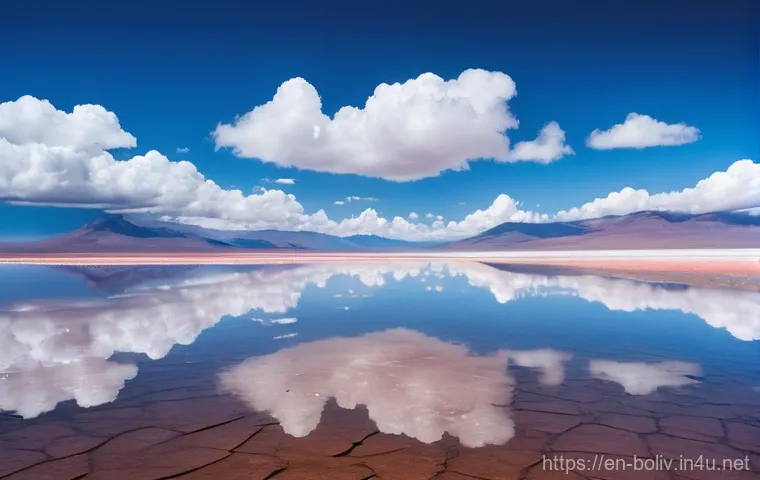
| Salar de Uyuni (Andes) | Salt flat tours, colored lagoons, flamingos, high-altitude desert landscapes, geysers. | Dry season (May-October) for solid salt flats, rainy season (Dec-Apr) for mirror effect. | Flamingos, vicuñas, foxes, various birds. |
| Noel Kempff Mercado National Park (Amazon) | Waterfall excursions, diverse rainforest exploration, birdwatching. | Dry season (May-October). | Monkeys, diverse bird species, jaguars (rare), giant otters. |
글을 마치며
And there you have it, fellow adventurers! Bolivia truly is a gem, offering an unparalleled blend of raw natural beauty, vibrant cultural immersion, and thrilling, conscious travel. It’s more than just a destination; it’s an experience that challenges you to connect deeper with the planet and its people. From the otherworldly salt flats to the teeming Amazon rainforest and the majestic Andes, every corner holds a new discovery. What I love most is how your journey here directly contributes to the well-being of local communities and the vital conservation of these incredible ecosystems. So, if you’re looking to redefine your idea of adventure, make a real difference with your travel dollars, and create memories that resonate long after you’ve returned home, Bolivia is waiting. It’s a place that will capture your heart and leave you with a profound appreciation for our wild world. I’m already dreaming of my next return!
알아두면 쓸모 있는 정보
1. Timing Your Trip: While the dry season (May to October) is generally best for hiking, clear skies, and accessing remote areas, don’t rule out the rainy season (December to March) if seeing the Salar de Uyuni’s magical mirror effect is your top priority. Each season offers unique beauty, so choose based on your main interests!
2. Cash is King: The Bolivian Boliviano (BOB) is the official currency, and cash transactions make up over 80% of purchases, especially in rural areas and for smaller vendors. While major cities accept credit cards and US dollars are often welcome for larger tour payments (bring new, crisp bills!), always have plenty of BOB in small denominations. Inform your bank of your travel plans to avoid card issues.
3. Health & High Altitudes: Many popular destinations in Bolivia, like La Paz and Salar de Uyuni, are at high altitudes, so take precautions against altitude sickness by acclimatizing slowly, staying hydrated, and avoiding alcohol. Consult your doctor about recommended vaccinations (Hepatitis A, Typhoid, Yellow Fever are common) and discuss malaria or Zika prevention if traveling to lower, humid regions. Comprehensive travel insurance is a non-negotiable!
4. Cultural Courtesy: Bolivians are known for their warmth, and a polite “Buenos días” or “gracias” goes a long way. A handshake is the standard greeting, and maintaining direct eye contact shows respect. Dress modestly, particularly in religious sites and indigenous communities. Be mindful that personal space can be closer than you’re used to, and avoid discussing sensitive political or economic topics unless invited by locals.
5. Maximize Your Impact: To ensure your visit truly contributes, prioritize responsible tour operators and community-run lodges that employ locals and support conservation. Reduce your footprint by packing reusable items (water bottles, shopping bags) and properly managing your waste. Respect wildlife by observing from a distance, and never engage in activities that exploit animals or local people, like illegal prison tours.
중요 사항 정리
Ultimately, ecotourism in Bolivia offers a profoundly rewarding experience for those ready to travel with an open heart and a conscious mind. The essence lies in making informed choices—from selecting operators deeply committed to sustainability and community empowerment, to embracing local cultures with genuine respect. Your preparation, engagement, and mindful actions will not only enrich your own adventure but will also create a powerful, positive ripple effect, helping to preserve Bolivia’s breathtaking landscapes and uplift its incredible people for generations to come. It’s about leaving a legacy of stewardship, not just a footprint. This country truly provides a unique chance to have an adventure that means something, proving that responsible travel is the most fulfilling kind of exploration.
Frequently Asked Questions (FAQ) 📖
Q: What kind of unique ecotourism experiences can I expect in Bolivia that I might not find elsewhere?
A: Oh, this is such a fantastic question, and honestly, it’s why Bolivia completely stole my heart! When I first ventured into its wild corners, I was just blown away by the sheer diversity that makes it so uniquely special.
You know how some places just feel different? That’s Bolivia for you. Imagine trekking through the Amazonian rainforests, truly off the beaten path, where you’re not just seeing wildlife from a distance, but learning directly from Indigenous communities about the incredible medicinal plants and forest secrets they’ve guarded for generations.
It’s not a zoo; it’s real life, and I’ve personally found those cultural exchanges to be the most profound. Then there’s the surreal, almost otherworldly landscape of the Salar de Uyuni – driving across that vast salt flat at sunrise or sunset?
It’s an experience that defies description, where the sky merges with the ground in a way I’ve never witnessed anywhere else. You’ll see those iconic flamingos, too, in their natural habitat, and it’s a constant reminder of how delicate and magnificent our planet is.
And of course, the towering Andes! From high-altitude treks that challenge your spirit (in the best way possible!) to visiting charming, remote villages where ancient traditions are still very much alive, Bolivia offers a raw, unfiltered connection to nature and culture that I genuinely believe is hard to replicate.
It’s truly about immersing yourself, not just observing, and that’s what makes it unforgettable.
Q: How can I be sure my ecotourism efforts truly benefit local communities and conservation in Bolivia?
A: This is absolutely critical, and it’s a question I always ask myself when planning any trip. It’s so easy to think you’re traveling responsibly, but ensuring your impact is genuinely positive requires a bit of thoughtful planning, trust me, I’ve learned a few things along the way!
My golden rule for Bolivia, and honestly anywhere I go, is to prioritize small, locally-owned operators. These are the guides, the lodges, the tour companies that are deeply invested in their communities and the environment.
I always look for certifications or affiliations with recognized ecotourism or conservation organizations, but even without a formal badge, a quick search for reviews and testimonials often reveals a lot about their commitment.
A great tip I’ve picked up is to ask directly about their community engagement – do they employ local staff, source food locally, or contribute a portion of their profits to conservation projects?
When I visited the Madidi National Park, for example, choosing a lodge run by the Indigenous community meant every dollar I spent directly supported their livelihoods and their ongoing efforts to protect the forest.
It feels so much more meaningful! Also, don’t underestimate the power of simply being a respectful traveler: ask permission before taking photos, learn a few basic Spanish or local phrases, and be open to learning about their customs.
Your respectful engagement, combined with choosing the right partners, makes a world of difference.
Q: What’s the best way to plan a sustainable and authentic ecotourism trip to Bolivia, especially for a first-timer?
A: For anyone diving into Bolivian ecotourism for the first time, it can feel a little daunting with so many incredible options, but trust me, it’s absolutely worth the effort!
My biggest piece of advice is to start with a clear idea of what you want to experience – are you dreaming of the Amazon, the Andes, or the salt flats?
Once you have a general direction, I’ve found that focusing on reputable, specialized ecotourism agencies (often smaller ones!) is key. They often have deep connections with local communities and a solid understanding of sustainable practices, which is crucial for an authentic experience.
Don’t be afraid to reach out and ask them detailed questions about their itineraries and how they ensure responsible tourism. I’ve personally found that pre-booking certain tours or lodges, especially those in more remote areas or community-run initiatives, not only guarantees your spot but also helps those local businesses plan and manage their resources more sustainably.
Flexibility is also your friend in Bolivia; while planning is great, leaving a little room for spontaneous discoveries can lead to some of the most memorable moments.
And here’s a pro-tip from my own travels: pack light, bring a reusable water bottle, and choose eco-friendly toiletries! Every little bit helps. It’s about being prepared, being respectful, and being open to the incredible journey that awaits you.