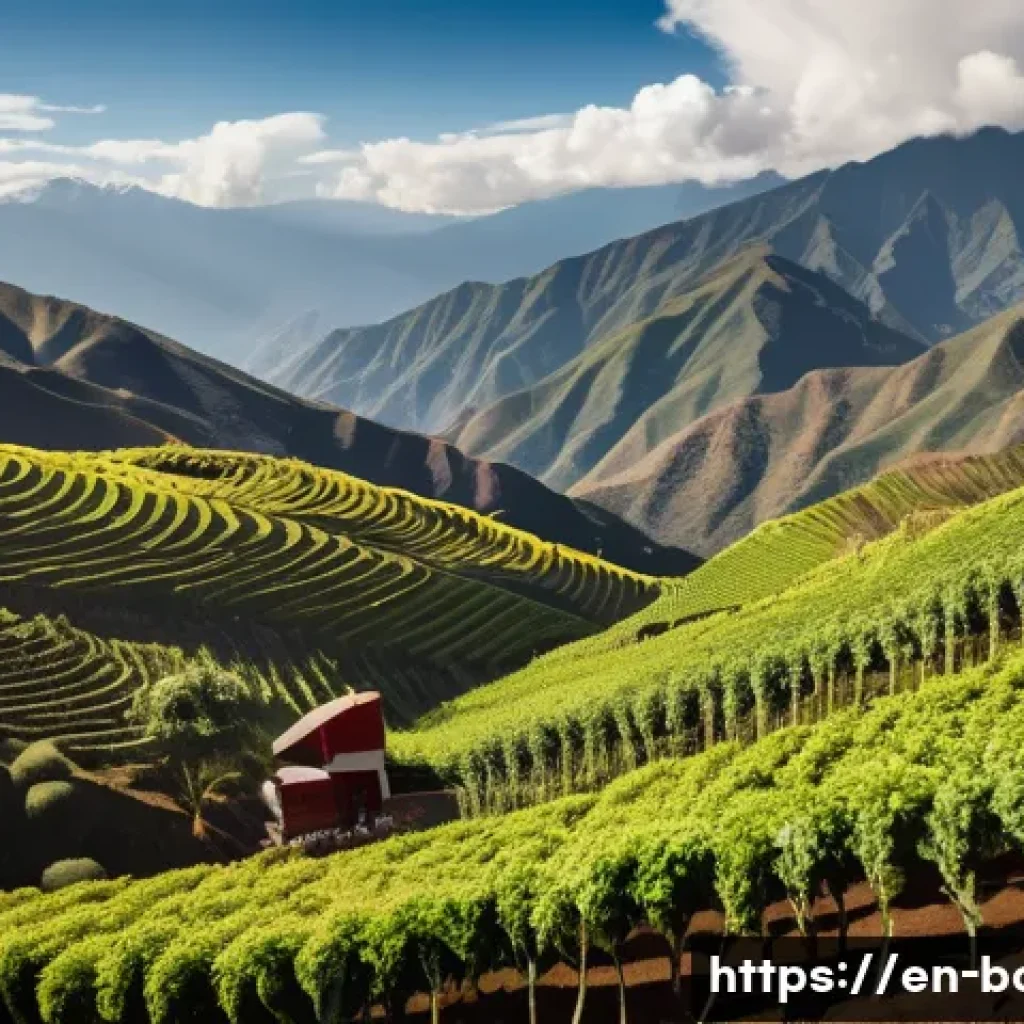
Hello, coffee lovers! If you’ve been following my adventures, you know I’m always on the hunt for the next great cup, and lately, my journey has taken me to the captivating landscapes of Bolivia.
You might think of other South American giants when it comes to coffee, but trust me, Bolivia is a hidden gem with a rapidly evolving coffee scene that’s just begging to be explored.
From the high-altitude farms nestled in the Andes to the bustling cafes in La Paz, there’s a unique story brewing, one that blends rich traditions with exciting new trends and a focus on sustainable, specialty beans.
I’ve personally been so impressed by the dedication of the local producers and the vibrant energy of their coffee culture, especially as they navigate global shifts and strive for international recognition.
Get ready, because what I’ve discovered about Bolivian coffee is truly fascinating, and it’s something every true coffee enthusiast needs to know. Let’s uncover the full story and some incredible insights together.
Discovering Bolivia’s Coffee Terroir: A Journey Through Altitude and Flavor
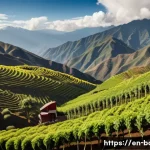
Stepping onto a coffee farm in Bolivia feels like entering a different world. My recent trip took me high into the Andes, where the air is thin, and the landscape is breathtakingly rugged, yet incredibly fertile. This unique environment is precisely what gives Bolivian coffee its distinct character. The microclimates here, with significant diurnal temperature shifts—warm days followed by cool nights—slow down the cherry maturation process. This extended growth allows the coffee beans to develop complex sugars and a more intricate flavor profile, something I’ve personally tasted in every exquisite cup. You might imagine vast, flat plantations, but the reality is a patchwork of small, family-owned farms clinging to steep hillsides, often at elevations exceeding 1,700 meters (5,500 feet) above sea level. This isn’t just a picturesque scene; it’s a critical component of what makes their coffee so special. The rich, organic soil, often untouched by harsh chemicals, combined with these high altitudes, creates conditions where coffee can truly thrive, naturally imbuing the beans with exceptional acidity and aromatic qualities that simply can’t be replicated elsewhere. It’s a labor of love, truly, and you can taste that dedication in every single bean.
The Allure of the Altiplano: Unique Growing Conditions
When I think of Bolivian coffee, my mind immediately goes to the Altiplano’s fringes and the lush Yungas valleys, where most of the magic happens. The specific combination of high elevation, consistent rainfall, and mineral-rich volcanic soil found in regions like Caranavi, Yungas, and Santa Cruz is just phenomenal. I remember one farmer, a wonderful woman named Doña Elena, explaining to me how the cool mountain air helps prevent pests naturally, reducing the need for pesticides. This commitment to working with nature, rather than against it, is a recurring theme you’ll find among Bolivian producers. The unique geographical features, including deep valleys and steep slopes, mean that much of the cultivation and harvesting is done by hand, a testament to the sheer effort and meticulous care that goes into each bean. It’s not an easy life, but the pride in their harvest is palpable, and I’ve rarely seen such a deep connection between land and livelihood. This hands-on approach directly translates to the quality in your cup, ensuring only the finest cherries are selected for processing.
From Farm to Cup: Tracing the Flavors
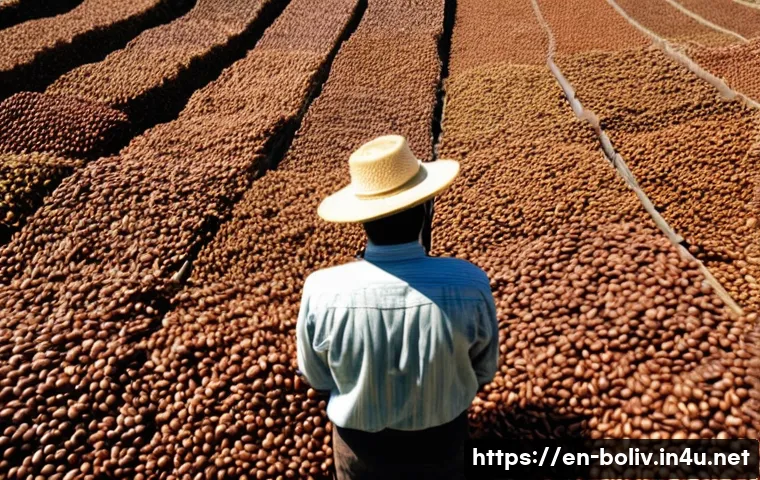
Tracing the journey of a Bolivian coffee bean from the farm to my cup has been one of the most enlightening experiences of my coffee explorations. What strikes me is the incredible care taken at every step. After the hand-picking, many farms practice meticulous wet processing, where the coffee cherries are depulped, fermented, and then carefully washed before being sun-dried on raised beds. This method, while labor-intensive, is crucial for developing the clean, bright, and nuanced flavors that Bolivian specialty coffees are celebrated for. I’ve seen countless bags of coffee drying under the intense Andean sun, each bean absorbing the unique energy of this land. The commitment to quality control, even at the smallest farms, is something that truly sets them apart. I remember one producer showing me his drying beds, meticulously raking the beans to ensure even drying, explaining how this prevents over-fermentation and maintains clarity of flavor. This attention to detail is precisely why I believe Bolivian coffee offers such a consistently high-quality experience, from the first aroma to the last sip.
The Heartbeat of Bolivian Coffee: Dedicated Producers and Sustainable Practices
Behind every exceptional cup of Bolivian coffee is a story of incredible resilience and unwavering dedication from its producers. These are not just farmers; they are custodians of a tradition, often working against challenging economic and environmental odds to bring their beans to the world. What has truly resonated with me on my visits is their profound commitment to sustainability, not just as a buzzword, but as a deeply ingrained way of life. Many of these farms are small, family-run operations, passed down through generations, where every decision is made with an eye toward preserving the land for future use. I’ve witnessed firsthand their efforts to implement agroforestry practices, planting shade trees that protect the coffee plants, enrich the soil, and provide habitats for local wildlife. This holistic approach not only benefits the ecosystem but also contributes to the complex flavor profiles of their coffee. It’s truly inspiring to see how they integrate traditional knowledge with modern sustainable techniques, creating a product that is both delicious and ethically sound. This commitment isn’t just about good farming; it’s about building a better future, one coffee cherry at a time.
Empowering Smallholders: The Backbone of the Industry
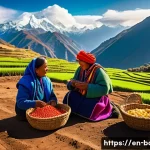
The vast majority of coffee production in Bolivia comes from smallholder farmers, often indigenous communities who rely entirely on coffee cultivation for their livelihoods. My encounters with these farmers have been incredibly moving. I remember meeting a group of women farmers in a remote village, sharing stories about how they’ve organized themselves into cooperatives to gain better access to markets and fair prices. These cooperatives are absolutely vital, providing training, technical assistance, and a collective voice that individual farmers often lack. It’s a powerful model of community empowerment, and I’ve seen how it directly improves their quality of life, allowing them to invest in their farms, educate their children, and build stronger communities. This isn’t just about selling coffee; it’s about social justice and economic upliftment. When you buy Bolivian coffee, you’re not just getting a fantastic product; you’re directly supporting these dedicated individuals and their families, fostering a cycle of positive change that resonates far beyond the coffee bean itself. Their passion and grit are undeniable.
Beyond Fair Trade: A Commitment to the Environment
While certifications like “Fair Trade” are important, many Bolivian producers go above and beyond, integrating practices that embody a truly deep commitment to environmental stewardship. I’ve spent time on farms where organic principles are a given, not just a label. They use natural fertilizers, practice water conservation, and prioritize biodiversity, understanding that a healthy ecosystem is essential for healthy coffee. One farmer, a proud Aymara man, showed me how he uses fallen leaves and coffee pulp to create nutrient-rich compost, explaining that it’s about giving back to the earth what it gives to them. This philosophy of reciprocity and respect for nature is deeply embedded in their culture. It’s more than just sustainable; it’s regenerative, aiming to improve the health of the land with each growing season. This commitment ensures that the coffee you’re drinking is not only delicious but also produced in a way that truly cares for our planet. I can tell you, this personal experience deepened my appreciation for every single cup.
Navigating Global Challenges: Bolivia’s Rise in the Specialty Coffee World
Bolivia’s coffee journey has been anything but smooth, marked by significant challenges that have tested the resolve of its producers. For decades, the country’s coffee sector struggled with underinvestment, lack of infrastructure, and competition from other crops, notably coca. Yet, despite these formidable obstacles, Bolivian coffee has been steadily carving out a respected niche in the global specialty market, a testament to the sheer determination and unwavering commitment of its farming communities. I’ve personally witnessed the immense effort put into overcoming these hurdles, from implementing advanced processing techniques to engaging directly with international buyers. It’s a story of transformation, where traditional farming practices are merging with modern innovations, all aimed at producing a coffee that can stand proudly on the world stage. The road has been long and arduous, but the results are undeniably worth it, as more and more coffee enthusiasts discover the unique charm and exceptional quality of Bolivian beans. This rise is not just about coffee; it’s about a nation finding its voice in a highly competitive global arena, showcasing its agricultural prowess and cultural richness.
Overcoming Obstacles: From Coca to Coffee
One of the most profound shifts in Bolivia’s agricultural landscape has been the transition from coca cultivation, traditionally grown for religious and cultural purposes but also tied to illicit drug production, to legitimate coffee farming. This transition has been challenging, requiring significant investment, training, and support for farmers. I spoke with several farmers who courageously made this switch, driven by a desire for a more stable and legal income, and a belief in the potential of specialty coffee. Government initiatives and international aid organizations have played a crucial role in providing resources, but ultimately, it’s the farmers’ own willpower and adaptability that have made this transformation possible. This shift isn’t just economic; it’s also deeply social, offering communities a path toward greater prosperity and stability. It’s a powerful narrative of positive change, and it makes every sip of Bolivian coffee feel even more meaningful, knowing the journey it represents. It’s a real testament to human resilience.
Gaining International Recognition: Awards and Acclaim
The hard work and dedication of Bolivian coffee producers are finally paying off, as their beans gain increasing recognition and accolades on the international stage. I’ve seen their coffees consistently winning awards at prestigious competitions, drawing attention from roasters and connoisseurs worldwide. This external validation is incredibly important, not only for boosting morale among the farming communities but also for opening up new markets and commanding better prices for their exceptional product. It’s a virtuous cycle: recognition leads to higher demand, which in turn encourages more investment in quality and sustainable practices. I remember seeing a display of award-winning Bolivian coffees at a specialty coffee expo, and the pride radiating from the Bolivian delegation was palpable. This growing acclaim is not just about individual farms; it’s about putting Bolivia firmly on the map as a serious player in the world of specialty coffee, a destination for those seeking unique and high-quality beans. This momentum is truly exciting to witness.
Brewing Culture: The Vibrant Cafe Scene in La Paz and Beyond
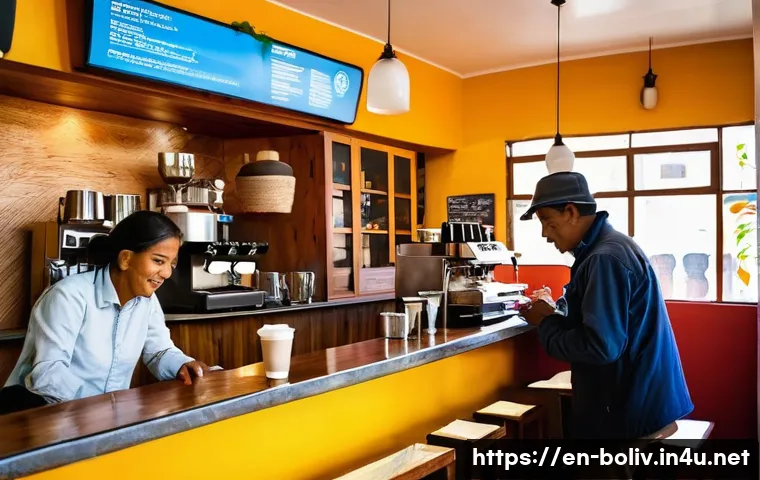
While the farms are where the magic begins, the bustling cafe scene in Bolivia is where the story truly comes alive for me. Stepping into a coffee shop in La Paz or Santa Cruz, you’re not just getting a cup of coffee; you’re immersing yourself in a vibrant cultural experience. The aroma of freshly ground beans, the lively chatter of patrons, and the comfortable, inviting atmosphere make these places true social hubs. I’ve spent countless hours in various cafes across Bolivia, observing, writing, and simply enjoying the local rhythm. It’s a beautiful blend of traditional Bolivian warmth and a modern appreciation for quality brewing. What I love most is how these cafes serve as a bridge between the producers and the consumers, often showcasing direct-trade relationships and highlighting the origins of their beans. It’s a place where you can truly connect with the narrative of Bolivian coffee, directly from the source to your table. The energy is infectious, and it’s a clear sign of a burgeoning coffee culture that’s sophisticated yet authentically Bolivian. You really feel the pulse of the city in these places.
More Than Just a Drink: Coffee as a Social Hub
In Bolivia, coffee shops are more than just places to grab a quick caffeine fix; they are integral parts of the social fabric. They’re where friends gather to catch up, students study, and business deals are made. I’ve noticed a strong sense of community in these establishments. Unlike some overly fast-paced coffee cultures, there’s an encouragement to linger, to savor your drink, and to engage in conversation. This focus on connection and experience really elevates the simple act of drinking coffee. It’s not uncommon to see multiple generations sharing a table, enjoying traditional pastries alongside their espresso. This communal aspect is something I deeply appreciate, and it speaks volumes about Bolivian hospitality and their approach to life. It’s a place where memories are made, and stories are shared, all over a perfectly brewed cup. It’s a reminder that coffee can be so much more than just a beverage; it can be a catalyst for human connection and a cornerstone of daily life. This is the heart of their culture, and it’s beautiful.
My Favorite Spots: A Local’s Guide to Bolivian Cafes
If you ever find yourself in Bolivia, you absolutely *must* explore the local cafe scene. I’ve stumbled upon so many hidden gems! In La Paz, a favorite of mine is “Typica Café,” which consistently serves up incredible single-origin Bolivian brews with a passionate explanation of their origins. Another spot, “Alexander Coffee,” is a local chain that’s perfect for a reliable, well-made coffee and a comfortable atmosphere to work or relax. Outside the capital, in places like Santa Cruz, the cafe culture has a slightly different, perhaps more relaxed vibe, but the dedication to quality remains. I recommend looking for smaller, independent roasters who often have tiny cafes attached, offering the freshest possible cup. Don’t be afraid to ask the baristas for recommendations; they’re often incredibly knowledgeable and passionate about their craft. And definitely try a “Café con Leche” with some local baked goods – it’s an experience you won’t forget! My personal tip: always try a pour-over if they offer it, as it truly highlights the nuanced flavors of Bolivian beans. You’ll be glad you did.
The Taste of Bolivia: Exploring Unique Varietals and Processing Methods
Delving into the taste profiles of Bolivian coffee is like embarking on a fascinating sensory adventure. What really captivates me is the incredible diversity you find, even within a relatively small producing nation. This isn’t just about ‘coffee’ generally; it’s about specific varietals reacting to unique microclimates and being expertly processed to coax out their finest characteristics. From the bright, floral notes of a Caturra grown at extreme altitudes to the richer, fruitier tones of a natural-processed Typica, there’s a spectrum of flavors waiting to be discovered. I’ve spent hours cupping different Bolivian beans, and each session reveals something new and exciting. It’s a testament to the farmers’ skill and the richness of their land. This journey of taste is what keeps me coming back, always eager to explore the next exceptional lot. If you consider yourself a true coffee aficionado, then understanding the nuances of varietals and processing methods from Bolivia is an absolute must for expanding your palate and appreciation.
Typica, Caturra, and Geisha: A Symphony of Beans
Bolivia is home to several classic Arabica varietals, each offering a distinct flavor experience. Typica, one of the oldest and most revered varietals, often presents a clean, sweet cup with subtle floral and chocolate notes. I’ve had some breathtakingly elegant Typicas from Bolivia that just sing with clarity. Caturra, a natural mutation of Bourbon, is also widely grown and typically delivers a brighter acidity with citrusy undertones and a medium body. For those lucky enough to find it, the elusive Geisha varietal, though less common, is making an appearance and, as you’d expect, brings its signature delicate, intensely aromatic, and often jasmine-like characteristics. I tasted a Bolivian Geisha once that blew me away with its complexity and ethereal qualities – truly unforgettable. The specific varietal, combined with the altitude and climate of its farm, plays a huge role in the final cup profile. Understanding these varietals truly enhances the appreciation of the coffee’s journey and its inherent flavors. It’s a beautiful symphony of nature and careful cultivation.
Natural, Washed, and Honey: Unpacking the Processing Magic
The processing method chosen by the farmer has a massive impact on the final flavor of the coffee, and Bolivian producers excel in all three major types: washed, natural, and honey. Washed processing, which involves removing the cherry pulp before drying, typically results in a clean, bright cup with pronounced acidity and clarity of flavor. This is very common in Bolivia and contributes to their reputation for exquisite, clean coffees. Natural processing, where the entire cherry is dried with the bean inside, tends to yield fruitier, sweeter, and heavier-bodied coffees, often with notes of berries or tropical fruit. I’ve had some incredibly juicy natural-processed Bolivians that were just bursting with flavor. Honey processing, a hybrid method where some of the fruit pulp (mucilage) is left on the bean during drying, offers a balance of sweetness and acidity, often producing a rounder body and nuanced fruit notes. Each method is a craft in itself, demanding precision and expertise, and the careful execution I’ve observed in Bolivia truly highlights the best characteristics of the beans. It’s all about intentionality, and it shines through.
| Coffee Varietal | Typical Flavor Notes (Bolivia) | Common Processing | Elevation Range (approx.) |
|---|---|---|---|
| Typica | Clean, sweet, floral, chocolate, sometimes nutty | Washed, Natural | 1,500 – 1,900m |
| Caturra | Bright acidity, citrus, stone fruit, medium body | Washed, Honey | 1,200 – 1,800m |
| Bourbon | Sweet, caramel, chocolate, balanced acidity | Washed | 1,200 – 1,700m |
| Geisha | Delicate, jasmine, bergamot, peach, ethereal | Washed | 1,600 – 2,000m+ |
A Future Steeped in Promise: What’s Next for Bolivian Coffee
After immersing myself in the world of Bolivian coffee, I truly believe its future is incredibly bright, brimming with untapped potential. The passion and dedication of its producers, coupled with the unique terroir, create a powerful combination that’s poised for even greater global recognition. While they’ve faced significant hurdles, the momentum is clearly building, and the international specialty coffee community is increasingly taking notice. I see a future where Bolivian coffee becomes a household name among connoisseurs, much like its more established South American counterparts. The focus on sustainable practices and quality improvement, often driven by farmer cooperatives, is not just a trend; it’s a foundational commitment that will ensure long-term success. It’s exciting to think about what new flavors and innovations will emerge from this vibrant country in the coming years. I have a strong feeling that we’re only just beginning to scratch the surface of what Bolivian coffee has to offer the world.
Investing in Innovation: New Techniques and Technologies
To continue its ascent, Bolivia’s coffee sector is increasingly embracing innovation, a crucial step for staying competitive in the global market. I’ve observed a growing interest in new processing techniques, experimenting with anaerobic fermentation and carbonic maceration to create truly unique and adventurous flavor profiles. Farmers are also investing in better infrastructure, such as improved drying beds and more efficient processing mills, often with the support of cooperatives and international development projects. Technology also plays a role, with some farms utilizing advanced sorting equipment and digital tools to monitor quality and optimize their cultivation practices. This forward-thinking approach, while still respecting traditional methods, is key to unlocking even more of Bolivia’s coffee potential. It’s not just about producing more; it’s about producing better, and more consistently excellent, coffee. This blend of tradition and innovation is something I find truly fascinating and promising for the future.
My Personal Take: Why Bolivian Coffee Deserves Your Attention
If you’re still wondering whether to try Bolivian coffee, let me give you my personal, heartfelt recommendation: absolutely, unequivocally, yes! From my own experiences trekking through their farms, conversing with the incredibly resilient producers, and savoring countless cups in their vibrant cafes, I can tell you that Bolivian coffee offers a unique and profoundly rewarding experience. It’s not just a delicious beverage; it’s a story of perseverance, sustainability, and exceptional quality, all wrapped up in a single bean. The nuanced flavors, often bright and clean with delightful sweetness, are a testament to the country’s unique terroir and the meticulous care taken at every stage of production. By choosing Bolivian coffee, you’re not just expanding your palate; you’re supporting smallholder farmers, promoting sustainable practices, and contributing to a truly inspiring agricultural transformation. Give it a try – I promise you won’t be disappointed. It might just become your new favorite. Trust me on this one!
Closing Thoughts
As we wrap up our incredible journey through the world of Bolivian coffee, I truly hope you’ve felt the same sense of wonder and appreciation that I do for this remarkable country and its dedicated producers. It’s more than just a beverage; it’s a story of passion, resilience, and an unwavering commitment to quality that shines through in every single bean. From the breathtaking altitudes of the Andes to the bustling cafes of La Paz, Bolivia offers a coffee experience unlike any other. I’ve personally seen the immense effort and care that goes into each step, from the meticulous hand-picking to the artful processing, and it makes every sip feel incredibly special. What strikes me most is the heart and soul poured into cultivating these unique flavors, often by smallholder farmers who are preserving traditions while embracing sustainable practices. This isn’t just a trend; it’s a profound dedication to their land and their craft, and it’s something truly worth celebrating. If you haven’t yet, I wholeheartedly encourage you to seek out Bolivian coffee. You’re not just buying a cup; you’re supporting a dream and tasting a piece of this vibrant culture. Trust me, it’s an experience that will enrich your palate and warm your spirit.
Good to Know Information
1. Seek Out Single-Origin Offerings: When exploring Bolivian coffee, I’ve found that looking for single-origin beans, often labeled with the specific region like Caranavi or Yungas, will give you the most authentic taste of its unique terroir. These carefully sourced coffees truly highlight the distinct flavors born from Bolivia’s high altitudes and rich soils. It’s like tasting the landscape itself.
2. Support Sustainable and Fair Trade: Many Bolivian coffee producers, especially smallholder farmers, are deeply committed to organic and sustainable practices, even if they don’t always carry official certifications. By choosing Bolivian coffee, you’re often directly supporting communities and environmentally friendly farming methods that go above and beyond standard practices. It feels good knowing your purchase makes a real difference.
3. Explore Different Processing Methods: Don’t be afraid to experiment with Bolivian coffees processed in various ways. Washed coffees often offer bright, clean, and acidic notes, while natural-processed beans can surprise you with luscious fruitiness and a fuller body. Honey-processed coffees, a delightful middle ground, provide a beautiful balance of sweetness and acidity. Each method unveils a different facet of the bean’s potential.
4. Optimal Brewing Methods: To truly appreciate the nuanced flavors of Bolivian specialty coffee, I highly recommend brewing methods that highlight clarity and aroma. Pour-over, AeroPress, or a French press can beautifully showcase their delicate floral notes, bright acidity, and often a delightful sweetness. Experiment with your grind size and water temperature to find the perfect extraction for your palate. My personal tip: start with a slightly coarser grind for pour-over to prevent over-extraction and preserve those crisp flavors.
5. Look for Cooperative-Grown Coffees: A significant portion of Bolivia’s specialty coffee comes from farmer cooperatives, which empower small growers by providing collective resources, training, and better access to international markets. Purchasing coffee from these co-ops means you’re directly contributing to the economic well-being and stability of these communities, fostering a more equitable and sustainable supply chain. It’s a win-win for everyone involved.
Key Takeaways
My journey into Bolivian coffee has been nothing short of inspiring, and the core message I want to leave you with is one of profound appreciation for its distinct character and the incredible dedication behind it. Bolivia’s unique high-altitude terroir, combined with meticulous cultivation of diverse varietals and expert processing methods, consistently produces coffees with exceptional clarity, bright acidity, and often a delightful sweetness. What truly sets it apart, in my experience, is the unwavering commitment of its smallholder farmers to sustainable practices and quality, often overcoming significant challenges to bring their beans to the global stage. This isn’t just another coffee origin; it’s a vibrant narrative of resilience, community empowerment through cooperatives, and a burgeoning presence in the specialty coffee world that richly deserves your attention. By choosing Bolivian coffee, you’re not just enjoying an exquisite brew; you’re supporting an agricultural transformation and a legacy of passion that you can truly taste in every unforgettable cup. It’s an adventure for your senses and a choice that feels truly good.
Frequently Asked Questions (FAQ) 📖
Q: Okay, I’m hooked! You’ve called Bolivia a “hidden gem” for coffee. What exactly makes Bolivian coffee so unique, and why do you think it’s just starting to get the global recognition it deserves?
A: That’s a fantastic question, and one I get all the time! Honestly, what struck me first about Bolivian coffee is its incredible terroir. We’re talking about beans grown at dizzying altitudes in the Andes, often in incredibly pristine, fertile soil.
This environment creates a truly distinctive cup profile – think bright acidity, delicate floral notes, and a wonderful sweetness that you just don’t find everywhere.
Many farms are still working with older, heirloom varieties too, which adds another layer of complexity to the flavor. For years, Bolivia’s coffee scene was a bit of a well-kept secret, partly due to challenges with infrastructure and getting their fantastic beans out to the wider world.
But let me tell you, that’s changing rapidly! I’ve personally tasted some truly exceptional coffees from small-batch producers there, and the quality is absolutely on par with – if not exceeding – some of the more famous regions.
It’s a journey of discovery, and I’m thrilled to see these dedicated farmers finally getting the spotlight they’ve earned. They’re pouring their heart and soul into sustainable practices, and it truly shines through in every single sip.
Q: You mentioned a “rapidly evolving coffee scene” and a focus on “sustainable, specialty beans.” Can you tell us more about how Bolivian producers are embracing new trends and what their efforts in sustainability look like?
A: Absolutely! This is where the story gets really inspiring. I’ve seen firsthand how Bolivian coffee producers, many of whom are smallholder farmers, are incredibly adaptive and forward-thinking.
They’re not just growing coffee; they’re passionately innovating. There’s a strong movement towards specialty coffee, which means a meticulous focus on quality from bean to cup, often involving careful processing methods and identifying unique varietals.
And sustainability? It’s deeply ingrained. Many farms I visited practice organic methods, often passed down through generations, utilizing natural shade and minimizing environmental impact long before it became a global buzzword.
They understand that their livelihood depends on the health of their land. I’ve also noticed a growing interest in direct trade relationships, which ensures fairer prices for the farmers and allows them to invest back into their communities and sustainable practices.
It’s truly heartwarming to witness their commitment to both quality and the planet, and it’s a huge reason why their coffee is becoming so sought-after.
Q: This sounds incredible! I’m eager to try some Bolivian coffee myself. How can I get my hands on these specialty beans, and what’s the best way to support these dedicated producers?
A: Oh, you are in for a treat! If you’re lucky enough to find yourself in Bolivia, especially La Paz, you absolutely have to explore their burgeoning café scene.
I spent hours hopping from one vibrant spot to another, discovering amazing brews and chatting with passionate baristas. Beyond Bolivia, the good news is that more and more specialty coffee roasters around the world are starting to feature Bolivian beans.
Keep an eye out for them at your local independent coffee shops or online retailers that focus on unique, ethically sourced origins. Don’t be shy to ask your favorite roaster if they carry any or if they plan to!
When you see ‘Bolivia’ on the bag, grab it! By seeking out and purchasing these beans, you’re not just getting an extraordinary coffee experience; you’re directly supporting these incredible farmers who are working tirelessly to bring their amazing product to the global stage.
It’s a delicious way to make a real difference, and trust me, your taste buds will thank you!