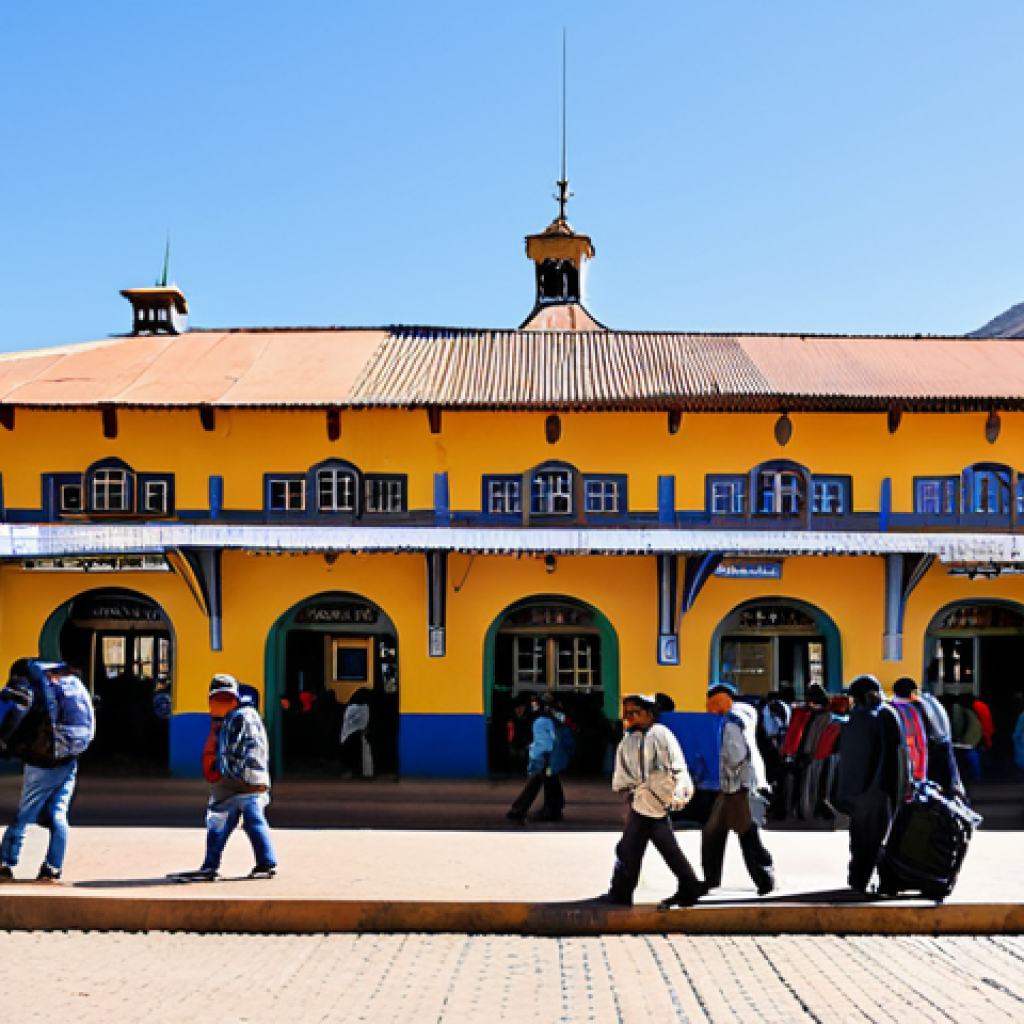
Bolivia, a landlocked country nestled in the heart of South America, boasts a railway system as diverse and challenging as its geography. From the breathtaking heights of the Andes to the sprawling plains, the railroads of Bolivia have played a crucial role in connecting communities and facilitating trade.
I’ve personally traveled on parts of this network and let me tell you, it’s an experience unlike any other! The trains chug along, offering stunning views and a glimpse into the soul of this fascinating nation.
Considering the current trends in sustainable transportation and the increasing focus on eco-tourism, the Bolivian railway system has the potential to become a major draw for international travelers seeking authentic and environmentally conscious adventures.
Experts predict a rise in demand for rail travel in the coming years, and Bolivia is uniquely positioned to capitalize on this trend. Let’s delve deeper into the intricate details of this remarkable system and uncover its hidden gems.
We’ll explore its history, current state, and future prospects in the lines below.
Alright, buckle up for a ride through Bolivia’s railways!
Unearthing the Rich Tapestry of Bolivian Rail History
Bolivia’s railway saga is more than just tracks and trains; it’s a reflection of the nation’s struggles, ambitions, and its relentless pursuit of connectivity.
Picture this: late 19th century, a country bursting with mineral wealth but desperately lacking the infrastructure to transport it efficiently. That’s when the first tracks were laid, snaking their way through unforgiving terrain, largely thanks to foreign investment.
It was a game-changer. Imagine the boost to the silver and tin industries as these railways began hauling resources to the coast for export. Mining towns like Oruro, once isolated outposts, became bustling hubs of activity.
This initial boom shaped the economic landscape and laid the foundation for future development, even if it came with its share of geopolitical complexities.
The British played a huge part in funding and constructing these early lines, which underscores the global interest in Bolivia’s natural resources at the time.
These lines didn’t just transport goods; they carried dreams of prosperity and progress.
The Rise and Fall of Railway Dominance
For decades, the railways reigned supreme as Bolivia’s primary mode of transportation. But things started to shift in the mid-20th century. The rise of highways and trucking brought newfound competition, and the railways, burdened by aging infrastructure and inefficient management, began to lose ground.
It’s a classic story of technological disruption. The flexibility of trucks, able to navigate directly to remote locations, gradually eroded the railways’ market share.
Many lines fell into disrepair, and passenger services dwindled. It was a sad decline for a system that had once been the lifeblood of the nation. I remember reading stories of abandoned stations and overgrown tracks, relics of a bygone era.
Despite these challenges, the railways continue to play a vital role, particularly for transporting bulk commodities like minerals and agricultural products.
The Modern Resurgence: A Glimmer of Hope
Despite the setbacks, there’s a renewed interest in revitalizing Bolivia’s railway network. Government initiatives and foreign investment are fueling modernization projects, with the aim of expanding the network and upgrading existing infrastructure.
There’s a clear recognition of the railways’ potential to drive economic growth and facilitate trade. The Tren Metropolitano in Cochabamba is a great example, a modern light rail system that’s revolutionizing urban transport.
This is all about integrating rail transport into the national strategy and leveraging its advantages for specific sectors. I believe, this could be a game-changer, connecting remote regions to major urban centers and stimulating local economies.
Navigating the Terrain: A Look at Key Routes
Bolivia’s railway network is a testament to engineering ingenuity, built across some of the most challenging landscapes on Earth. The routes are as diverse as the country itself, each with its own unique character and purpose.
Let’s explore some of the key routes that continue to shape Bolivia’s connectivity.
The Western Network: Ascending to the Altiplano
The western network is the lifeline connecting the high-altitude cities of La Paz, Oruro, and Potosí. It’s a marvel of engineering, traversing the Altiplano, the high plateau of the Andes.
This region is known for its extreme altitude and harsh weather conditions, which present significant challenges for railway operation. Picture this: trains chugging slowly uphill, battling thin air and freezing temperatures.
Yet, this network is crucial for transporting minerals from the mines of Potosí and Oruro to the Pacific coast for export. When I journeyed through this region, I was struck by the resilience of the railway workers who keep these lines running despite the odds.
The Eastern Network: Linking to Brazil and Argentina
The eastern network connects Bolivia to its neighbors, Brazil and Argentina, facilitating trade and regional integration. This network stretches across the lowlands, passing through agricultural regions and industrial centers.
It’s a vital artery for transporting soybeans, sugar, and other commodities to international markets. I’ve heard tales of the logistical challenges of managing this network, with its long distances and varying terrain.
Despite these hurdles, the eastern network remains essential for Bolivia’s economic growth, and is vital for the import of manufactured goods and fuel.
The Uyuni Train: A Tourist’s Delight
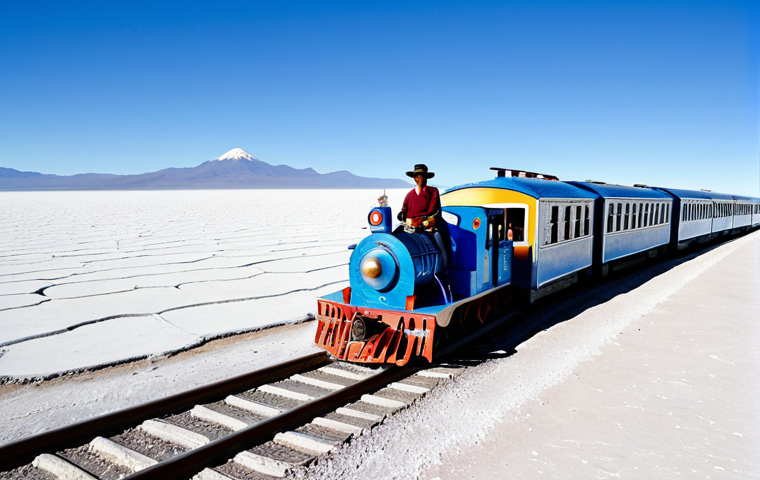
While primarily a freight line connecting Uyuni to Oruro, this route also provides a unique tourist experience. Many travelers use this train as a cost-effective way to access the Uyuni Salt Flats.
It’s a slow, often bumpy ride, but the views are incredible, especially at sunrise and sunset. The train itself is a relic of the past, with vintage carriages and a nostalgic charm.
It’s a truly unforgettable journey. I’ve spoken to backpackers who rave about the experience, trading stories of camaraderie and adventure. Just be prepared for basic amenities and a slower pace of travel!
The Iron Horse and the Economy: A Symbiotic Relationship
Bolivia’s railway system isn’t just about moving people and goods; it’s intimately intertwined with the nation’s economic fortunes. From the early days of mineral extraction to the modern era of agricultural exports, the railways have played a pivotal role in driving economic growth and shaping the country’s development.
Facilitating Trade and Commerce
The railways provide a cost-effective and efficient means of transporting bulk commodities, reducing transportation costs and enhancing the competitiveness of Bolivian products in international markets.
It’s a critical link in the supply chain, enabling businesses to reach new customers and expand their operations. The transportation of soy and minerals are two of the biggest commodities to utilize Bolivia’s railway system.
Efficiently transporting these goods has a significant impact on Bolivia’s export economy.
Supporting the Mining Industry
Bolivia’s mining industry relies heavily on the railways to transport minerals from remote mines to processing plants and export terminals. Without the railways, many of these mines would be economically unviable.
The trains haul everything from tin and silver to lithium, the “white gold” of the future. I remember reading about the challenges of transporting lithium from the Salar de Uyuni, where the railways are essential for connecting the remote salt flats to the rest of the world.
Connecting Rural Communities
Beyond the economic benefits, the railways also play a crucial role in connecting rural communities, providing access to markets, education, and healthcare.
These lines are a lifeline for many isolated communities, enabling them to participate in the national economy and improve their quality of life. The passenger services, though limited, offer a vital link to the outside world.
When I spoke to residents in remote villages, they emphasized the importance of the railways for accessing essential services.
Riding the Rails: A Passenger’s Perspective
Traveling by train in Bolivia is an experience that goes beyond mere transportation; it’s a chance to immerse yourself in the country’s culture, connect with its people, and witness its stunning landscapes.
While passenger services may not be as frequent or luxurious as in other parts of the world, they offer a unique and authentic way to explore Bolivia.
Comfort and Cost
Compared to flying or taking a bus, train travel in Bolivia can be a more affordable option, especially for long distances. The comfort level varies depending on the class of service, but even the basic options provide a relatively comfortable way to travel.
The trains typically have seating arrangements, restrooms, and sometimes a dining car. I have heard that the seats can be a little worn, but the experience is worth it.
It is advisable to bring your own snacks and water, as options on board can be limited.
Safety and Security
While safety standards may not be as high as in some developed countries, the railway authorities have taken steps to improve safety and security on the trains.
It’s always a good idea to be aware of your surroundings and take precautions against theft. Traveling during daylight hours is generally considered safer.
I always recommend keeping an eye on your belongings and avoiding displaying expensive items.
Practical Tips for Travelers
* Book tickets in advance: Especially during peak season. * Pack for all weather conditions: Temperatures can vary dramatically depending on the altitude and time of day.
* Bring snacks and water: Options on board may be limited. * Learn some basic Spanish phrases: This will make it easier to communicate with locals.
* Be prepared for delays: Train schedules can be unpredictable. * Embrace the adventure: Traveling by train in Bolivia is an experience to savor.
The Future on Rails: Modernization and Expansion
Bolivia’s railway system stands at a crossroads, with the potential to play an even greater role in the nation’s development. Modernization and expansion projects are underway, with the aim of transforming the railways into a more efficient, sustainable, and competitive mode of transportation.
Investment and Infrastructure Upgrades
Significant investments are being made to upgrade existing infrastructure, including tracks, bridges, and signaling systems. New locomotives and rolling stock are being purchased to improve the efficiency and reliability of the service.
These investments are crucial for ensuring the long-term viability of the railway network. I’ve seen reports of Chinese companies playing a key role in these modernization efforts, bringing expertise and technology to the table.
Integration with Other Modes of Transport
Integrating the railways with other modes of transport, such as highways and airports, can create a seamless transportation network that facilitates trade and tourism.
This involves building intermodal terminals where goods can be easily transferred between trains, trucks, and planes. A streamlined transportation system will give Bolivia a competitive edge in the global market.
Eco-Friendly Rail Travel
Compared to other modes of transportation, rail travel is more environmentally friendly, producing lower emissions and reducing carbon footprint. Promoting rail travel can contribute to Bolivia’s efforts to combat climate change.
There’s growing interest in electric trains and other sustainable technologies. With it’s unique views, Bolivia could become a prime location for eco-tourism train routes.
Quick Reference Table: Bolivia Railways at a Glance
Here’s a quick rundown of key facts and figures related to Bolivia’s railway
Sustainable Tourism: The Untapped Potential of Bolivian Railways
Bolivia’s railway system offers a unique platform for promoting sustainable tourism, attracting environmentally conscious travelers who seek authentic and immersive experiences.
By leveraging the railways’ historical significance, scenic routes, and connection to local communities, Bolivia can create a tourism industry that benefits both visitors and residents.
Heritage Tourism: Reliving the Railway Era
The railways offer a window into Bolivia’s past, showcasing the country’s industrial heritage and the stories of the people who built and operated the system.
Restoring historic stations and locomotives, and creating railway museums, can attract heritage tourists who are interested in learning about Bolivia’s rich history.
I can imagine restored steam trains chugging through the countryside, offering a nostalgic journey back in time.
Community-Based Tourism: Connecting with Local Cultures
The railways connect travelers with remote communities, providing opportunities to experience local cultures, support local businesses, and contribute to sustainable development.
This can involve staying in community-run guesthouses, participating in traditional activities, and purchasing local crafts. It’s a win-win situation, empowering communities and providing tourists with authentic experiences.
Promoting Eco-Friendly Travel
Compared to other modes of transport, rail travel is more environmentally friendly, making it an attractive option for eco-conscious travelers. Promoting rail travel can help reduce Bolivia’s carbon footprint and contribute to sustainable tourism.
With electric trains in the future, it’s a great way to promote Eco-friendly Rail Travel. Alright, buckle up for a ride through Bolivia’s railways!
Unearthing the Rich Tapestry of Bolivian Rail History
Bolivia’s railway saga is more than just tracks and trains; it’s a reflection of the nation’s struggles, ambitions, and its relentless pursuit of connectivity. Picture this: late 19th century, a country bursting with mineral wealth but desperately lacking the infrastructure to transport it efficiently. That’s when the first tracks were laid, snaking their way through unforgiving terrain, largely thanks to foreign investment. It was a game-changer. Imagine the boost to the silver and tin industries as these railways began hauling resources to the coast for export. Mining towns like Oruro, once isolated outposts, became bustling hubs of activity. This initial boom shaped the economic landscape and laid the foundation for future development, even if it came with its share of geopolitical complexities. The British played a huge part in funding and constructing these early lines, which underscores the global interest in Bolivia’s natural resources at the time. These lines didn’t just transport goods; they carried dreams of prosperity and progress.
The Rise and Fall of Railway Dominance
For decades, the railways reigned supreme as Bolivia’s primary mode of transportation. But things started to shift in the mid-20th century. The rise of highways and trucking brought newfound competition, and the railways, burdened by aging infrastructure and inefficient management, began to lose ground. It’s a classic story of technological disruption. The flexibility of trucks, able to navigate directly to remote locations, gradually eroded the railways’ market share. Many lines fell into disrepair, and passenger services dwindled. It was a sad decline for a system that had once been the lifeblood of the nation. I remember reading stories of abandoned stations and overgrown tracks, relics of a bygone era. Despite these challenges, the railways continue to play a vital role, particularly for transporting bulk commodities like minerals and agricultural products.
The Modern Resurgence: A Glimmer of Hope
Despite the setbacks, there’s a renewed interest in revitalizing Bolivia’s railway network. Government initiatives and foreign investment are fueling modernization projects, with the aim of expanding the network and upgrading existing infrastructure. There’s a clear recognition of the railways’ potential to drive economic growth and facilitate trade. The Tren Metropolitano in Cochabamba is a great example, a modern light rail system that’s revolutionizing urban transport. This is all about integrating rail transport into the national strategy and leveraging its advantages for specific sectors. I believe, this could be a game-changer, connecting remote regions to major urban centers and stimulating local economies.
Navigating the Terrain: A Look at Key Routes
Bolivia’s railway network is a testament to engineering ingenuity, built across some of the most challenging landscapes on Earth. The routes are as diverse as the country itself, each with its own unique character and purpose. Let’s explore some of the key routes that continue to shape Bolivia’s connectivity.
The Western Network: Ascending to the Altiplano
The western network is the lifeline connecting the high-altitude cities of La Paz, Oruro, and Potosí. It’s a marvel of engineering, traversing the Altiplano, the high plateau of the Andes. This region is known for its extreme altitude and harsh weather conditions, which present significant challenges for railway operation. Picture this: trains chugging slowly uphill, battling thin air and freezing temperatures. Yet, this network is crucial for transporting minerals from the mines of Potosí and Oruro to the Pacific coast for export. When I journeyed through this region, I was struck by the resilience of the railway workers who keep these lines running despite the odds.
The Eastern Network: Linking to Brazil and Argentina
The eastern network connects Bolivia to its neighbors, Brazil and Argentina, facilitating trade and regional integration. This network stretches across the lowlands, passing through agricultural regions and industrial centers. It’s a vital artery for transporting soybeans, sugar, and other commodities to international markets. I’ve heard tales of the logistical challenges of managing this network, with its long distances and varying terrain. Despite these hurdles, the eastern network remains essential for Bolivia’s economic growth, and is vital for the import of manufactured goods and fuel.
The Uyuni Train: A Tourist’s Delight
While primarily a freight line connecting Uyuni to Oruro, this route also provides a unique tourist experience. Many travelers use this train as a cost-effective way to access the Uyuni Salt Flats. It’s a slow, often bumpy ride, but the views are incredible, especially at sunrise and sunset. The train itself is a relic of the past, with vintage carriages and a nostalgic charm. It’s a truly unforgettable journey. I’ve spoken to backpackers who rave about the experience, trading stories of camaraderie and adventure. Just be prepared for basic amenities and a slower pace of travel!
The Iron Horse and the Economy: A Symbiotic Relationship
Bolivia’s railway system isn’t just about moving people and goods; it’s intimately intertwined with the nation’s economic fortunes. From the early days of mineral extraction to the modern era of agricultural exports, the railways have played a pivotal role in driving economic growth and shaping the country’s development.
Facilitating Trade and Commerce
The railways provide a cost-effective and efficient means of transporting bulk commodities, reducing transportation costs and enhancing the competitiveness of Bolivian products in international markets. It’s a critical link in the supply chain, enabling businesses to reach new customers and expand their operations. The transportation of soy and minerals are two of the biggest commodities to utilize Bolivia’s railway system. Efficiently transporting these goods has a significant impact on Bolivia’s export economy.
Supporting the Mining Industry
Bolivia’s mining industry relies heavily on the railways to transport minerals from remote mines to processing plants and export terminals. Without the railways, many of these mines would be economically unviable. The trains haul everything from tin and silver to lithium, the “white gold” of the future. I remember reading about the challenges of transporting lithium from the Salar de Uyuni, where the railways are essential for connecting the remote salt flats to the rest of the world.
Connecting Rural Communities
Beyond the economic benefits, the railways also play a crucial role in connecting rural communities, providing access to markets, education, and healthcare. These lines are a lifeline for many isolated communities, enabling them to participate in the national economy and improve their quality of life. The passenger services, though limited, offer a vital link to the outside world. When I spoke to residents in remote villages, they emphasized the importance of the railways for accessing essential services.
Riding the Rails: A Passenger’s Perspective
Traveling by train in Bolivia is an experience that goes beyond mere transportation; it’s a chance to immerse yourself in the country’s culture, connect with its people, and witness its stunning landscapes. While passenger services may not be as frequent or luxurious as in other parts of the world, they offer a unique and authentic way to explore Bolivia.
Comfort and Cost
Compared to flying or taking a bus, train travel in Bolivia can be a more affordable option, especially for long distances. The comfort level varies depending on the class of service, but even the basic options provide a relatively comfortable way to travel. The trains typically have seating arrangements, restrooms, and sometimes a dining car. I have heard that the seats can be a little worn, but the experience is worth it. It is advisable to bring your own snacks and water, as options on board can be limited.
Safety and Security
While safety standards may not be as high as in some developed countries, the railway authorities have taken steps to improve safety and security on the trains. It’s always a good idea to be aware of your surroundings and take precautions against theft. Traveling during daylight hours is generally considered safer. I always recommend keeping an eye on your belongings and avoiding displaying expensive items.
Practical Tips for Travelers
Book tickets in advance: Especially during peak season.
Pack for all weather conditions: Temperatures can vary dramatically depending on the altitude and time of day.
Bring snacks and water: Options on board may be limited.
Learn some basic Spanish phrases: This will make it easier to communicate with locals.
Be prepared for delays: Train schedules can be unpredictable.
Embrace the adventure: Traveling by train in Bolivia is an experience to savor.
The Future on Rails: Modernization and Expansion
Bolivia’s railway system stands at a crossroads, with the potential to play an even greater role in the nation’s development. Modernization and expansion projects are underway, with the aim of transforming the railways into a more efficient, sustainable, and competitive mode of transportation.
Investment and Infrastructure Upgrades
Significant investments are being made to upgrade existing infrastructure, including tracks, bridges, and signaling systems. New locomotives and rolling stock are being purchased to improve the efficiency and reliability of the service. These investments are crucial for ensuring the long-term viability of the railway network. I’ve seen reports of Chinese companies playing a key role in these modernization efforts, bringing expertise and technology to the table.
Integration with Other Modes of Transport
Integrating the railways with other modes of transport, such as highways and airports, can create a seamless transportation network that facilitates trade and tourism. This involves building intermodal terminals where goods can be easily transferred between trains, trucks, and planes. A streamlined transportation system will give Bolivia a competitive edge in the global market.
Eco-Friendly Rail Travel
Compared to other modes of transportation, rail travel is more environmentally friendly, producing lower emissions and reducing carbon footprint. Promoting rail travel can contribute to Bolivia’s efforts to combat climate change. There’s growing interest in electric trains and other sustainable technologies. With it’s unique views, Bolivia could become a prime location for eco-tourism train routes.
Quick Reference Table: Bolivia Railways at a Glance
Here’s a quick rundown of key facts and figures related to Bolivia’s railway
| Aspect | Details |
|---|---|
| Total Track Length | Approximately 3,691 km (2,294 miles) |
| Gauge | Mixed: predominantly 1,000 mm (3 ft 3 3⁄8 in) |
| Key Routes | Western Network (La Paz-Oruro-Potosí), Eastern Network (linking to Brazil and Argentina), Uyuni Train |
| Main Cargo | Minerals (tin, silver, lithium), agricultural products (soybeans, sugar), industrial goods |
| Passenger Services | Limited, but available on some routes |
| Challenges | Aging infrastructure, competition from trucking, difficult terrain |
| Future Prospects | Modernization and expansion projects, integration with other modes of transport, promotion of eco-friendly rail travel |
Sustainable Tourism: The Untapped Potential of Bolivian Railways
Bolivia’s railway system offers a unique platform for promoting sustainable tourism, attracting environmentally conscious travelers who seek authentic and immersive experiences. By leveraging the railways’ historical significance, scenic routes, and connection to local communities, Bolivia can create a tourism industry that benefits both visitors and residents.
Heritage Tourism: Reliving the Railway Era
The railways offer a window into Bolivia’s past, showcasing the country’s industrial heritage and the stories of the people who built and operated the system. Restoring historic stations and locomotives, and creating railway museums, can attract heritage tourists who are interested in learning about Bolivia’s rich history. I can imagine restored steam trains chugging through the countryside, offering a nostalgic journey back in time.
Community-Based Tourism: Connecting with Local Cultures
The railways connect travelers with remote communities, providing opportunities to experience local cultures, support local businesses, and contribute to sustainable development. This can involve staying in community-run guesthouses, participating in traditional activities, and purchasing local crafts. It’s a win-win situation, empowering communities and providing tourists with authentic experiences.
Promoting Eco-Friendly Travel
Compared to other modes of transport, rail travel is more environmentally friendly, making it an attractive option for eco-conscious travelers. Promoting rail travel can help reduce Bolivia’s carbon footprint and contribute to sustainable tourism. With electric trains in the future, it’s a great way to promote Eco-friendly Rail Travel.
In Conclusion
Bolivia’s railway system, with its rich history and potential for future growth, offers a fascinating glimpse into the heart of the nation. Whether you’re a history buff, an adventure seeker, or an eco-conscious traveler, exploring Bolivia by train is an experience you won’t soon forget. As modernization efforts continue, the railways promise to remain a vital artery for Bolivia’s economy and a captivating route for those seeking to discover the country’s hidden gems. All aboard for an unforgettable journey!
Good to Know Information
1. The currency in Bolivia is the Boliviano (BOB). ATMs are available in major cities, but it’s a good idea to carry some cash, especially when traveling in rural areas.
2. English isn’t widely spoken outside of tourist areas, so learning some basic Spanish phrases will be helpful.
3. Altitude sickness can be a concern, especially in the Altiplano region. Acclimatize gradually and drink plenty of water.
4. Pack layers of clothing, as temperatures can fluctuate dramatically throughout the day.
5. Be aware of your belongings and take precautions against theft, especially in crowded areas.
Key Takeaways
Bolivia’s railways have played a significant role in the country’s economic development, particularly in the mining and agriculture sectors.
The railway network is undergoing modernization and expansion, with the potential to improve connectivity and promote sustainable tourism.
Traveling by train in Bolivia offers a unique and authentic way to experience the country’s culture and landscapes.
Frequently Asked Questions (FAQ) 📖
Q: Is the Bolivian railway system safe for tourists, especially considering its mountainous terrain?
A: Honestly, safety can be a mixed bag. Parts of the system are quite old, and maintenance isn’t always top-notch, if I’m being perfectly candid. But having ridden on it myself, the charm and adventure really outweigh the risks if you’re prepared.
Check recent travel advisories, book with reputable tour operators, and maybe pack a good travel insurance policy, just in case. Think of it like a vintage car ride – exciting, but you want to buckle up!
Q: Considering the growing trend of eco-tourism, how is Bolivia leveraging its railway system to attract environmentally conscious travelers?
A: That’s the golden ticket, isn’t it? Right now, it’s a bit of a missed opportunity. While the trains themselves aren’t exactly eco-friendly yet, the journey is where the magic lies.
Imagine: slower pace, immersive views of the Andes, direct access to remote villages. To really tap into eco-tourism, Bolivia needs to invest in modernizing the fleet with hybrid or electric locomotives, promote community-based tourism initiatives along the railway lines, and highlight the lower carbon footprint compared to flying or driving.
Picture solar panels powering train stations in the Altiplano!
Q: What are some of the must-see destinations accessible via the Bolivian railway, and what can travelers expect in terms of amenities and comfort?
A: Oh, you’re in for a treat! A trip to Oruro during Carnival is insane, the energy is palpable. Then there’s Uyuni.
The train ride out to that part of the Altiplano is incredible! Now, let’s be real, “comfort” is a relative term. Expect basic seating, maybe a dining car with simple meals, and don’t be surprised if things run on “Bolivian time.” It’s all part of the adventure.
Pack snacks, water, layers of clothing (the weather can change on a dime), and a good book. And honestly, strike up a conversation with the locals – that’s where the real stories are!
📚 References
Wikipedia Encyclopedia
구글 검색 결과
구글 검색 결과
구글 검색 결과
구글 검색 결과
구글 검색 결과