The charango, a small stringed instrument from Bolivia, carries centuries of rich cultural history within its delicate frame. Known for its bright, cheerful sound, it’s a cornerstone of Andean folk music and a symbol of indigenous identity.
Musicians often craft charangos from exotic materials like armadillo shells, giving each instrument a unique character. Over time, this charming instrument has transcended its traditional roots to influence contemporary music across Latin America.
Whether played in bustling city squares or remote mountain villages, the charango’s melodies evoke deep emotion and storytelling. Let’s dive deeper and explore the fascinating world of the Bolivian charango!
The Evolution of Charango Craftsmanship
Traditional Materials and Their Cultural Significance
The charango’s construction has long been tied to its cultural roots, with the most iconic being the use of armadillo shells for the body. This choice wasn’t just about availability; it symbolized a deep connection to nature and indigenous identity.
Over time, wood became a more common material, especially cedar and walnut, due to their durability and tonal qualities. What fascinates me is how each material alters the instrument’s voice — armadillo shells give a bright, crisp sound, while wooden bodies tend to offer warmer, richer tones.
This variety reflects both the environment and the artisan’s intent, making every charango a personal story in sound and shape.
Modern Adaptations and Sustainability Efforts
As awareness about wildlife conservation grows, many luthiers have shifted away from using armadillo shells, opting instead for ethically sourced woods or synthetic materials.
I remember visiting a workshop in La Paz where the maker proudly demonstrated a charango made from sustainably harvested tonewoods, explaining how this approach preserves tradition while respecting nature.
These modern adaptations allow the charango to continue thriving without compromising environmental responsibility. Plus, some makers experiment with carbon fiber and other innovative materials, which surprises many purists but opens exciting new sonic possibilities.
Handcrafting Techniques Passed Through Generations
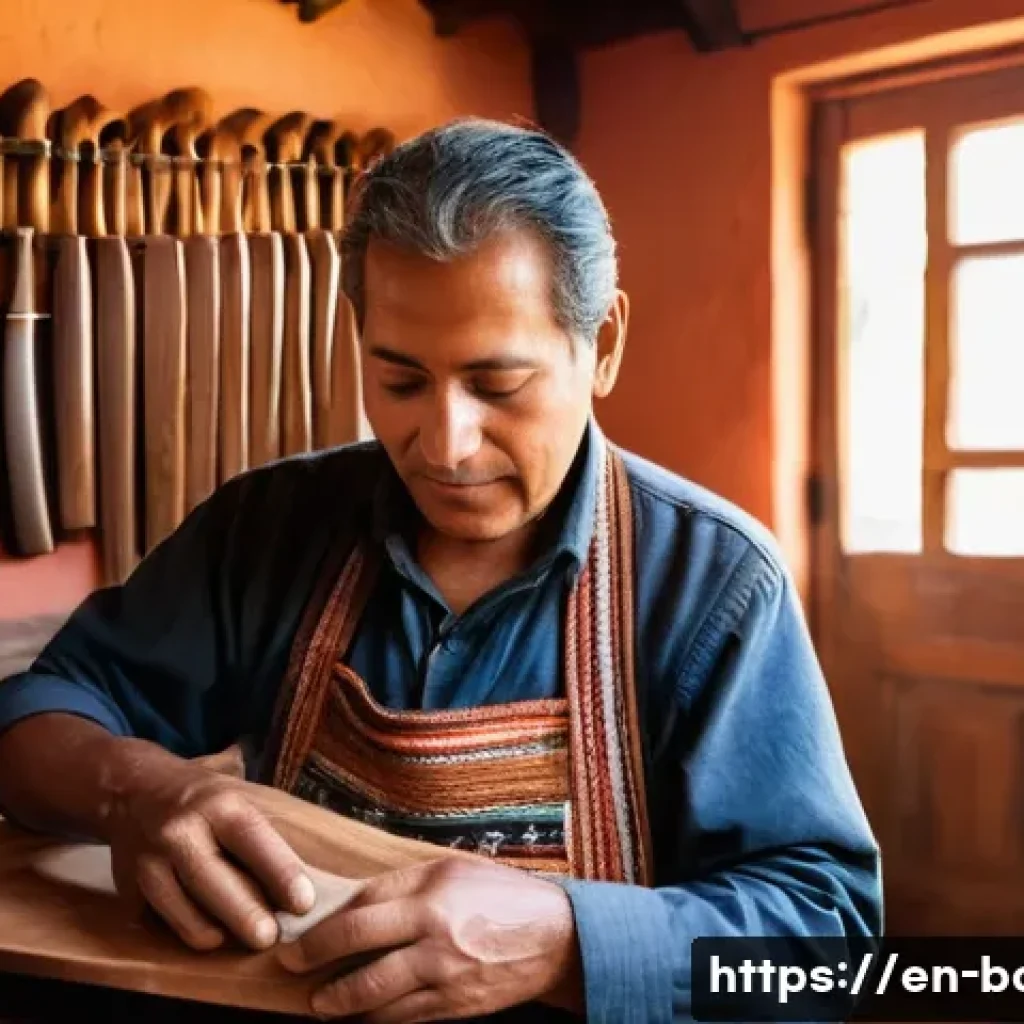
One of the most enchanting aspects of charango making is the transmission of skills from master to apprentice, often within families. The meticulous carving, fret placement, and stringing require patience and precision.
When I tried my hand at shaping a charango neck, I quickly realized the craftsmanship involved is truly an art form. These techniques ensure the instrument’s playability and sound quality endure, linking past and present through hands-on tradition.
It’s this blend of technical mastery and cultural storytelling that breathes life into every instrument.
Distinctive Playing Styles and Regional Variations
Andean Rhythms and Melodic Patterns
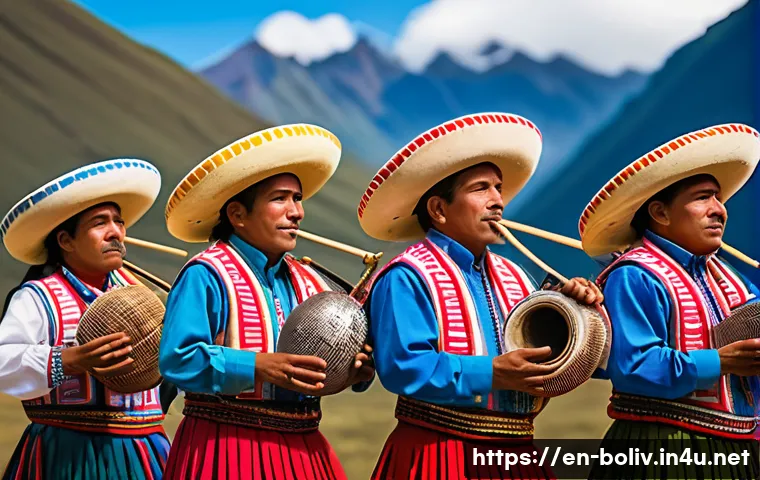
The charango’s role in Andean music is versatile, often providing both rhythmic drive and melodic embellishment. In traditional festivals, you’ll hear it weaving through huaynos and carnavales, delivering that lively pulse that gets everyone dancing.
I’ve noticed that players from different regions emphasize particular strumming patterns or fingerpicking styles, which subtly shift the mood of the music.
This regional diversity enriches the instrument’s repertoire, making each performance unique and deeply tied to local identity.
Integration into Contemporary Latin Music Genres
While rooted in folk tradition, the charango has found its way into modern genres like Latin pop, fusion, and even rock. Artists experiment by blending its bright timbre with electric guitars and synthesizers, creating fresh soundscapes.
I’ve attended concerts where the charango’s crisp notes cut through a full band arrangement, proving its adaptability. This crossover appeal helps keep the instrument relevant for younger generations, bridging the gap between heritage and innovation.
Solo and Ensemble Settings: A Dynamic Role
Whether featured as a solo instrument or part of a larger ensemble, the charango’s expressive range shines. Solo players often use intricate melodies and rapid tremolos to showcase technical skill and emotional depth.
In groups, it can act as a harmonic backbone or rhythmic anchor. From my experience listening to live performances, the charango’s presence always adds a distinctive charm, capable of shifting from playful to haunting in moments, which speaks to its expressive power.
The Charango’s Symbolic Meaning in Indigenous Communities
A Marker of Identity and Resistance
Beyond music, the charango carries profound symbolic weight among indigenous peoples. It’s often seen as a vessel for cultural expression and resistance against historical marginalization.
For many players, performing on the charango is an act of reclaiming heritage and asserting pride. I’ve spoken with musicians who described how the instrument connects them to ancestors and traditions, serving as a living link to their roots.
This emotional resonance transforms the charango into more than just an instrument—it becomes a statement of identity.
Ceremonial Uses and Spiritual Connections
In some communities, the charango accompanies rituals and ceremonies, where its sound is believed to bridge the earthly and spiritual worlds. The instrument’s bright tones are thought to invite blessings or ward off negative energies.
Witnessing these ceremonies firsthand, I was struck by the reverence with which the charango was handled, underscoring its sacred status. This spiritual dimension adds layers of meaning that go far beyond its musical function.
Educational Programs and Cultural Preservation
To safeguard this heritage, many organizations promote charango education among youth, often through workshops and cultural centers. I’ve volunteered at such programs where children eagerly learn to play, not just as a hobby but as a way to honor their lineage.
These initiatives ensure that the charango remains a vibrant part of community life, passing traditions forward in a world increasingly dominated by globalized culture.
Understanding the Charango’s Construction and Sound
Key Components and Their Functions
The charango typically features 10 strings arranged in five pairs, known as courses, tuned to produce its signature bright, shimmering sound. The small body, short neck, and closely spaced frets facilitate rapid, intricate playing styles.
I found it fascinating how slight changes in string tension or body shape can dramatically alter tone and playability. Each part—from the pegbox to the bridge—works in harmony to create that instantly recognizable voice.
How Different Woods Affect Tone Quality
Wood selection plays a pivotal role in shaping the charango’s sound. Denser woods like walnut tend to produce a fuller, more resonant tone, while lighter woods such as cedar emphasize brightness and clarity.
When I compared two charangos side-by-side, the difference was striking, almost like listening to two distinct instruments despite their similar size.
This tonal diversity gives musicians a palette to match their personal style and the music’s emotional demands.
Tuning Variations and Their Musical Impact
Although the most common tuning is GCEAE, players often experiment with alternate tunings to suit different musical contexts. For example, some use a re-entrant tuning that allows for more melodic flexibility, while others prefer standard tuning for easier chord shapes.
My own attempts at these tunings revealed how they open new harmonic possibilities, enriching the charango’s expressive potential.
Popular Charango Models and Their Features
Traditional Armadillo Shell Charangos
These models are prized for their historical authenticity and bright sound. The armadillo shell body not only gives a distinctive appearance but also influences resonance and attack.
However, they require careful maintenance to prevent cracking or damage. I found that playing one feels like holding a piece of history, with a tactile connection to generations of musicians.
Wooden Charangos: Versatility and Durability
Wooden charangos dominate the market today due to their robustness and tonal warmth. Makers often hand-select woods to balance aesthetics and sound, crafting instruments suited for both beginners and professionals.
I appreciate how these charangos can withstand varied climates, making them ideal for touring musicians who travel across different regions.
Innovative and Hybrid Designs
Some modern luthiers combine traditional craftsmanship with new materials, such as carbon fiber backs or synthetic strings, to enhance durability and sound projection.
These hybrids appeal to musicians seeking reliability without sacrificing the charango’s characteristic tone. From my conversations with players, these models often serve as practical tools for performances in diverse settings, from outdoor festivals to recording studios.
| Charango Type | Material | Sound Characteristics | Durability | Typical Use |
|---|---|---|---|---|
| Armadillo Shell | Armadillo shell | Bright, sharp, resonant | Fragile, requires careful handling | Traditional performances, collectors |
| Wooden | Cedar, Walnut, Mahogany | Warm, rich, balanced | Durable, weather resistant | Everyday playing, touring musicians |
| Hybrid/Modern | Wood + Carbon fiber or synthetic parts | Clear, projected, versatile | Highly durable | Recording, outdoor events, fusion genres |
Charango in Performance and Recording
Techniques for Live Playing
Playing the charango live demands both technical skill and stage presence. Strumming patterns need to be precise yet fluid to maintain rhythmic momentum, while fingerpicking adds melodic interest.
I recall attending a concert where the performer’s energy and command of dynamics made the instrument’s voice soar above a full band. Using amplification carefully is also key to preserve the charango’s natural timbre without distortion.
Recording Challenges and Solutions
Capturing the charango’s bright tone in the studio can be tricky, especially because it’s a small instrument with subtle nuances. Microphone placement is crucial; I’ve experimented with close miking near the soundhole combined with ambient room mics to achieve a natural, full sound.
Some producers add gentle compression and EQ to bring out warmth without losing clarity. These techniques help the charango stand out in mixes while respecting its acoustic charm.
Collaborations and Cross-Cultural Projects
The charango frequently appears in collaborative projects blending diverse musical traditions. I’ve worked on sessions where it paired beautifully with flamenco guitar or jazz saxophone, creating unexpected yet harmonious textures.
This adaptability highlights the instrument’s universal appeal and its potential as a bridge between cultures, enriching musical dialogues far beyond its Andean origins.
Learning to Play: Resources and Community
Finding Instruction and Practice Materials
For beginners, finding quality charango tutorials can be a challenge outside of Bolivia. Fortunately, there’s a growing number of online lessons, video tutorials, and sheet music collections available in English.
When I started, I relied heavily on YouTube channels hosted by native players, which helped me grasp essential techniques and songs. Supplementing practice with apps that slow down music also accelerated my learning process.
Community Support and Jam Sessions
One of the best ways to improve is joining local or virtual charango groups where enthusiasts share tips and play together. I joined an online forum where players from around the world exchange advice and arrange virtual jams, which helped me stay motivated and connected.
In-person meetups and festivals provide even richer experiences, fostering friendships and cultural exchange that go beyond the music.
Challenges and Rewards for New Players
Learning the charango isn’t without its hurdles — the small frets can be tricky for beginners, and mastering strumming patterns takes patience. But from my experience, the joy of producing that lively, distinctive sound makes every challenge worthwhile.
Progress feels incredibly rewarding, especially when playing familiar folk tunes or composing your own melodies. The charango’s charm lies not only in its music but in the journey of learning it.
Conclusion
The charango is more than just a musical instrument; it embodies a rich cultural heritage and evolving craftsmanship. From traditional materials to modern innovations, its story reflects both history and progress. Whether played in intimate ceremonies or vibrant festivals, the charango continues to connect people across generations and borders. Its unique sound and symbolic meaning make it a truly special part of the musical world.
Useful Information to Keep in Mind
1. The choice of materials, like armadillo shell or wood, greatly affects the charango’s tone and cultural significance.
2. Modern makers are embracing sustainable and innovative materials to protect the environment while preserving tradition.
3. Learning charango techniques is often a family or community affair, passing down skills that enhance both sound and playability.
4. The charango’s role spans from traditional Andean music to contemporary genres, showing its versatility and broad appeal.
5. Joining online communities or local groups can greatly support new players through shared knowledge and collaborative practice.
Key Takeaways
Understanding the charango involves appreciating its craftsmanship, diverse playing styles, and deep cultural roots. Sustainable production and modern adaptations ensure its future, while education and community engagement keep the tradition alive. Whether you’re a musician, collector, or enthusiast, the charango offers a unique blend of history, sound, and symbolism that enriches any musical experience.
Frequently Asked Questions (FAQ) 📖
Q: What materials are traditionally used to make a charango, and why are they significant?
A: Traditionally, charangos are crafted from armadillo shells, wood, or a combination of both. The use of armadillo shells is particularly significant because it reflects indigenous craftsmanship and connects the instrument to the natural environment of the Andes.
Each material impacts the sound quality and gives the charango its distinct timbre. While modern makers often use wood for ethical and practical reasons, the armadillo shell charango remains an iconic symbol of cultural heritage.
Q: How has the charango influenced modern Latin
A: merican music beyond traditional folk genres? A2: Over the years, the charango has found its way into various contemporary music styles, including pop, rock, and fusion genres across Latin America.
Its bright, lively sound adds a unique texture that artists love to experiment with. I’ve noticed that many modern musicians blend the charango’s traditional melodies with electronic beats or urban rhythms, creating fresh and captivating sounds that appeal to younger audiences while honoring cultural roots.
Q: Is it difficult for beginners to learn the charango, and what makes it unique compared to other string instruments?
A: From my experience, the charango is quite approachable for beginners, especially those familiar with guitar or ukulele, because of its small size and relatively simple tuning.
What makes it stand out is its cheerful, high-pitched tone and the way it encourages rhythmic strumming combined with melodic picking. The instrument’s compact design makes it easy to carry around, perfect for spontaneous performances or jam sessions, which adds to its charm and accessibility.