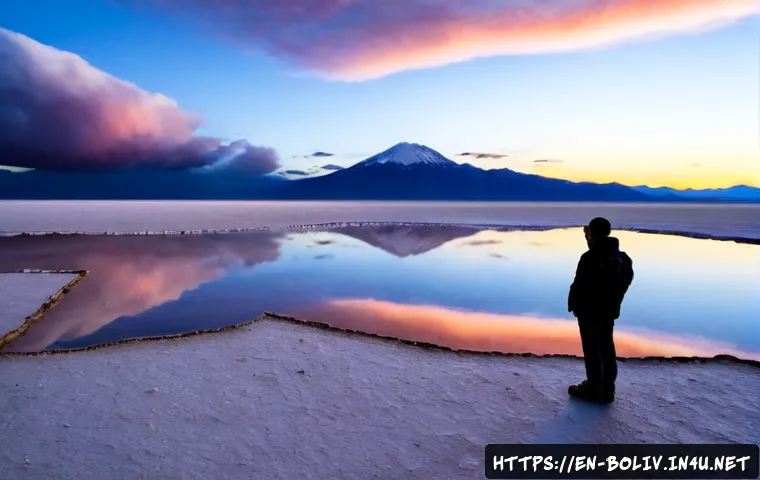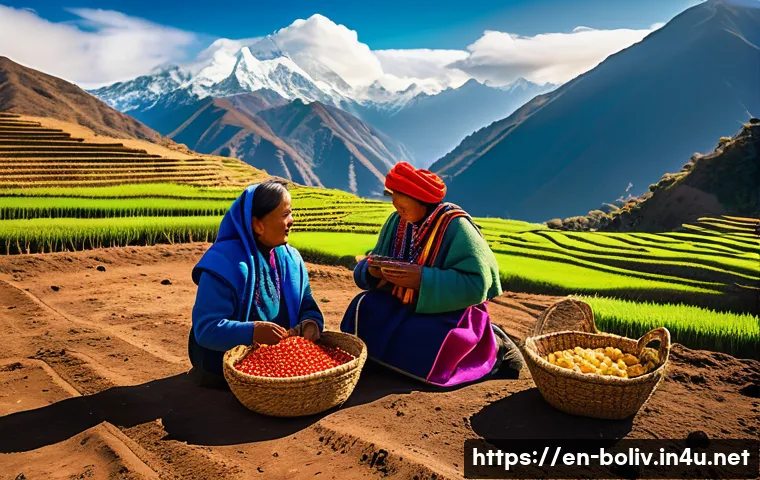
Living as an indigenous community in Bolivia means embracing a rich tapestry of traditions, languages, and deep connections to the land. Their daily lives are shaped by ancestral customs that have endured for centuries, blending agricultural practices with spiritual beliefs.
Despite modern challenges, these communities maintain a strong sense of identity and resilience. Exploring their lifestyle offers a unique window into a world where history and culture live hand in hand.
Let’s dive in and discover the fascinating details together!
Daily Rhythms Rooted in Nature
Harvesting with the Seasons
The heartbeat of indigenous life in Bolivia often follows the pulse of the land. Families rise early to tend to their crops, which are carefully selected to suit the high-altitude climate.
Potatoes, quinoa, and corn dominate the fields, but what’s truly remarkable is how planting and harvesting align with ancestral calendars rather than modern ones.
I’ve noticed that these communities rely heavily on observing natural signs—like the position of the sun or the behavior of animals—to decide the perfect time for sowing seeds.
It’s a hands-on connection with the earth that goes beyond agriculture; it’s a daily dialogue with nature that modern farming often lacks.
Balancing Work and Community
Work is never a solitary endeavor. The concept of ayni, or reciprocal labor, means neighbors and extended family pitch in together during busy seasons.
I’ve experienced this firsthand during a visit where everyone gathered to harvest potatoes. It felt less like work and more like a lively gathering, full of laughter, shared stories, and collective effort.
This system strengthens social bonds and ensures no one is left behind, which is especially crucial when resources are scarce or the weather turns harsh.
Spiritual Practices Interwoven with Daily Tasks
Even routine activities carry spiritual weight. Before planting, offerings are made to Pachamama (Mother Earth) to seek blessings for a good harvest. These rituals, often involving coca leaves, chicha (fermented corn drink), and music, are moments of gratitude and respect.
The community’s relationship with the land is sacred, and you can sense this reverence in how carefully they treat the soil, water, and seeds. It’s not just farming; it’s a holistic lifestyle where spirituality and survival are inseparable.
Language as a Living Heritage
Multilingual Realities
Indigenous communities in Bolivia often navigate a rich linguistic landscape, fluently switching between Quechua, Aymara, and Spanish. This multilingualism isn’t just practical; it’s a cultural treasure.
I’ve observed how elders use native languages to pass down stories, songs, and wisdom, preserving identity in a rapidly globalizing world. Meanwhile, younger generations may blend languages, creating unique dialects that reflect both tradition and modern influences.
Oral Traditions and Storytelling
Storytelling is a vital way knowledge is preserved and shared. Tales of ancestors, mythical creatures, and the origins of the land are told during communal gatherings, often accompanied by music or dance.
These narratives do more than entertain—they teach values, history, and survival skills. When I sat around a fire with community members, their stories painted vivid pictures of resilience and connection that textbooks simply can’t capture.
Language Challenges and Revitalization
Despite the richness, indigenous languages face challenges due to urban migration and schooling in Spanish. However, there’s a growing movement within communities and institutions to revitalize and protect these tongues.
Local schools now incorporate native language classes, and cultural festivals celebrate linguistic diversity. Witnessing these efforts made me hopeful that these languages will thrive for generations to come.
Traditional Crafts and Artistic Expressions
Textiles Woven with Meaning
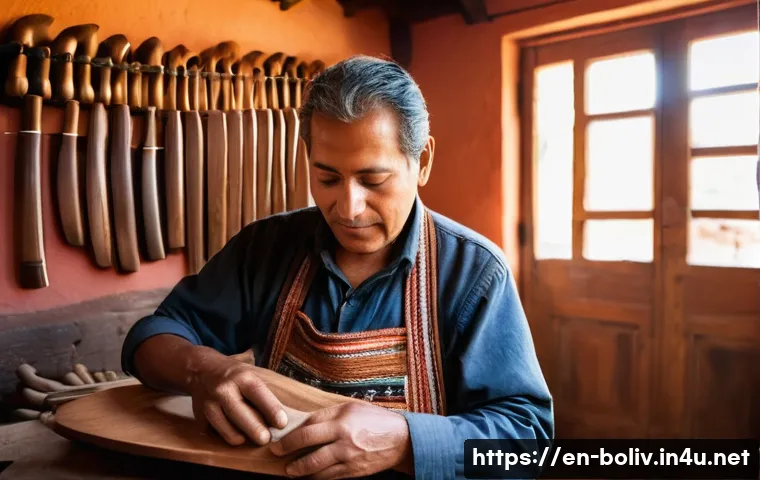
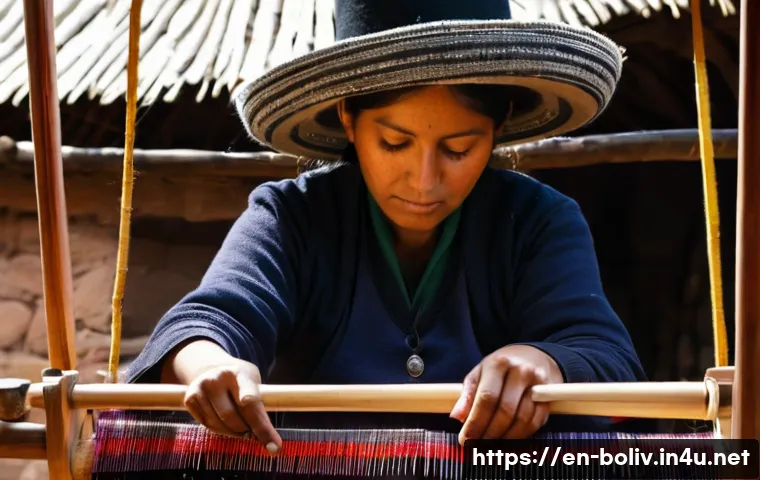
One of the most striking features of indigenous culture is their exquisite textile work. Using natural dyes and hand-spun wool, artisans create intricate patterns that are more than decorative; they’re symbolic maps of identity, history, and social status.
I’ve had the privilege of watching weavers at work, their fingers moving deftly, creating vibrant designs that tell stories passed down through generations.
Jewelry and Adornments as Identity Markers
Jewelry, often crafted from silver and local stones, plays a significant role in social and ceremonial life. Each piece can denote marital status, community belonging, or spiritual significance.
When attending a festival, I noticed how these adornments caught the sunlight, sparkling not just as fashion but as proud declarations of heritage.
Music and Dance: The Soul of Celebration
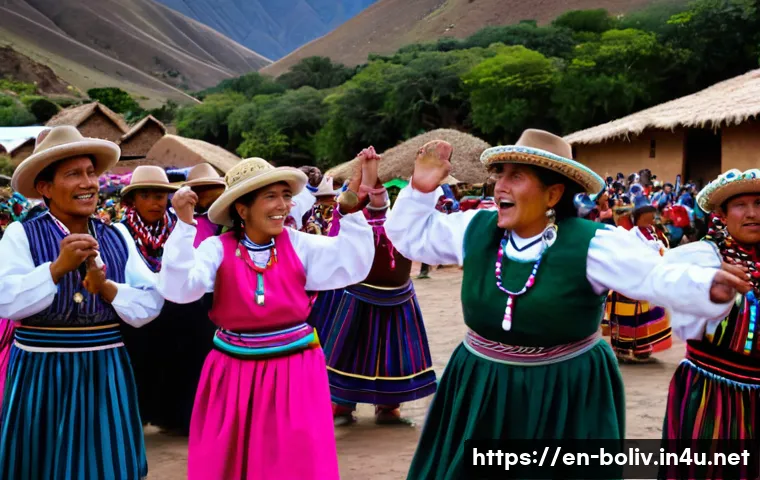
Music and dance are inseparable from indigenous celebrations. Traditional instruments like the charango and panpipes create melodies that echo ancestral spirits.
Dancing is both a communal joy and a sacred act, often performed during rituals to honor Pachamama or mark agricultural milestones. Joining in a local festival, I felt the contagious energy and deep-rooted pride that music inspires.
Community Governance and Social Structure
Collective Decision-Making
Indigenous communities often rely on consensus-based governance, where decisions are made collectively rather than imposed from above. I found this approach refreshingly democratic, with elders guiding discussions but everyone’s voice valued.
This system fosters strong community cohesion and ensures that policies align with local needs and values.
Role of Traditional Authorities
Leaders such as the mallku or yachachiq hold respected roles, blending spiritual guidance with administrative duties. Their authority stems from knowledge, wisdom, and service rather than power.
In my conversations with these leaders, their dedication to preserving culture while navigating modern challenges was clear and inspiring.
Intergenerational Responsibilities
Respect for elders and the transmission of responsibilities across generations form the backbone of social structure. Youth are taught their roles early, whether in farming, crafting, or leadership.
This continuity ensures that traditions remain vibrant and adaptive, not static relics but living practices evolving with time.
Health and Wellness Through Traditional Knowledge
Herbal Medicine and Healing Practices
Indigenous healing often relies on medicinal plants native to the Andes. Shamans or healers use these remedies combined with spiritual rituals to treat ailments.
I had the chance to observe a healing ceremony where the healer’s chants and herbal concoctions created a deeply calming atmosphere, reflecting a holistic approach to health that integrates body, mind, and spirit.
Nutrition Rooted in Local Foods
Diet plays a critical role in wellness, with meals based on nutrient-rich, locally grown foods. Quinoa, potatoes, beans, and native fruits form the staples.
The simplicity and balance of these diets surprised me, especially considering their effectiveness in sustaining health in challenging environments.
Challenges and Adaptations in Modern Healthcare
While traditional practices remain vital, access to modern healthcare is uneven. Some communities face difficulties due to remoteness or language barriers.
However, there’s growing collaboration between indigenous healers and medical professionals, blending the best of both worlds. This hybrid approach helps address health issues while respecting cultural perspectives.
Economic Practices and Sustainable Living
Subsistence and Market Economies
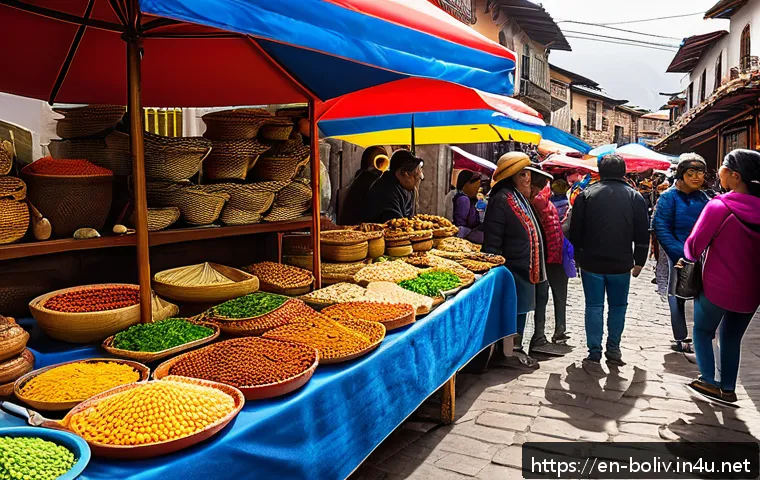
Most indigenous families rely on subsistence farming but also engage in local markets to sell surplus produce or crafts. I noticed how these economies are intertwined with cultural values, avoiding overexploitation and emphasizing sustainability.
Markets are vibrant social hubs where goods, stories, and news are exchanged.
Eco-Friendly Techniques and Resource Management
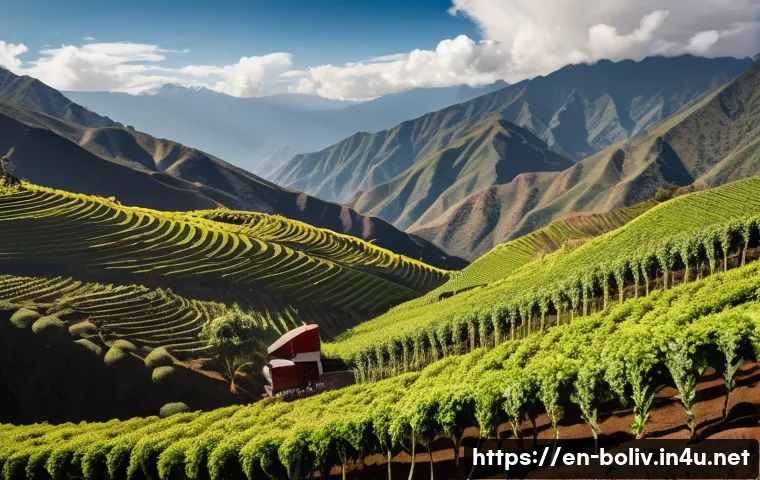
Sustainability isn’t just a buzzword here; it’s a necessity. Techniques like terracing, crop rotation, and water conservation have been refined over centuries.
These methods not only protect the environment but also ensure food security. From personal experience, walking through terraced fields revealed an impressive harmony between human activity and nature’s limits.
Tourism and Cultural Exchange
Increasingly, tourism offers new income streams, but communities are cautious to protect their heritage from exploitation. Guided visits focus on respectful cultural exchange, allowing visitors to learn while supporting local economies.
I found these interactions enriching, as they foster mutual understanding and appreciation.
| Aspect | Description | Community Impact |
|---|---|---|
| Ayni (Reciprocal Labor) | Community members assist each other during labor-intensive periods like planting or harvesting. | Strengthens social bonds and ensures collective survival. |
| Language Preservation | Use of Quechua, Aymara, and Spanish with efforts to revitalize native tongues. | Maintains cultural identity and intergenerational knowledge transfer. |
| Traditional Medicine | Use of local herbs and spiritual healing by shamans. | Offers holistic health solutions respecting cultural beliefs. |
| Craftsmanship | Handmade textiles, jewelry, and musical instruments with symbolic meaning. | Preserves artistic heritage and provides economic opportunities. |
| Governance | Consensus-based decision-making led by respected elders. | Ensures community cohesion and culturally aligned leadership. |
In Conclusion
Exploring indigenous life in Bolivia reveals a profound connection between people, nature, and culture. Their daily rhythms, language, crafts, and governance all reflect a harmonious balance rooted in tradition. These communities offer valuable lessons on sustainability, community, and respect for heritage. Experiencing their way of life firsthand has deepened my appreciation for resilience and cultural richness.
Useful Information to Keep in Mind
1. Indigenous farming follows natural cycles and ancestral calendars, emphasizing a deep bond with the environment.
2. Community labor practices like ayni foster strong social ties and collective support during critical work periods.
3. Preserving native languages is vital for maintaining cultural identity and passing wisdom across generations.
4. Traditional crafts and ceremonies carry symbolic meaning that strengthens cultural pride and economic opportunities.
5. Sustainable practices and respectful tourism help protect indigenous heritage while supporting local livelihoods.
Key Takeaways
Understanding indigenous communities means recognizing their holistic approach to life, where nature, spirituality, and social structures intertwine. Their reliance on consensus governance ensures inclusive decision-making, while traditional knowledge in medicine and agriculture promotes health and sustainability. Supporting language preservation and ethical cultural exchange is essential to keeping these vibrant traditions alive in a changing world.
Frequently Asked Questions (FAQ) 📖
Q: What are some traditional practices that indigenous communities in Bolivia still follow today?
A: Indigenous communities in Bolivia continue to engage in traditional agricultural methods, such as terracing and crop rotation, which have been passed down for generations.
They also observe spiritual rituals closely tied to nature, like offerings to Pachamama (Mother Earth) during planting and harvest seasons. These customs not only preserve their cultural identity but also maintain a sustainable relationship with their environment.
Q: How do indigenous languages influence daily life in Bolivian communities?
A: Many indigenous people in Bolivia speak languages like Quechua, Aymara, and Guarani, which play a vital role in preserving their heritage. These languages are used in everyday communication, storytelling, and ceremonies, reinforcing social bonds within the community.
For outsiders, understanding or hearing these languages offers a deeper appreciation of the community’s worldview and values.
Q: What challenges do indigenous communities in Bolivia face in the modern world?
A: Despite their resilience, indigenous groups in Bolivia often encounter challenges such as limited access to education, healthcare, and economic opportunities.
Additionally, pressures from urbanization and resource exploitation threaten their traditional lands and ways of life. However, many communities actively advocate for their rights and work to balance modern needs with cultural preservation.