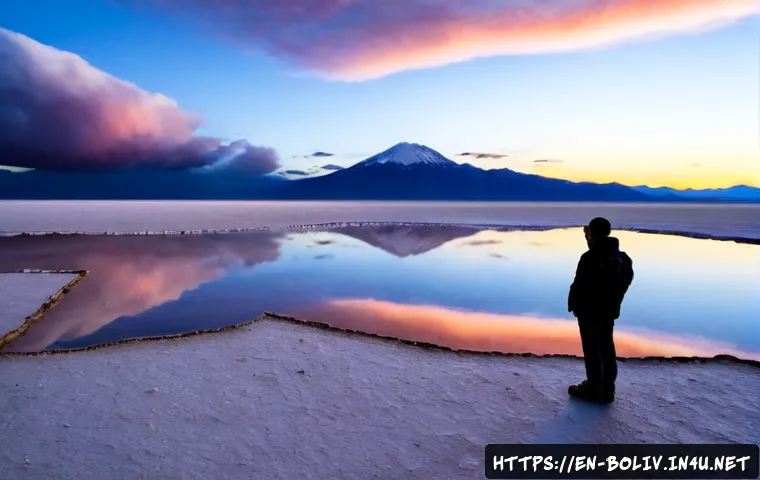
Bolivia’s most remarkable natural phenomena are the seasonal mirror surface of Salar de Uyuni, the colorful lagoons and geothermal landscapes of the Altiplano, and the eroded formations near La Paz.
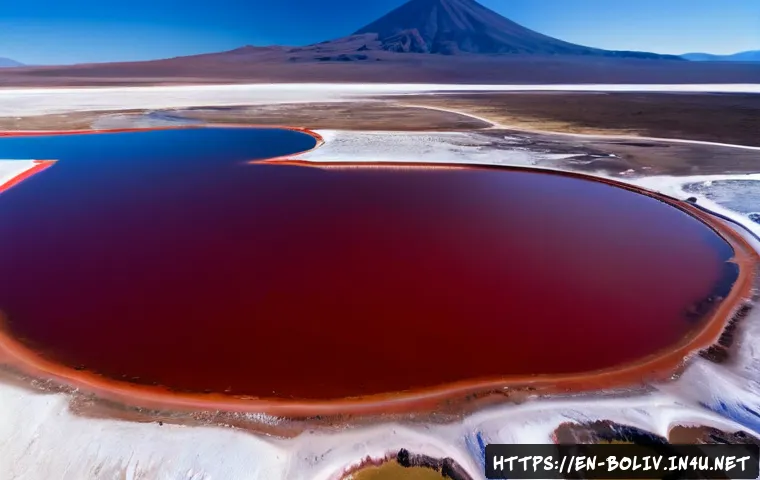
The best choice depends on whether you prioritize mirror-style photography, a remote 4×4 adventure, or a shorter day trip with less time on the road. Salar de Uyuni is especially appealing in rainy conditions, while multi-day routes through Eduardo Avaroa Andean Fauna National Reserve combine deserts, lagoons, geysers, and volcanic scenery.
Because these areas are high, cold, and widely spaced, a guided tour is often the practical option rather than an add-on. Compare route length, vehicle standards, lodging, meals, and altitude planning before choosing a group or private departure.
At a Glance
- Salar de Uyuni: choose rainy conditions for the possible reflective surface, or drier conditions for broad salt-flat landscapes and easier route planning.
- Altiplano lagoons and geysers: allow multiple days and expect remote 4×4 travel, cold nights, and high-altitude conditions.
- Valle de la Luna: a practical option near La Paz for travelers who want unusual rock formations without a remote expedition.
| Destination | Ideal Conditions | Typical Tour Format | Comfort Level | Key Planning Consideration |
|---|---|---|---|---|
| Salar de Uyuni | Rainy conditions for a possible mirror effect; drier conditions for salt-flat views | Guided day trip or 4×4 route | Varies by operator and itinerary | The mirror effect cannot be guaranteed for a specific date |
| Eduardo Avaroa Andean Fauna National Reserve | Clear planning for remote, high-altitude travel | Multi-day organized 4×4 excursion | Often more basic and remote | Long distances, cold conditions, and altitude readiness matter |
| Laguna Colorada and Sol de Mañana | Travelers comfortable with early starts and changing natural conditions | Usually part of a broader Altiplano route | Remote-route comfort expectations | Color, weather, sulfur smells, and route conditions can vary |
| Valle de la Luna near La Paz | Visitors looking for a shorter outing | Shorter visit or day-trip style plan | Less expedition-focused | Useful if time is limited, though La Paz altitude still deserves attention |
The Short Answer: Bolivia’s Most Unusual Landscapes at a Glance
Bolivia offers several very different natural landscapes, so it helps to choose by time available, altitude comfort, and the kind of scenery you actually want to see. The salt flats are the best-known choice, but the larger Altiplano route delivers a more varied experience: high deserts, volcanic terrain, colorful lagoons, and geothermal activity. Travelers with limited time can still see unusual formations close to La Paz.
Salar de Uyuni and the Seasonal Mirror Landscape
Salar de Uyuni is the world’s largest salt flat. During the rainy season, shallow water can create the famous reflective surface that makes the horizon appear to disappear. This is a major reason travelers compare Uyuni tours, but it is important to book with realistic expectations: the strength of the mirror effect depends on natural conditions and cannot be promised on a particular day.
If mirror photography is your priority, ask an operator how the planned route changes when water is present. If your priority is open salt-flat scenery and a more predictable overland route, drier conditions may suit you better. A guided Uyuni salt-flat tour can be a straightforward choice for first-time visitors, provided the itinerary clearly explains transport, meals, stops, and accommodation.
Colorful Lagoons, Geysers, and High-Altitude Deserts
Eduardo Avaroa Andean Fauna National Reserve is where Bolivia’s scenery becomes more remote and demanding. Its high-altitude deserts, volcanic landscapes, lagoons, and geothermal areas are commonly explored on organized 4×4 routes because distances are long and road conditions can be challenging.
Laguna Colorada is known for reddish tones that can change with natural conditions, including sediments and microorganisms. Sol de Mañana offers a very different scene: steam vents, bubbling mud pools, and strong sulfur smells. These places are visually dramatic, but they are not casual roadside stops. A multi-day Altiplano tour needs a vehicle plan, realistic transfer expectations, and preparation for cold nights.
Eroded Rock Formations Near La Paz
Valle de la Luna near La Paz shows what wind and rain can do to clay and sandstone over time. Its eroded formations offer a different kind of natural wonder from the huge, open landscapes of Uyuni. It is a sensible choice for travelers who want a shorter experience and do not have room in their itinerary for a remote 4×4 expedition.
It is still wise to pace yourself around La Paz. A shorter visit does not remove the need to pay attention to how you feel at altitude.
Which Natural Phenomenon Fits Your Travel Style?
The right Bolivia itinerary is less about finding one “best” destination and more about matching the route to your priorities. Photography, comfort expectations, available days, and tolerance for remote travel should shape the booking decision.
Best Choices for Photographers and First-Time Visitors
For photographers, Salar de Uyuni has the clearest seasonal trade-off. Rainy conditions may bring the reflective shallow-water scene; drier conditions emphasize the scale and texture of the salt flat. First-time visitors often benefit from a guided format because the logistics are simpler than arranging remote transport independently.
If photographs are important, do not book only from one image. Ask whether the itinerary is flexible enough to respond to weather and whether the operator describes seasonal conditions honestly. A private Uyuni tour may be worth comparing for couples or photographers who want more control over pacing and stops, but the natural result still cannot be guaranteed.
Best Choices for Adventure-Focused Travelers
The reserve route is the stronger fit for travelers who want several landscape types in one trip. A 4×4 multi-day excursion can include high-altitude deserts, volcanic scenery, lagoons, and geothermal areas in a single overland journey. The trade-off is simple: more variety usually means more time in the vehicle and fewer comfort conveniences.
Choose this route if you can accept early starts, remote conditions, and a schedule built around long distances. Before booking, compare whether a group departure or a private 4×4 tour better fits your travel pace.
Best Options for Travelers Who Prefer Shorter Day Trips
Valle de la Luna is the more practical choice for visitors based near La Paz or travelers with a tight schedule. It provides unusual terrain without requiring a multi-day salt-flat itinerary. It is not a substitute for Uyuni’s vast scale, but it can be the better decision when the goal is a shorter, lower-logistics natural attraction.
Compare Seasons, Tour Formats, and Trip Value
A good-value Bolivia nature tour is not automatically the cheapest advertised option. Value comes from choosing conditions that match your goal, then comparing what is actually included in the route.
Rainy Season Versus Dry Season at the Salt Flats
Rainy conditions can produce Salar de Uyuni’s reflective surface. That is the central advantage for travelers seeking mirror-style images. However, water levels and weather vary, so a specific visual outcome should never be treated as guaranteed.
Drier conditions may better suit travelers who want classic salt-flat views and a simpler focus on wide-open terrain. The practical question is not which season is universally better. It is whether you would rather prioritize the possibility of reflections or a different salt-flat experience with fewer expectations tied to water.
Group 4×4 Tour, Private Tour, or Custom Itinerary
A group 4×4 tour can suit travelers who are comfortable sharing a fixed route and timetable. A private tour can make more sense for couples, photographers, or visitors with limited time who value a more tailored pace. A custom route may be useful when you need to align the itinerary with transport connections, lodging preferences, or particular landscape priorities.
Private does not automatically mean safer or better. Ask the same practical questions in every format: what vehicle is used, how is it maintained, who leads the route, where does the group sleep, and what happens if weather or road conditions require a change?
What Affects the Total Cost Beyond the Advertised Tour Price
When comparing guided Uyuni tours or Altiplano excursions, look beyond the headline rate. The real comparison may include accommodation level, meal inclusions, pickup and drop-off arrangements, vehicle comfort, route length, guide support, and any separately required travel arrangements. Travel insurance, altitude-ready lodging before or after the route, and itinerary changes can also affect the overall budget.
Check the full inclusion list before paying. Exact prices, border fees, hotel availability, and seasonal access can change, so confirm the current details directly with the provider.
Planning for Altitude, Weather, and Remote Travel
Bolivia’s high-altitude landscapes are rewarding, but the environment deserves respect. The Uyuni region is at high altitude, and altitude symptoms can affect visitors differently.
Altitude Acclimatization and Realistic Pacing
Build a plan that leaves room to adjust rather than rushing straight into a demanding route. There is no single response to altitude, so avoid assuming that fitness alone predicts how you will feel. If you have health concerns or develop symptoms that worry you, seek appropriate professional advice rather than relying on a tour schedule.
When reviewing an itinerary, look for realistic pacing. A route with very tight transfers may leave little flexibility if you need rest or if conditions change.
Cold Mornings, Sun Exposure, and Essential Gear
High-altitude desert travel can mean cold nights and cold mornings, along with strong sun exposure during the day. Pack layers that can be added or removed easily, sun protection, and items that make long vehicle days more comfortable. Do not assume every 4×4 tour provides the same level of warmth, storage, or accommodation comfort.
Questions to Ask a Tour Operator Before Booking
- What vehicle will be used, and how are vehicle safety and maintenance handled?
- What accommodation and meals are included on the route?
- How much time is spent driving each day, and how flexible is the schedule?
- What is the plan for weather changes, road issues, or an altered route?
- What altitude support or practical guidance is available for guests?
- What are the current cancellation terms and required travel documents?
Common Mistakes When Visiting Bolivia’s Remote Landscapes
Most avoidable problems come from treating a remote high-altitude route like a simple sightseeing excursion. A little comparison before booking can prevent a disappointing or overly exhausting itinerary.
Booking Around Photos Rather Than Seasonal Conditions
The mirror effect at Salar de Uyuni is real, but it is seasonal and condition-dependent. Booking solely for a perfect reflection photo can create unrealistic expectations. A better approach is to decide whether you will still enjoy the salt flats if the water, weather, or visual conditions differ from the images you have seen.
Choosing a Route With Unrealistic Transfer Times
Remote Altiplano attractions are separated by long distances, and road conditions can be challenging. An itinerary that tries to fit every location into too little time may become mostly a vehicle journey. Review the route sequence and ask how much driving is involved before committing to a multi-day 4×4 excursion.
Ignoring Accommodation and Vehicle-Comfort Differences
Not every organized tour offers the same overnight setup, meals, vehicle space, or level of support. This matters even more in cold, high-altitude areas. Compare the accommodation description and vehicle details instead of assuming that similarly named routes provide a similar experience.
Choosing a Bolivia Nature Tour: Final Comparison Checklist
Before selecting a Bolivia nature tour, use these decision points:
- Choose the landscape first: Salar de Uyuni for salt-flat scale and possible reflections; the reserve for a broader high-altitude expedition; Valle de la Luna for a shorter La Paz-area visit.
- Match the route to your available days: do not choose a multi-day Altiplano route if long transfers will undermine the rest of your itinerary.
- Compare group, private, and custom-route options: shared departures may suit fixed plans, while private travel can be useful for flexible pacing or photography priorities.
- Review inclusions carefully: check lodging, meals, pickup arrangements, vehicle standards, and cancellation terms.
- Plan for altitude and weather: prioritize realistic pacing, cold-weather gear, sun protection, and a provider that communicates route changes clearly.
Compare the operator’s full itinerary, current conditions, and booking terms on the relevant tour page before you reserve.
Final Thoughts
Bolivia’s natural phenomena are most rewarding when the trip is planned around conditions rather than a single idealized image. Salar de Uyuni, the high-altitude lagoons and geothermal fields, and Valle de la Luna each offer a distinct experience. Choose the route that fits your time, comfort expectations, and interest in remote travel. A clear comparison of 4×4 tours, lodging, and altitude planning will usually matter more than chasing the shortest itinerary or the lowest advertised price.
Useful Things to Know
1. The reflective appearance of Salar de Uyuni depends on rainy-season water conditions.
2. Laguna Colorada’s reddish tones can vary naturally with sediments and microorganisms.
3. Sol de Mañana includes steam vents, bubbling mud pools, and strong sulfur smells.
4. Remote Altiplano sights are commonly visited through organized 4×4 routes because of distance and road challenges.
5. Valle de la Luna offers an alternative for travelers seeking unusual terrain closer to La Paz.
Important Notes
Road conditions, seasonal access, accommodation availability, border requirements, insurance needs, and operator quality can change. Individual responses to altitude and weather also vary. Confirm current entry rules, health guidance, route details, safety practices, and cancellation conditions before booking any Bolivia travel service.
Frequently Asked Questions
Q1. When is the best time to see the mirror effect at Salar de Uyuni?
A1. The mirror effect can form during rainy conditions, when shallow water covers parts of the salt flat. Its strength cannot be guaranteed on a specific date, so choose this period only if you are comfortable with changing natural conditions.
Q2. Is a guided 4×4 tour necessary for Bolivia’s high-altitude lagoons and geysers?
A2. Many remote Altiplano attractions are typically visited on organized 4×4 routes because distances are long and road conditions can be challenging. A guided route can simplify transport and overnight logistics, but travelers should still compare vehicle standards, accommodation, and operator practices.
Q3. How much should travelers budget for a Uyuni tour and related accommodation?
A3. Exact tour prices and accommodation costs can change. Compare the full list of inclusions, such as meals, lodging, transport, pickup arrangements, and route duration, rather than relying only on an advertised starting price. Also allow for travel insurance and other itinerary-related costs where relevant.
Q4. Are Bolivia’s high-altitude natural attractions suitable for first-time visitors?
A4. They can be, provided visitors plan realistically for altitude, cold nights, sun exposure, and long transfers. A guided itinerary with clear details can be easier to manage, but altitude tolerance and weather readiness vary by traveler.