If you’ve been craving a culinary adventure that goes beyond the usual, exploring the vibrant flavors of Cuencano Peruvian and Bolivian cuisine is a must.
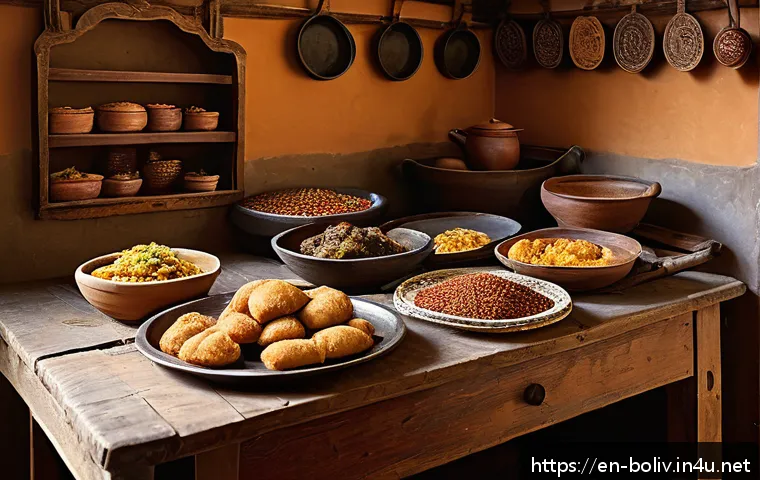
Lately, food enthusiasts have been diving deep into South America’s rich culinary heritage, uncovering surprising contrasts and unique ingredients that define these neighboring cultures.
Whether you’re a seasoned foodie or just curious about authentic dishes, understanding the subtle yet distinct differences between these cuisines offers a delicious journey for your taste buds.
Join me as we uncover the mouthwatering stories and traditions behind each bite, perfect for anyone eager to spice up their dining experiences. This guide promises to be your next favorite food discovery!
Distinctive Ingredients That Define Each Cuisine
Staples and Superfoods: The Heart of the Plate
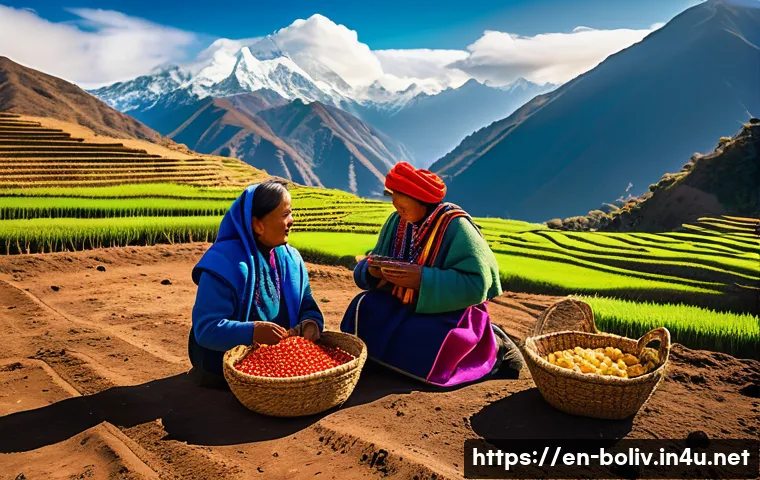
When you dive into Cuencano Peruvian and Bolivian dishes, one of the first things you’ll notice is how both cuisines honor their indigenous roots by highlighting native ingredients.
Peruvian cuisine from Cuenca leans heavily on local corn varieties, fresh seafood, and a variety of potatoes, some of which are heirloom types that you rarely find outside the Andes.
On the other hand, Bolivian dishes showcase hearty grains like quinoa and amaranth, as well as tubers like yuca and oca, which bring a distinct texture and earthiness to their plates.
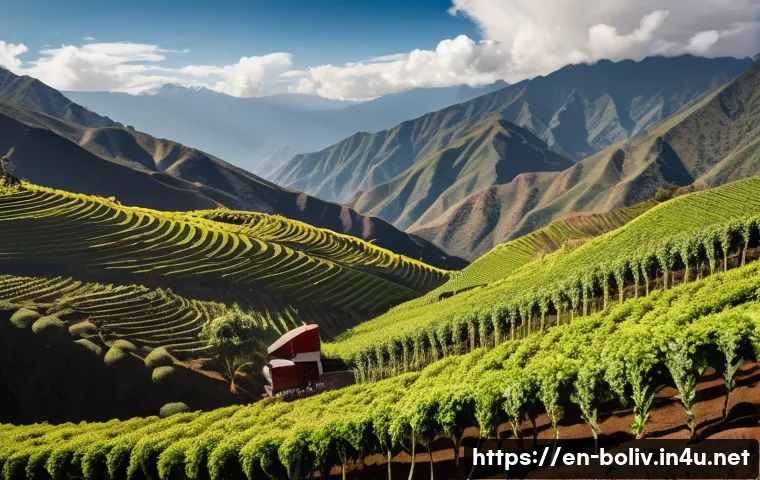
Personally, I find the way these ingredients are used tells a lot about the agricultural history and climate of each region. For example, Cuencano dishes often integrate fresh fish from nearby rivers, giving them a vibrant, light quality, while Bolivian cuisine’s reliance on root vegetables and grains lends a robust, comforting feel.
Herbs and Spices: Subtle Nuances in Flavor Profiles
The seasoning game in both cuisines is subtle but powerful. In Cuencano Peruvian food, you’ll often find ají peppers, which add heat but also a fruity dimension, along with fresh herbs like cilantro and huacatay—a black mint unique to Peru that imparts a slightly sweet, almost anise-like flavor.
In contrast, Bolivian cuisine favors a more restrained spice palette, often relying on cumin, oregano, and a touch of chili. These spices create a warm, rustic flavor that pairs perfectly with their heavier, starchy ingredients.
From my experience, this difference is like comparing two close cousins: both share a family resemblance but express their personality in charmingly distinct ways.
Cooking Techniques: Tradition Meets Innovation
Both cuisines blend traditional methods with modern twists, but the approach varies. Cuencano Peruvian cooking often uses steaming and frying techniques to highlight fresh ingredients, resulting in dishes that balance crispy textures with vibrant sauces.
For instance, ceviche here is a star—fresh fish cured in citrus with a hint of chili, which feels refreshing and light. Bolivian cuisine, meanwhile, tends to focus on slow cooking, like braising and stewing, that enhances the deep flavors of meat and legumes.
Dishes such as salteñas (savory pastries) or mondongo (a tripe stew) showcase this slow, hearty style. Having tried both, I appreciate how the Peruvian flair feels like a celebration of freshness, while Bolivian meals wrap you in comfort and warmth.
Signature Dishes That Capture Cultural Essence
Cuenca’s Culinary Gems: From River to Plate
One of the standout dishes in Cuenca is “Seco de Chivo,” a goat stew simmered with beer and cilantro that delivers a rich, tangy flavor unlike any other.
I remember tasting it for the first time and being struck by how the meat was tender yet packed with a zesty punch. Another favorite is “Ceviche Cuencano,” which differs from coastal Peruvian ceviche by incorporating local river fish and a more herbal marinade.
These dishes aren’t just meals; they’re stories passed down through generations, reflecting Cuenca’s unique geographical and cultural setting.
Bolivian Classics: Comfort in Every Bite
Bolivia’s culinary pride shines in dishes like “Pique a lo Macho,” a spicy meat and potato platter that’s perfect after a long day exploring the highlands.
I’ve found it to be a great example of how Bolivian food embraces hearty, filling ingredients with bold seasoning. Another dish, “Salteñas,” are juicy empanadas filled with meat, vegetables, and a slightly sweet sauce, offering a delicious contrast of textures and flavors.
Sharing these dishes with locals, I noticed how food is deeply tied to community and celebration in Bolivia, making every bite feel like a shared experience.
Exploring Fusion and Modern Interpretations
Both Cuencano Peruvian and Bolivian cuisines are evolving as chefs experiment with fusion, blending traditional flavors with international influences.
In Cuenca, you’ll find restaurants infusing French or Asian techniques into classic dishes, like using miso in a marinade or serving ceviche with a side of quinoa salad.
Bolivia’s food scene is also thriving with innovation, especially in cities like La Paz, where gourmet versions of traditional dishes highlight local ingredients with contemporary plating.
From my visits, these modern takes don’t stray far from authenticity but rather amplify the depth and versatility of their culinary heritage.
How Meal Structures Reflect Lifestyle and Culture
Cuenca’s Meal Rhythm: Light and Social
In Cuenca, meals tend to be lighter but frequent, often emphasizing fresh produce and balanced portions. Lunch is usually the main meal, enjoyed slowly with family or friends, often accompanied by fresh fruit juices or chicha morada, a purple corn drink.
I’ve noticed that this reflects a lifestyle that values connection and savoring food as a social experience. The frequent small meals also keep energy steady throughout the day, which is important in the city’s mild climate.
Bolivian Meal Patterns: Robust and Sustaining
Bolivian meal patterns skew toward heavier, sustaining dishes, especially given the country’s high-altitude regions where hearty food supports physical endurance.
Breakfast might include api (a hot corn-based drink) and salteñas, while lunch is substantial, often involving stews or grilled meats. Dinner tends to be lighter but still flavorful.
From my experience, this structure reflects the traditional lifestyle where food fuels long, labor-intensive days in agriculture or mining.
Social and Festive Eating Traditions
Both cultures celebrate food through festivals and communal meals, but the styles differ. Cuenca’s festivals often feature street food stalls with quick, flavorful bites, encouraging mingling and movement.
Bolivian festivals, such as the Alasitas fair, involve elaborate offerings and shared feasts that reinforce social bonds and cultural identity. I’ve found these gatherings to be immersive ways to appreciate how food goes beyond sustenance—it’s a core part of cultural expression.
Comparing Flavor Profiles and Culinary Techniques
| Aspect | Cuencano Peruvian Cuisine | Bolivian Cuisine |
|---|---|---|
| Main Ingredients | Fresh river fish, native potatoes, corn, ají peppers | Quinoa, yuca, oca, beef, pork |
| Spices and Herbs | Ají peppers, cilantro, huacatay | Cumin, oregano, mild chili |
| Cooking Methods | Steaming, frying, marinating (ceviche) | Slow cooking, braising, baking (salteñas) |
| Typical Dishes | Seco de Chivo, Ceviche Cuencano, Llapingachos | Pique a lo Macho, Salteñas, Mondongo |
| Meal Characteristics | Light, fresh, often citrus-based | Hearty, robust, warming |
Unique Beverages That Complement the Meals
Refreshing Flavors from Cuenca’s Rivers
Cuenca’s beverage scene is a refreshing complement to its cuisine, with drinks like chicha morada—a sweet, spiced purple corn drink—that pairs beautifully with the tangy, fresh dishes.
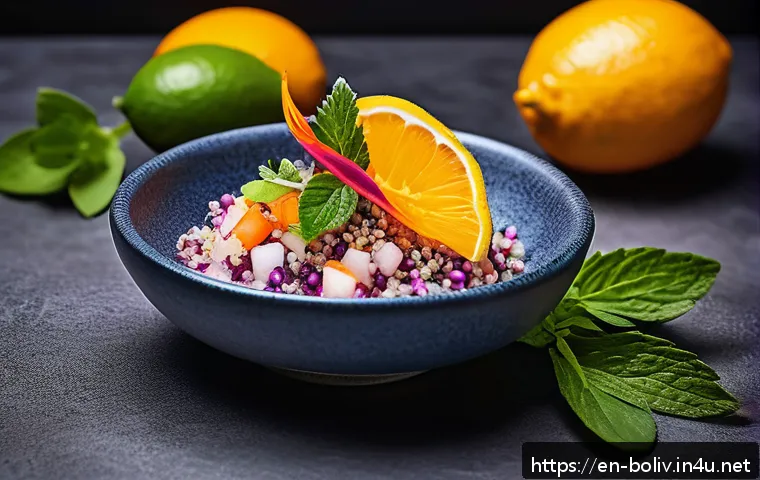
I tried it alongside a ceviche platter and found it balanced the acidity perfectly, cleansing the palate between bites. Additionally, local fruit juices made from passion fruit or guava are staples, offering natural sweetness without overpowering the meal.
Bolivian Traditional Drinks: Warm and Invigorating
In Bolivia, beverages tend to match the climate and terrain, often warming and hearty. Api, a thick hot corn drink spiced with cinnamon and cloves, is a breakfast favorite that feels like a hug in a mug.
Another popular drink is singani, a distilled spirit often mixed into cocktails or enjoyed neat. Sampling these drinks, I was struck by how they enhance the overall dining experience, grounding the meal in local tradition and comfort.
Modern Twists on Classic Beverages
Both cuisines have embraced modern mixology and creative twists on traditional drinks. In Cuenca, bartenders might add herbs or exotic fruits to chicha morada cocktails, while Bolivian bars are experimenting with singani-based concoctions that appeal to younger crowds.
From my visits, these innovations feel like a celebration of heritage that’s open to new ideas, perfect for adventurous palates looking to explore beyond the plate.
Exploring Regional Variations Within Each Cuisine
Cuenca’s Local Flavors Compared to Coastal Peru
While Cuencano cuisine shares some traits with Peru’s coastal food, it has its own identity rooted in the highlands and river valleys. Unlike Lima’s ceviche, which often uses ocean fish and is sharply acidic, Cuenca’s version tends to be milder and incorporates mountain herbs and freshwater fish, creating a more balanced flavor.
This regional nuance reflects the city’s geography and climate, offering a taste experience that feels both familiar and uniquely local.
Bolivia’s Diverse Culinary Landscape
Bolivia’s cuisine is incredibly diverse, influenced by altitude and indigenous cultures. For example, dishes from the Altiplano are heavier and based on potatoes and llama meat, while the Amazonian region features fish and tropical fruits.
Cuencano Peruvian food has less of this altitudinal variation, focusing more on river and highland ingredients. From exploring markets and street food stalls, I learned how these regional differences shape daily eating habits and festive foods alike.
How Migration and History Shape Flavors
Both cuisines have been shaped by waves of migration and cultural exchange. Cuenca’s food reflects Spanish, indigenous, and even African influences, blending them into a harmonious whole.
Bolivia’s culinary history includes indigenous Aymara and Quechua traditions alongside Spanish colonial elements. Experiencing these dishes firsthand made me appreciate how history isn’t just in textbooks—it’s alive in every bite, telling stories of resilience, adaptation, and celebration.
The Role of Street Food in Everyday Culture
Cuenca’s Vibrant Street Food Scene
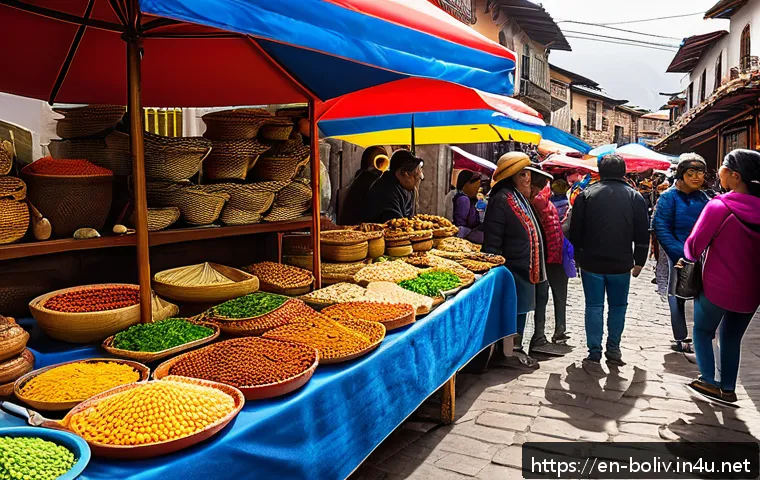
Walking through Cuenca’s bustling streets, street food is everywhere—from vendors selling humitas (steamed corn cakes) wrapped in corn husks to stands offering freshly fried chicharrón (pork).
I loved how accessible and affordable these bites are, making it easy to snack while exploring. The flavors are bold yet approachable, often featuring bright ají sauces and fresh herbs that make each mouthful exciting.
Bolivian Street Eats: Hearty and Flavorful
In Bolivia, street food leans toward more substantial snacks like salteñas and anticuchos (grilled meat skewers). These are perfect for grabbing on the go but are packed with complex flavors and spices.
Sharing a plate of anticuchos in La Paz with locals gave me a sense of how food connects people in everyday life, turning simple moments into memorable experiences.
Social Impact and Food Accessibility
Both street food cultures play a vital role in social life and food accessibility. They provide affordable nourishment and preserve culinary traditions outside formal restaurants.
From what I’ve seen, this accessibility encourages community interaction and keeps traditional recipes alive, making street food a cornerstone of cultural identity in both Cuenca and Bolivia.
In Conclusion
Exploring Cuencano Peruvian and Bolivian cuisines reveals a rich tapestry of flavors deeply rooted in geography, history, and culture. Each offers a unique culinary journey—from the fresh, vibrant tastes of Cuenca to the hearty, comforting dishes of Bolivia. Experiencing these foods firsthand truly highlights how tradition and innovation blend to shape unforgettable dining moments.
Helpful Tips to Remember
1. Try dishes featuring native ingredients like quinoa, ají peppers, and heirloom potatoes to get an authentic taste of each region.
2. Don’t miss out on local beverages such as chicha morada in Cuenca or api in Bolivia—they perfectly complement the meals.
3. Embrace street food for an affordable and immersive cultural experience, offering bold flavors and community connection.
4. Pay attention to meal structures; lighter, frequent meals in Cuenca contrast with Bolivia’s hearty, sustaining portions, reflecting local lifestyles.
5. Explore modern fusion dishes to see how chefs creatively honor tradition while introducing new flavors and techniques.
Key Takeaways
Both Cuencano Peruvian and Bolivian cuisines celebrate their indigenous roots through distinctive ingredients and cooking methods. Cuenca’s cuisine tends to highlight fresh, light preparations with vibrant herbs and seafood, while Bolivian food embraces slow-cooked, robust dishes featuring hearty grains and tubers. Understanding these differences enriches your appreciation of how food reflects cultural identity, environment, and history in meaningful ways.
Frequently Asked Questions (FAQ) 📖
Q: What are the key differences between Cuencano Peruvian and Bolivian cuisines?
A: While both cuisines share some South American roots, Cuencano Peruvian food often highlights coastal influences with fresh seafood, zesty citrus flavors, and a balance of spicy and savory elements.
Bolivian cuisine, on the other hand, leans more on hearty, highland ingredients like potatoes, corn, and quinoa, with earthy spices and rustic cooking techniques.
Cuencano dishes might surprise you with their bright, bold tastes, whereas Bolivian meals tend to be comforting and rich in tradition.
Q: Which signature dishes should I try to experience authentic Cuencano Peruvian and Bolivian flavors?
A: For Cuencano Peruvian cuisine, don’t miss out on dishes like Ceviche Cuencano—a tangy seafood delight marinated in lime juice and local peppers—and Seco de Chivo, a slow-cooked goat stew bursting with herbs and spices.
In Bolivia, try Salteñas, which are savory pastries filled with meat, vegetables, and a slightly sweet, spicy sauce, or Pique a lo Macho, a sizzling plate of beef, sausage, peppers, and potatoes.
These dishes really capture the soul of each culture’s culinary heritage.
Q: Are there any unique ingredients common in Cuencano Peruvian and Bolivian cooking that I might not find elsewhere?
A: Absolutely! Cuencano Peruvian cuisine often features ingredients like achiote (annatto seeds) for color and flavor, and a variety of native chili peppers that add subtle heat without overwhelming the dish.
Bolivian cooking frequently uses chuño, which is freeze-dried potato, as well as quinoa and amaranth, ancient grains packed with nutrition. These ingredients reflect the diverse ecosystems and indigenous traditions of each country, offering a taste experience that’s truly one-of-a-kind.