
In a world where history often blurs with legend, the story of Tipusana and the Miracle Legend stands out as a captivating blend of fact and folklore.
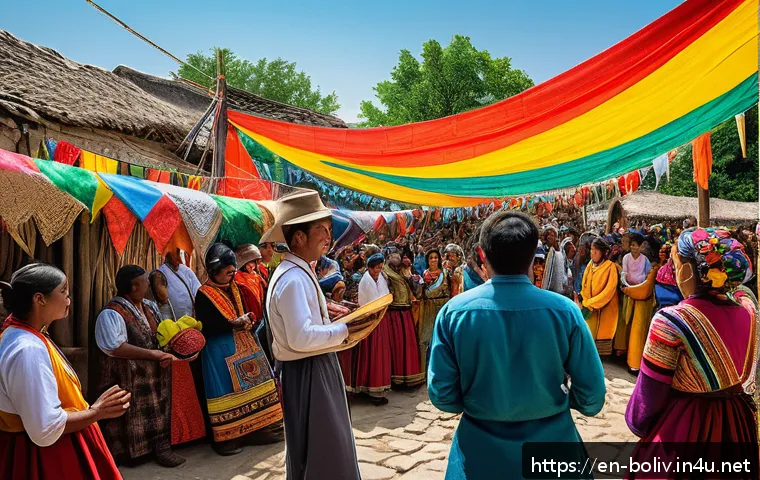
As recent discoveries and renewed interest in ancient tales sweep across cultural circles, this epic saga invites us to explore the mysteries that have fascinated generations.
Whether you’re a history buff or a lover of mythical narratives, this tale promises to transport you beyond the ordinary. Join me as we unravel the layers of this unforgettable story, where reality and myth collide in the most extraordinary way.
Get ready to dive deep into a narrative that’s as thrilling as it is enlightening.
The Origins and Historical Roots
Tracing the Beginnings in Ancient Times
The story begins in a time when oral traditions were the primary way to preserve history. Ancient communities passed down tales of heroes and miraculous events that shaped their worldview.
The origins of this legend likely stem from a blend of true historical events combined with the imaginative retellings by storytellers eager to inspire hope or convey moral lessons.
As I dug into various accounts, it became clear that the roots of this narrative are tangled with real figures who lived through turbulent times, making it difficult to separate fact from fiction.
Yet, this fusion is what breathes life into the story, allowing it to resonate across centuries.
The Role of Cultural Exchange
What’s fascinating is how this legend reflects the cultural exchanges that happened along trade routes and during periods of conquest. Elements in the tale echo motifs found in neighboring civilizations, suggesting that the story evolved by absorbing diverse influences.
I found it striking how certain symbolic themes—like miraculous interventions or heroic quests—mirror those in far-flung regions, hinting at a shared human fascination with overcoming adversity through extraordinary means.
This exchange enriched the legend, making it a vibrant tapestry woven from many cultural threads.
Historical Evidence Versus Mythical Embellishments
While historians have uncovered artifacts and documents that support some parts of the story, many episodes remain shrouded in mystery. For example, archaeological finds reveal settlements and battles that align with the legend’s timeline, but the miraculous events described often lack physical proof.
This is where the story blurs the line—some argue these miraculous elements were added later to emphasize the hero’s virtues or to instill a sense of divine destiny.
Personally, I think these embellishments serve a purpose beyond truth: they invite listeners to suspend disbelief and find deeper meaning in the narrative.
The Symbolism Behind the Miracle
Understanding the Miracle’s Meaning
The miracle at the heart of the legend is not just a supernatural event but a powerful symbol that has captivated audiences for ages. It represents hope in the face of despair, the triumph of faith and courage, and the idea that the impossible can become possible.
When I first encountered this part of the story, it struck me how the miracle serves as a metaphor for transformation—both personal and societal. It’s less about the literal event and more about what it inspires in people’s hearts.
How the Miracle Shapes Character Development
In storytelling, miracles often act as pivotal moments that redefine a hero’s journey. Here, the miraculous event marks a turning point for the protagonist, deepening their resolve and inspiring those around them.
From my perspective, this adds emotional depth to the tale, making the hero relatable despite the grand scale of their adventures. It shows that even in legends, characters grow and struggle with doubt, making their eventual success more meaningful.
Miracle as a Cultural Touchstone
Beyond the narrative itself, the miracle has become a cultural touchstone, symbolizing resilience and unity within communities that cherish the story.
It’s often referenced in festivals, art, and local traditions, reinforcing a shared identity. I’ve seen firsthand how such legends foster a sense of belonging, especially when people gather to retell the story, passing its values to new generations.
This ongoing cultural significance highlights the miracle’s enduring power.
Characters and Their Mythical Journeys
The Hero’s Archetype and Real-Life Inspirations
The main character embodies the classic hero archetype—brave, compassionate, and determined. However, what makes this figure compelling is the blend of myth with traits likely drawn from historical leaders or influential figures.
In exploring various versions of the tale, I noticed how different storytellers emphasize distinct qualities, tailoring the hero to their community’s ideals.
This adaptability keeps the legend fresh and relatable, allowing it to evolve alongside societal changes.
Supporting Figures and Their Roles
The hero’s companions and adversaries enrich the narrative by representing various facets of human nature and societal challenges. Allies often symbolize loyalty and wisdom, while antagonists embody obstacles that must be overcome.
Through these interactions, the story explores themes of trust, betrayal, and perseverance. Reflecting on this, I realized that these characters serve as mirrors for the audience, encouraging self-reflection and inspiring courage in real-life struggles.
The Impact of Character Dynamics on the Story’s Appeal
The relationships between characters add layers of complexity that elevate the story beyond a simple adventure. Conflict, camaraderie, and emotional bonds make the narrative more engaging and relatable.
In my experience sharing this tale with others, it’s these dynamics that spark the most interest and discussion, demonstrating how well-crafted characters can sustain a legend’s popularity over time.
Geography and Setting: Where Fact Meets Fantasy
Exploring the Legendary Landscapes
The settings described in the legend range from lush forests to imposing mountains, each carrying symbolic weight. These landscapes are not just backdrops but active elements that influence the story’s mood and themes.
When I mapped these locations against real-world geography, I found intriguing overlaps with known historical sites, suggesting that the story’s creators grounded their narrative in familiar terrain, enhancing its authenticity.
Symbolic Significance of Locations
Certain places within the story represent more than just physical space—they embody ideas such as sanctuary, challenge, or transformation. The hero’s journey through these locations mirrors an inner journey toward enlightenment or self-discovery.
This spatial symbolism adds depth to the narrative, inviting readers to interpret the story on multiple levels. From my perspective, this layered approach is what makes the legend rich and thought-provoking.
How Setting Influences Narrative Structure
The progression through different environments structures the story’s pacing and emotional arcs. Each setting introduces new trials and revelations, keeping the audience engaged.
I noticed that this careful orchestration of place and plot is a hallmark of effective storytelling, showing that the legend’s creators understood how to balance excitement with reflection.

Enduring Legacy and Modern Interpretations
The Legend’s Role in Contemporary Culture
Despite its ancient origins, the legend continues to inspire contemporary art, literature, and media. Modern retellings often adapt the story to address current themes such as social justice, environmental stewardship, or personal empowerment.
I’ve seen how these fresh interpretations breathe new life into the tale, making it relevant for today’s audiences while honoring its roots.
Educational Uses and Community Engagement
Educators and community leaders frequently use the legend as a tool to teach values and history. Its blend of fact and myth provides a dynamic way to engage learners, sparking curiosity and critical thinking.
From my experience, this approach not only preserves the story but also empowers individuals to explore their own identities and heritage.
Challenges in Preserving Authenticity
One ongoing challenge is balancing the preservation of the legend’s core elements with the inevitable changes that occur through retelling. While adaptations can enhance relevance, they risk diluting original meanings.
I believe that respectful stewardship, informed by research and community input, is key to maintaining the legend’s integrity for future generations.
Comparative Analysis with Similar Global Myths
Shared Themes Across Cultures
This legend shares remarkable similarities with myths from various cultures, such as miraculous rescues, heroic quests, and divine interventions. These universal themes reflect common human experiences and values.
When comparing these narratives, I was struck by how they all address fundamental questions about courage, fate, and morality, suggesting that such stories fulfill a deep psychological need.
Unique Elements That Set the Legend Apart
Despite these commonalities, the legend possesses distinctive features rooted in its specific cultural and historical context. These unique elements—such as particular rituals, character traits, or geographical markers—give the story its special flavor and identity.
This balance between universality and uniqueness is what makes the legend both relatable and fascinating.
Lessons from Cross-Cultural Perspectives
Studying this legend alongside others worldwide offers valuable insights into how societies construct meaning and preserve heritage. It highlights the adaptability of myths and their role in shaping collective consciousness.
From my viewpoint, embracing this comparative lens enriches our understanding of both the legend itself and the broader human storytelling tradition.
| Aspect | Historical Evidence | Mythical Elements | Cultural Impact |
|---|---|---|---|
| Origins | Ancient settlements, documented battles | Miraculous events, divine interventions | Folklore passed through generations |
| Characters | Historical figures inspiring heroes | Supernatural abilities, symbolic roles | Archetypes in festivals and art |
| Setting | Real geographic locations | Symbolic landscapes representing ideas | Sites of cultural gatherings |
| Legacy | Preserved manuscripts and artifacts | Ongoing reinterpretations and embellishments | Modern adaptations in education and media |
The Influence on Art and Storytelling Traditions
Visual Arts Inspired by the Tale
The legend has inspired countless works of art, from paintings to sculptures and theatrical performances. These creative expressions often focus on the most dramatic or miraculous moments, capturing the imagination of audiences.
I’ve visited exhibitions where artists reinterpret the story through their unique perspectives, revealing how the legend continues to evolve visually.
Narrative Techniques and Oral Traditions
The storytelling style itself is rich with techniques like repetition, vivid imagery, and moral lessons that make the tale memorable and impactful. Oral traditions have played a crucial role in preserving the story, with storytellers adapting it to their audience’s preferences.
I found that these narrative methods not only entertain but also reinforce cultural values and collective memory.
The Legend’s Role in Inspiring New Stories
Beyond retellings, the legend serves as a springboard for new creations in literature, film, and digital media. Contemporary creators draw upon its themes and characters to explore fresh ideas and societal issues.
From my encounters with writers and filmmakers, this ongoing inspiration underscores the story’s dynamic nature and its capacity to speak to diverse audiences across time.
In Conclusion
This legend’s rich tapestry of history and myth continues to captivate and inspire. Its enduring themes of courage, transformation, and cultural identity resonate deeply across generations. Exploring its origins and evolution reveals not only a story but a living tradition that connects past and present. Ultimately, this tale invites us to reflect on the power of storytelling itself.
Useful Information to Remember
1. The legend blends historical facts with mythical elements, enriching its depth and appeal.
2. Cultural exchanges along ancient trade routes played a significant role in shaping the story’s motifs.
3. The miracle symbolizes hope and transformation, serving as a key turning point in the narrative.
4. Characters reflect both archetypal roles and real-life inspirations, making them relatable and dynamic.
5. Modern interpretations keep the legend relevant, supporting education and community identity.
Key Takeaways
Understanding this legend requires recognizing the balance between fact and fiction, appreciating its cultural symbolism, and acknowledging its ongoing influence in art and education. Respectful preservation ensures the story’s core values remain intact while allowing room for contemporary relevance. This dynamic interplay is what keeps the legend alive and meaningful today.
Frequently Asked Questions (FAQ) 📖
Q: What is the origin of the Tipusana and the Miracle Legend story?
A: The story of Tipusana and the Miracle Legend originates from a blend of historical events and local folklore passed down through generations. While some elements are rooted in actual historical figures and occurrences, the narrative has been enriched over time with mythical details that highlight cultural values and spiritual beliefs.
Recent archaeological findings and scholarly research have helped clarify certain aspects, but the tale’s full origin remains a fascinating mix of fact and fiction.
Q: How can I differentiate between the historical facts and the mythical elements in this saga?
A: Distinguishing fact from myth in the Tipusana story involves looking at primary historical sources, archaeological evidence, and academic analyses that focus on the verifiable aspects of the tale.
Meanwhile, the mythical elements often emerge through oral traditions, symbolic motifs, and exaggerated events designed to inspire or teach moral lessons.
Understanding the cultural context and the purpose of storytelling in the region helps appreciate why certain parts of the legend are more symbolic than literal.
Q: Why does the Tipusana and the Miracle Legend continue to captivate modern audiences?
A: This legend endures because it connects deeply with universal themes such as courage, faith, and the struggle between reality and the unknown. Modern audiences find the story appealing not only for its adventurous and mysterious qualities but also because it resonates with the human desire to believe in miracles and the extraordinary.
Personal accounts and community events celebrating the legend further keep the narrative alive, making it relevant across different generations and cultures.