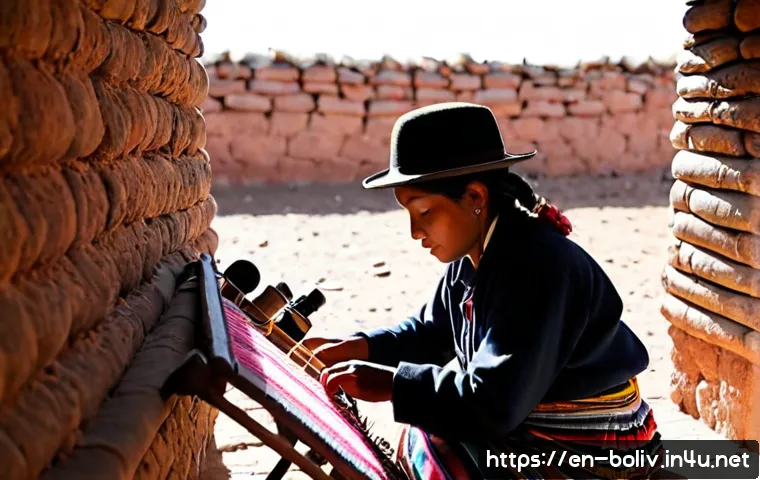
Bolivia’s Indigenous cultures are diverse living traditions shaped by region, language, community, and family history—not a single visitor experience.
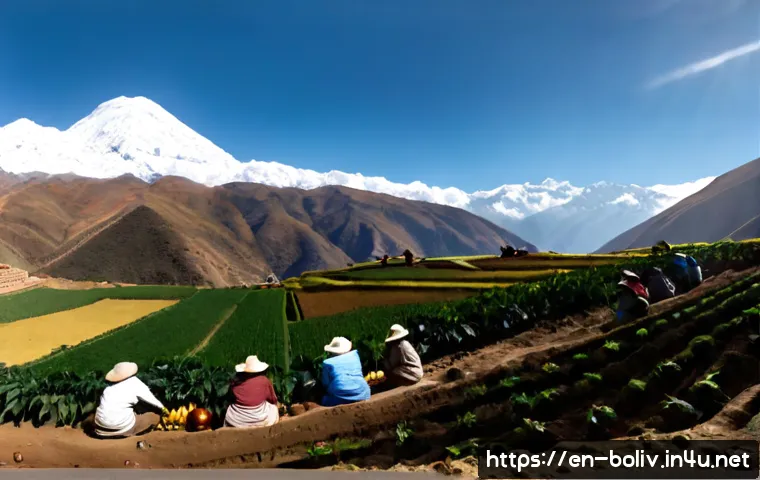
The most respectful way to learn is to listen, ask permission, and choose experiences that clearly explain local leadership, consent, and community benefit.
A community-led guide can add useful context when visiting markets, cultural spaces, workshops, or celebrations where expectations may not be obvious.
Travelers should avoid assuming that a textile, ceremony, or style of dress has the same meaning across the country. Before booking a local guide, homestay, or cultural tour, ask who leads it, where visitor fees go, and whether photography or participation is permitted.
These simple checks help travelers support meaningful cultural exchange rather than treating people’s daily lives as an attraction.
At a Glance
- Bolivia recognizes 36 Indigenous nations and peoples, with cultural practices varying widely across regions and communities.
- A community-led guide can help visitors understand local etiquette, language context, and permission requirements.
- For tours and crafts, look for clear information about maker attribution, consent, local ownership, and community benefit.
| Option | Potential Value | Limits to Consider | Questions to Ask Before Choosing |
|---|---|---|---|
| Independent visit | Flexible pace for public markets, museums, and everyday city life. | Local rules around photos, private spaces, and ceremonies may not be clear. | Is the space open to visitors? Are photos or recordings allowed? |
| Local guide | Context for language, regional history, foodways, and respectful interaction. | Guide credentials, language support, and fee practices should be verified. | What experience does the guide have, and how do they handle consent? |
| Community-based experience | May create a more direct connection with local hosts, workshops, or homestays. | Community ownership and fair compensation cannot be assumed from marketing alone. | Who operates it, who receives the fees, and what participation is appropriate? |
What Makes Bolivia’s Indigenous Cultural Landscape So Diverse?
The key point: Bolivia is not one culture or one Indigenous experience
Bolivia’s 2009 Constitution recognizes 36 Indigenous nations and peoples. That recognition is an important starting point, but it should not lead visitors to expect one shared set of customs. Indigenous cultural life differs by region, language, community, family, generation, and whether people live in urban or rural settings.
Quechua and Aymara communities are prominent in the Andean highlands, while Guaraní and many other peoples live in lowland regions. A respectful traveler avoids broad statements such as “this is how Bolivian Indigenous people live.” Instead, ask what is meaningful in the particular place you are visiting.
Highland, valley, and lowland contexts at a glance
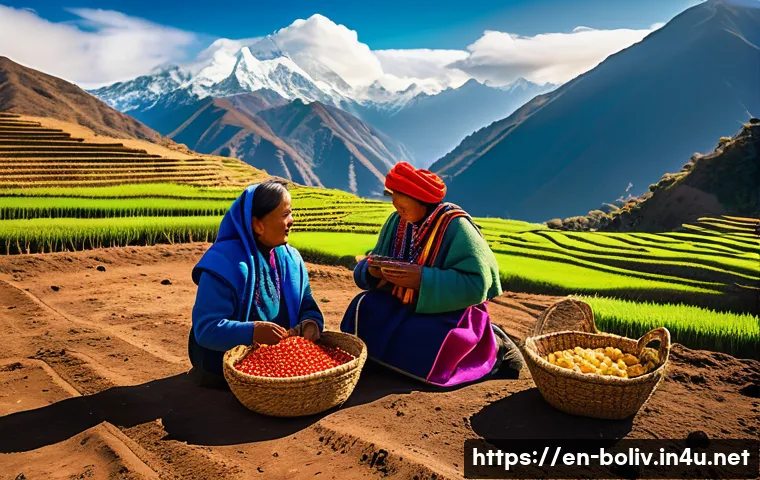
The Andean highlands, including the Altiplano, are often associated with Aymara and Quechua cultural contexts. Valley areas, including the Cochabamba region, also have their own local histories, languages, foodways, and community connections. Lowland areas include Guaraní communities and many other peoples, with cultural settings that should not be interpreted through a highland-only lens.
Geography is context, not a stereotype. It can help you prepare better questions, but it does not tell you what an individual family believes, wears, speaks, or practices.
Language, community, and place as cultural reference points
Bolivia recognizes Spanish and numerous Indigenous languages as official languages. Language can be an important cultural reference point, but visitors should not assume that every person speaks the same language or wants to act as an interpreter of an entire community. A local guide may be helpful when language support and cultural explanation are needed, especially if the guide clearly describes their role and local relationships.
The Wiphala, a multicolored checkered flag associated with Andean Indigenous identity, is also an official state symbol in Bolivia. It carries public and cultural significance; it should not be treated as a generic travel decoration.
Traditions Visitors May Encounter—And How to Understand Them Respectfully
Textiles, dress, music, food, and local markets
Textiles are among the most visible parts of Bolivia’s cultural landscape. They can communicate regional identity, community affiliation, technique, and aesthetic heritage. A woven item is not simply a souvenir pattern, and its meaning may not be obvious to an outsider.
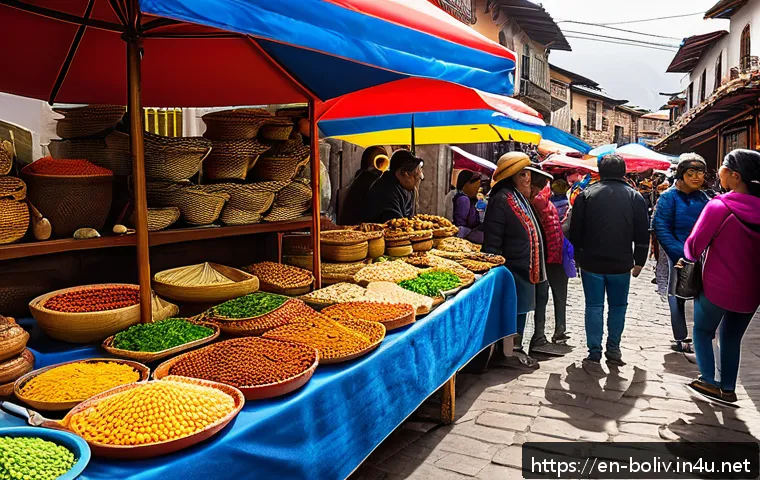
Markets can be good places to encounter food, crafts, everyday commerce, and local social life. Browse with curiosity, but do not treat sellers or shoppers as part of a staged scene. If you are considering a textile or craft purchase, ask who made it, where it comes from, what materials were used, and whether the maker is identified.
Festivals and ceremonies are not automatically tourist performances
Community celebrations, agricultural calendars, music, foodways, and spiritual traditions remain important in the lives of many Bolivians. Their importance does not mean that every event is open for visitor participation. A public celebration may still involve private moments, religious meaning, or local expectations that are not visible to guests.
Do not assume that ceremony attendance, recording, or close observation is appropriate because an event is happening in a public area. Ask first, accept a no without debate, and follow any direction given by organizers or local hosts.
Why permission and local context matter
Permission is not a formality. It is part of respectful travel. Before taking a portrait, filming music, entering a community space, or joining a workshop, ask clearly and wait for an answer. A guide can add value by explaining what is appropriate before a misunderstanding occurs.
Comparing Cultural Experiences: Independent Visits, Local Guides, and Community-Led Tours
What each option can offer
An independent visit may suit travelers who want to explore public markets, urban areas, and widely accessible cultural sites at their own pace. A local cultural guide may be a stronger choice when interpretation, language support, or etiquette guidance would improve understanding. A community-based tour, workshop, or homestay may offer deeper interaction, but its claims should be checked carefully.
There is no automatic “best” option. The useful choice is the one that matches your purpose while respecting the people who host or guide the experience.
Questions to ask about fees, consent, and community benefit
Before booking, ask practical questions: Who owns or leads this experience? How are visitor fees used? Do hosts choose whether and how visitors participate? What is the policy on photography and recording? These questions are reasonable, not rude.
If a provider cannot explain where fees go, who the hosts are, or what visitors may do, treat that as a reason to pause and seek clearer information.
When paying for an experienced local guide is worthwhile
A paid local guide can be worthwhile when you need help understanding regional context, navigating language differences, or visiting a place where etiquette matters. The value is not only convenience. Good guidance can reduce the chance of intrusive behavior and help you make more informed choices about cultural tours and artisan purchases.
Responsible Travel and Craft-Buying Practices That Avoid Common Mistakes
Photography, bargaining, and personal-space etiquette
Never assume that clothing, a market stall, or a public gathering creates permission for a photograph. Ask before taking portraits and respect an answer that is uncertain or negative. Avoid persistent bargaining over handmade work; a lower price is not the only measure of a good purchase.
Keep personal space in mind. Do not touch textiles, clothing, instruments, or ceremonial objects without an invitation. Living cultures are not costumes, props, or content backdrops.
How to assess artisan provenance and fair compensation
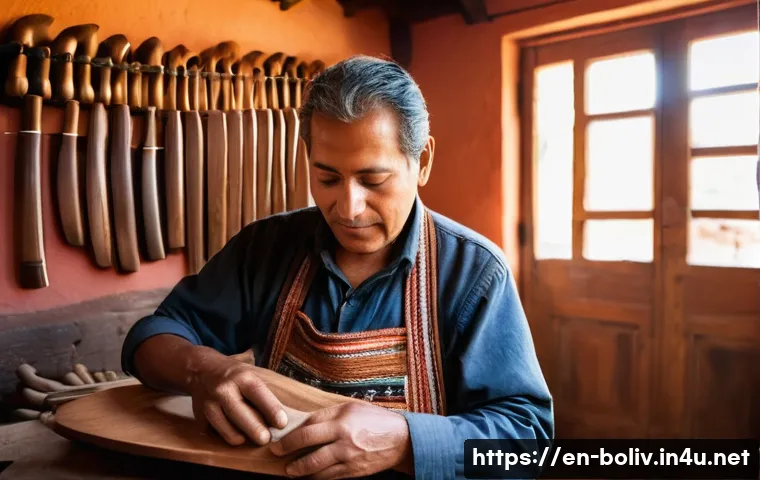
For ethical Bolivian crafts, look for provenance: information about where an item was made and by whom. Ask whether a named maker, family, cooperative, or community is connected to the work. Ask about materials and techniques without demanding that a seller reveal private cultural knowledge.
Clear answers do not guarantee fair compensation, but they are better than vague claims. If you want to compare artisan shops or workshop listings, focus on maker attribution, transparent sourcing, and whether the seller can explain how artisans are compensated.
Red flags in staged or extractive cultural tourism
Be cautious when an experience presents a whole community as a single spectacle, pressures visitors to photograph people, or gives no information about consent and fee distribution. Another warning sign is marketing that promises unrestricted access to ceremonies or private community life. Respectful cultural travel has boundaries.
Planning by Region: La Paz and the Altiplano, Cochabamba Valleys, and Lowland Areas
Adapting expectations to geography and local customs
La Paz and the wider Altiplano can be useful places to learn about Andean contexts, including Aymara and Quechua presence. Cochabamba valley areas call for attention to their own local setting rather than a generic highland narrative. In lowland areas, visitors should recognize that Guaraní and many other peoples have distinct histories and cultural contexts.
Plan for a specific place, not an imagined national “Indigenous experience.” Read the description of a tour, guide service, workshop, or homestay closely and ask what it actually includes.
Transport, language, and accessibility considerations
Exact transport options, language support, accessibility conditions, safety arrangements, prices, and availability vary by provider and location. Confirm these details directly before booking. If accessibility or interpretation matters to your group, ask about it in plain terms rather than assuming it will be available.
Choosing a Responsible Cultural Experience: A Comparison Summary
Best fit for first-time visitors, researchers, families, and independent travelers
First-time visitors may benefit from a local guide when they want cultural context and help with etiquette. Independent travelers may prefer public markets and open urban spaces, provided they remain attentive to permission and personal boundaries. Families should ask whether activities are suitable for their group and whether hosts welcome children. Researchers, students, and educators should be especially clear about note-taking, recording, and any plans to share what they learn.
Final checklist before booking a guide, workshop, or homestay
Check whether the experience identifies its local hosts or operators. Ask how fees benefit guides, makers, or the community. Confirm rules for photos, recordings, ceremonies, and private spaces. Review language, transport, accessibility, and availability details directly with the provider. For tours, workshops, homestays, and artisan purchases, look for these details on the relevant official or provider page before making a decision.
Closing Thoughts
Respectful travel in Bolivia begins with accepting complexity. Indigenous cultures are active, varied, and connected to real communities rather than a single tourism category. A thoughtful guide, a transparent craft seller, or a clearly community-led experience can provide useful context, but visitors still carry responsibility for their own behavior. Ask, listen, and let local boundaries shape your plans.
Useful Things to Know
1. Bolivia recognizes Spanish and numerous Indigenous languages as official languages.
2. The Wiphala is an official state symbol associated with Andean Indigenous identity.
3. Textile traditions may communicate identity, affiliation, technique, and aesthetic heritage.
4. Permission for photography, recording, or ceremony attendance can vary by location and community.
Important Notes
Specific tour ownership, fair-compensation practices, cultural appropriateness, prices, access conditions, safety arrangements, and language support must be confirmed with each provider. No visitor should assume that an individual represents an entire nation, community, or tradition. Local guidance and consent should take priority over general travel advice.
Frequently Asked Questions
Q1. What are the main Indigenous cultures in Bolivia?
A1. Bolivia recognizes 36 Indigenous nations and peoples. Quechua and Aymara communities are prominent in the Andean highlands, while Guaraní and many other peoples live in lowland regions. This is only a starting point: cultural practices vary greatly by community, place, language, and family.
Q2. Is it better to book a local guide for Indigenous cultural experiences in Bolivia?
A2. A local guide can be useful when you need regional context, language support, or help understanding local etiquette. Before booking, ask who leads the experience, how fees are used, what permissions are in place, and whether photography or participation is allowed.
Q3. How can travelers buy Bolivian textiles and crafts respectfully?
A3. Ask about the maker, place of origin, materials, and technique. Look for clear maker attribution and transparent sourcing rather than treating an item as an anonymous souvenir. Avoid aggressive bargaining, and remember that a textile may carry cultural meaning beyond its visual design.