Plan a practical La Paz itinerary with neighborhood-based sightseeing, altitude-friendly pacing, transport tips, and clear guidance on when a guided tour, private transfer, or day trip is worth the cost.
For a first trip to La Paz, plan at least two full days, keep your arrival day light, and build your route around altitude rather than trying to see everything at once. A central hotel area and a pre-arranged airport transfer can make the first hours much easier, especially after a late arrival at El Alto International Airport. Start with nearby historic-center sights and a Mi Teleférico ride, then add Valle de la Luna or a guided day trip only after you feel comfortable. Independent travelers can cover the city well on their own, while small-group tours and private guides are most useful when transport, timing, or local interpretation matters. Before booking, compare hotel location, tour inclusions, cancellation terms, and the practical details of getting between La Paz and El Alto.
At a Glance
- Take the first day slowly: La Paz and El Alto are at very high elevation, so avoid demanding walking, cycling, or long excursions immediately after arrival.
- Stay by your route: A central base can reduce unnecessary uphill walking, taxi time, and backtracking between city sights.
- Book transport thoughtfully: A pre-arranged airport transfer is especially useful for late arrivals, while guided day trips can simplify longer excursions.
| Travel Style | Comfort and Pace | Typical Inclusions to Check | Best Fit |
|---|---|---|---|
| Self-Guided | Most flexible; easy to slow down for altitude | Transport, entrance arrangements, route planning | Travelers comfortable navigating city transport and adjusting plans |
| Small-Group Tour | Set pace; less planning required | Pickup point, guide language, meals, entry fees, group size | Visitors who want logistics and interpretation handled |
| Private Guide or Transfer | Most controlled and adaptable pace | Vehicle type, waiting time, route, pickup details, cancellation terms | Late arrivals, mobility needs, families, or travelers with limited time |
The Best First-Time Route Through La Paz
A Quick Answer: Allow at Least Two Full Days and Keep Arrival Day Light
La Paz rewards a slower start. Because the city sits high in the Andes, the smartest first-day plan is usually a simple hotel check-in, food and water, and only gentle nearby sightseeing if you feel well. Do not schedule an ambitious walking route, cycling activity, or long day trip immediately after landing.
A two-day city stay gives you room for the historic center, local markets, museums, colonial-era streets, and a Mi Teleférico ride without turning the visit into a race. If you have additional time, add one nearby landscape visit or a longer historical or lake extension.
A Practical 2-Day Route for City Sights, Cable Cars, and Local Markets
On your first full day, focus on the historic center. Keep the route compact: major civic and cultural landmarks, markets, museums, and colonial-era streets can be grouped together rather than visited through repeated cross-city trips. This approach also leaves space for breaks if the altitude affects your energy.
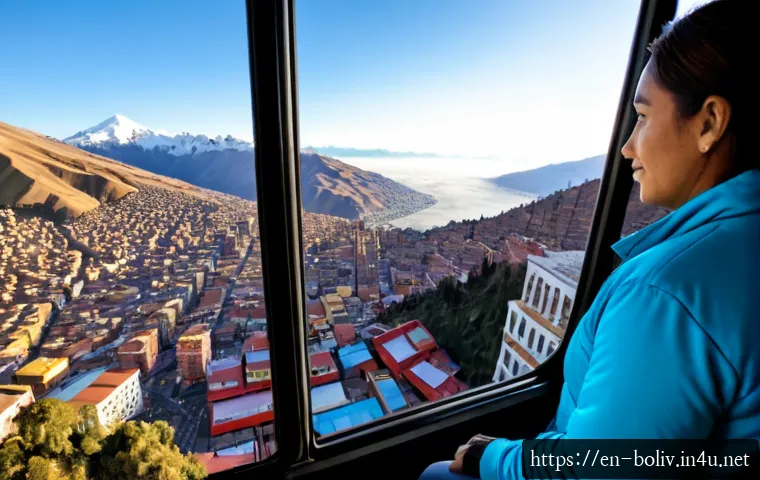
Use a Mi Teleférico route as both transport and sightseeing. The cable-car network connects La Paz and El Alto and provides panoramic city views on many routes. Choose a route that fits the rest of your day instead of riding multiple lines simply to check them off.
For the second day, combine another neighborhood with the cable cars or reserve time for a short excursion. Leave buffer time for traffic, pickup coordination, weather changes, and the slower pace that some first-time visitors need at high altitude.
A 3- to 4-Day Version With Valle de la Luna, Tiwanaku, or Lake Titicaca
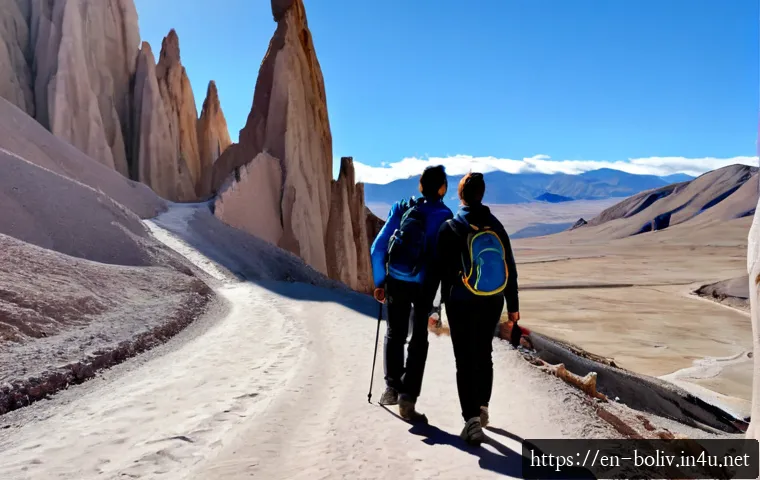
With a third day, Valle de la Luna is a practical add-on for travelers who want unusual eroded rock formations and walking paths without committing to a long overnight route. It is a better fit than a demanding adventure day when you still want a lower-commitment excursion.
Tiwanaku suits travelers whose priority is archaeology and history. It can be visited from La Paz, but transport planning matters, so compare a self-arranged visit with a guided option based on your comfort with logistics and your interest in interpretation.
Lake Titicaca, Copacabana, and Isla del Sol are better treated as a longer day trip or an overnight extension. If your schedule permits, an overnight plan can feel less rushed than trying to force the lake into an already full La Paz itinerary.
Build an Itinerary Around Altitude, Neighborhoods, and Transport
Why Acclimatization Should Shape Your First 24 Hours
Altitude affects travelers differently, and no itinerary can predict how you will feel. The sensible approach is to keep the first 24 hours flexible, avoid strenuous plans, and allow time to rest before committing to a long excursion. If you have health concerns or need advice on whether high-altitude activity is appropriate for you, seek qualified medical guidance before travel.
Historic Center, Sopocachi, Zona Sur, and El Alto: What Each Area Is Best For
Choose accommodation based on the places you actually plan to visit. The historic center is a logical base for travelers focused on landmarks, markets, museums, and colonial-era streets. Sopocachi and Zona Sur may suit a different daily route, while El Alto can be relevant for airport access and Mi Teleférico connections.
The key is not to book only by the nightly rate. A less convenient hotel can add repeated taxi rides, extra walking, and more complicated returns at the end of the day. Before reserving, look at the hotel’s position relative to your first morning, evening plans, and intended pickup points.
Using Mi Teleférico, Taxis, and Pre-Arranged Transfers Efficiently
Mi Teleférico can be an efficient urban transport choice between La Paz and El Alto, with the added benefit of broad views. For routes outside the cable-car network, taxis and pre-arranged transport may be more practical, particularly when carrying luggage.
A pre-booked airport transfer is worth considering if you arrive late, prefer a confirmed pickup, have limited mobility, or do not want to sort out transport after a high-altitude flight. Confirm the meeting point, vehicle arrangement, luggage expectations, waiting policy, and the destination neighborhood before paying.
Self-Guided vs. Guided Experiences: What Is Worth Paying For?
Independent Sightseeing, Small-Group Tours, and Private Guides
Self-guided sightseeing is often enough for a relaxed city day, especially when your plan centers on one neighborhood and a Mi Teleférico route. It gives you the freedom to pause, change plans, or return to your hotel if you need rest.
A small-group tour can be worthwhile for Tiwanaku, a longer Lake Titicaca route, or any experience where transport coordination and local context matter. A private guide or private transfer is most useful when timing is fixed, the arrival is late, or you want complete control over pace and stops.
When an Airport Transfer Can Be More Valuable Than Finding Transport After Landing
An airport transfer is not automatically necessary, but it can remove friction at the point when you may be tired and adjusting to the altitude. It is particularly practical when your accommodation is not straightforward to reach, when you land after dark, or when you prefer a confirmed route from El Alto International Airport to your hotel.
Compare transfer options by more than headline price. Check whether the service is private or shared, how the pickup is organized, what happens if travel timing changes, and whether the final destination is clearly confirmed.
How to Compare Tour Prices Before Booking
Do not compare tours by the listed price alone. Check the full inclusion list: transport, guide language, group size, meals, entrance arrangements, safety equipment where relevant, pickup location, and cancellation terms. Ask whether an itinerary depends on weather or road conditions and whether the operator provides clear instructions for what to bring.
For cycling or other adventure activities, operator standards and current weather checks matter more than a bargain headline. Confirm the exact activity, equipment, supervision, pickup plan, and insurance expectations before you commit.
Day Trips and Add-Ons That Match Different Travel Styles
Valle de la Luna for a Shorter Excursion
Valle de la Luna is a good choice when you want a change from the city without turning the day into a complex long-distance plan. Its eroded rock formations and walking paths offer a distinct landscape experience. Still, plan the visit around how you are feeling rather than assuming it should be added to an already packed sightseeing day.

Tiwanaku for Archaeology and History
Tiwanaku is an important archaeological destination accessible from La Paz with appropriate transport planning. It is a strong match for visitors who want more than a city itinerary and value historical context. A guided tour may justify its cost if it simplifies transport and provides the level of interpretation you want.
Lake Titicaca and Copacabana for Travelers With an Extra Night
Lake Titicaca, Copacabana, and Isla del Sol are commonly considered from La Paz, but they deserve enough time. If the lake is a major reason for your trip, consider an overnight extension rather than squeezing it between arrival and departure days. Confirm current transport schedules, road conditions, and tour timing close to departure.
Adventure Activities: Why Operator Standards and Weather Checks Matter
Adventure activities require more preparation than a city walk or cable-car ride. Check current weather, road conditions, operator procedures, safety equipment, pickup timing, and cancellation policies. Travel insurance terms should also be reviewed carefully to understand what activities and circumstances are covered.
Common Planning Mistakes and How to Avoid Them
Overloading the Arrival Day
The common mistake is treating arrival as a normal sightseeing day. Keep your first plan close to your hotel and easy to abandon. Your best La Paz itinerary is the one that leaves room to adjust.
Booking Accommodation Only by Price
A low room rate can be less useful if the hotel is far from your planned route. Select a hotel by location, daily transport needs, and pickup convenience, then compare room features and cancellation conditions.
Assuming Cards, Cash Access, Roads, or Schedules Will Work the Same Everywhere
Bolivia uses the boliviano (BOB). Confirm current exchange rates, card acceptance, and cash access for the places and services you expect to use. Road conditions, protests, weather, and transport schedules can change, so verify time-sensitive details shortly before departure.
Skipping the Final Tour Confirmation
Before paying, confirm pickup location, guide language, group size, equipment, meals, entrance arrangements, and insurance expectations. These details determine whether a tour is genuinely convenient or simply looks convenient in a listing.
Selection Criteria and Comparison Summary
Choose a central stay if your time is limited and the historic center is your main focus. Choose a small-group tour when longer-distance logistics and local interpretation matter more than complete flexibility. Choose a private transfer or guide when arrival timing, mobility needs, luggage, or schedule control are priorities. Compare transfer options for late arrivals, check tour inclusions line by line, and select a hotel by the route you will actually follow. For final conditions, review the official information and detailed booking terms on the relevant provider page.
Final Thoughts
La Paz is easier to enjoy when you plan for its altitude and geography rather than fighting them. A light arrival day, a neighborhood-based city route, and realistic transport choices create a stronger trip than an overloaded checklist. Add guided services where they solve a real problem: airport arrival, complex day-trip transport, or the need for deeper context. Keep current conditions in mind, and leave enough flexibility to change plans if needed.
Useful Things to Know
Currency: Bolivia uses the boliviano (BOB), so confirm current exchange rates and card acceptance before relying on either payment method.
Transport: Mi Teleférico is both an urban transport network and a scenic way to travel between La Paz and El Alto.
Timing: Longer trips to Lake Titicaca, Copacabana, and Isla del Sol are often better with an extra night.
Booking: Confirm pickup points, inclusions, and cancellation terms before reserving a transfer or tour package.
Important Notes
Prices, hotel availability, cable-car operations, taxi arrangements, road conditions, weather, protests, entrance procedures, and tour schedules can change. Entry, visa, vaccination, insurance, and border requirements must be checked with current official sources. This itinerary is a planning framework, not a medical assessment or a guarantee of transport or activity conditions.
Frequently Asked Questions
Q1. How many days do I need in La Paz, Bolivia?
A1. Allow at least two full days for a first visit: one for a slow-paced historic-center and cable-car route, and another for additional neighborhoods or a short excursion. Add a third or fourth day for Valle de la Luna, Tiwanaku, or a longer Lake Titicaca extension.
Q2. Is it worth booking a guided tour in La Paz or can I explore independently?
A2. You can explore many city sights independently, especially if you stay near the historic center and keep your route simple. A guided tour is more compelling for Tiwanaku, Lake Titicaca planning, or situations where transport coordination, schedule control, and local interpretation are valuable.
Q3. What is the best way to get from El Alto Airport to a hotel in La Paz?
A3. The best option depends on your arrival time, luggage, hotel location, and comfort level. A pre-arranged airport transfer can be particularly useful for late arrivals or travelers who want a confirmed pickup. Before booking, verify the meeting point, destination, vehicle arrangement, and cancellation terms.