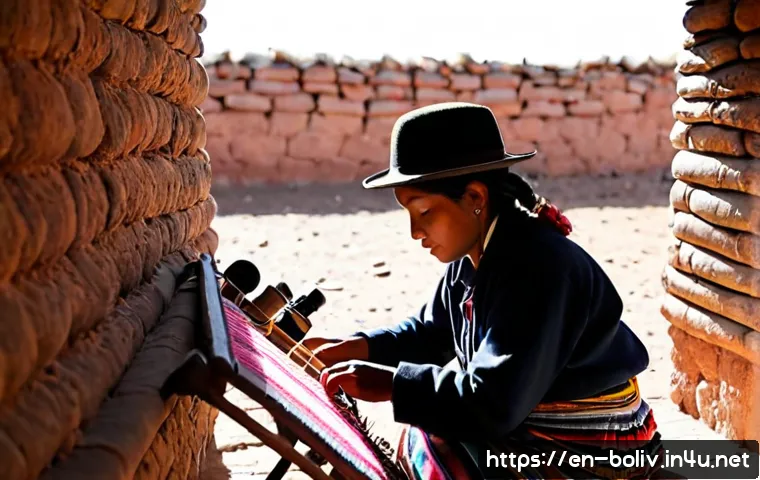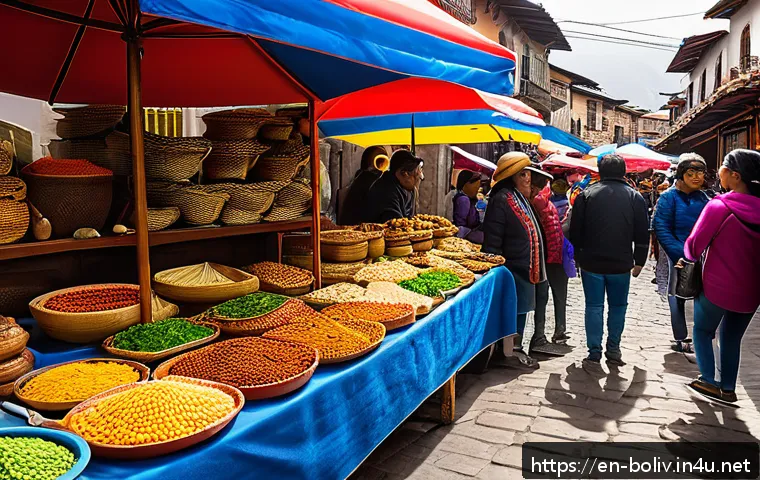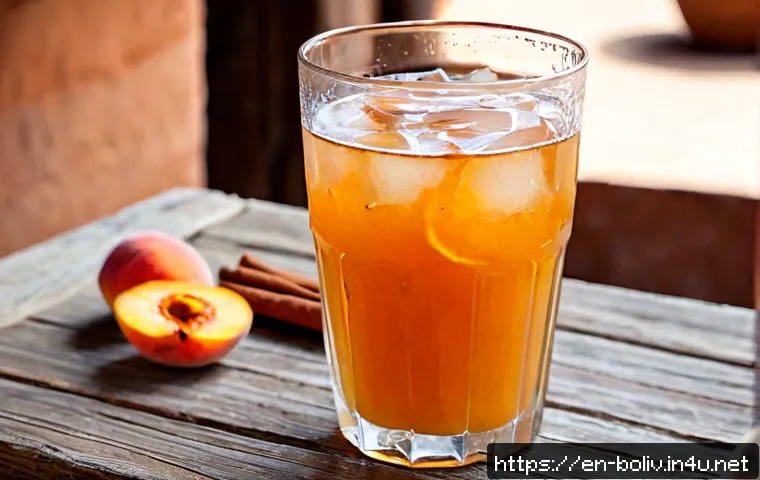
For a first taste of Bolivia, try warm api morado , refreshing mocochinchi , and a singani -based cocktail only if you want an alcoholic option. Corn drinks are not automatically alcoholic, so ask how a particular drink was prepared before ordering.
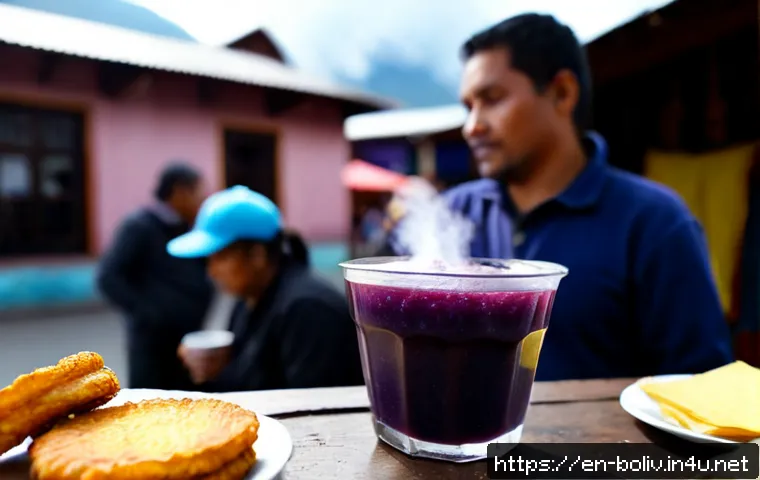
Api morado suits cool mornings, mocochinchi is a sweet dried-peach choice for a warmer moment, and chuflay is a practical introduction to singani in a bar setting.
Markets, cafés, restaurants, food tours, and licensed cocktail bars offer different levels of context, comfort, and price visibility. Check the serving size, ingredients, ice, water source, sugar, and alcohol status rather than assuming the same recipe everywhere.
At a Glance
- For breakfast warmth: choose api morado, a thick purple-corn drink commonly served warm.
- For a sweet refreshment: choose mocochinchi, traditionally made with dried peaches and usually served chilled or at room temperature.
- For a cocktail tasting: look for singani or a chuflay at a licensed bar, and ask about the serving.
| Drink | Flavor and Texture | Typical Temperature | Likely Alcohol Status | Best Setting | Question to Ask |
|---|---|---|---|---|---|
| Api morado | Thick, corn-based, spiced | Warm | Generally nonalcoholic | Breakfast stop, market, café | “Is it sweetened?” |
| Mocochinchi | Sweet dried-peach flavor | Chilled or room temperature | Generally nonalcoholic | Market, café, restaurant | “Does it have ice?” |
| Somó | Corn-based and sometimes sweetened | Varies | Ask before ordering | Lowland food stop or restaurant | “Is it fermented?” |
| Chicha | Varies widely by preparation | Varies | May be alcoholic | Restaurant or guided tasting | “Does it contain alcohol?” |
| Mate de coca | Herbal infusion | Usually warm | Nonalcoholic | Highland café or accommodation | “Are coca leaves used?” |
| Singani / chuflay | Grape-spirit cocktail | Usually served cool | Alcoholic | Licensed cocktail bar | “How is it mixed?” |
Quick Answer: Start With One Warm Drink, One Refreshing Drink, and One Bar Specialty
A simple tasting plan is api morado in the morning, mocochinchi during the day, and a chuflay later only if you want to explore Bolivian cocktails. This gives you three clearly different experiences: warm corn richness, dried-fruit sweetness, and a grape-spirit mixed drink. The important condition is that recipes, sweetness, serving size, and alcohol content can vary by venue.
Best First Orders for Travelers Who Prefer Nonalcoholic Options
Api morado and mocochinchi are the most straightforward starting points. Api morado is commonly served at breakfast or in cooler weather, while mocochinchi can feel more suitable when you want something chilled or room temperature. Mate de coca is another nonalcoholic choice commonly offered in highland areas, but it is made from coca leaves, so travelers should consider destination-country rules, workplace policies, and drug-testing requirements.
What to Ask Before Trying Fermented or Spirits-Based Drinks
Ask directly whether a corn drink is fermented and whether it contains alcohol. This matters especially for chicha, a broad name for traditional corn-based beverages whose preparation and alcohol content can differ by place. For singani cocktails, ask how the drink is mixed and whether ice is included.
A Quick Comparison of Flavor, Temperature, and Likely Alcohol Content
Choose api morado for warm, thick, spiced comfort. Choose mocochinchi for dried-peach sweetness. Try somó if you are interested in a lowland corn-based drink, while remembering that sweetness and preparation may differ. Select singani or chuflay when your priority is a responsible local cocktail experience rather than a daytime refreshment.
The Core Bolivian Drinks to Know Before You Order
Api Morado for a Warm, Filling Corn Drink
Api morado is a thick, warm beverage commonly made with purple corn and spices. It is often associated with breakfast and cooler weather, making it an easy choice on a cold highland morning. Because individual vendors may sweeten it differently, ask if you prefer a less sweet drink. A café can be useful when you want a seated breakfast stop, while a market stall may be better for a quick local-style order.
Mocochinchi for Dried-Peach Sweetness and Refreshment
Mocochinchi is traditionally prepared from dried peaches and is usually served chilled or at room temperature. Its fruit-forward profile makes it a useful contrast to api morado. Before buying, check whether ice has been added and whether the serving is prepared with water you are comfortable consuming. If you want to compare a few traditional drinks with a meal, a restaurant may offer more time to ask questions.
Somó and Other Regional Corn-Based Choices
Somó is a corn-based drink associated with Bolivia’s lowland regions and may be served sweetened. It is a good choice for travelers who want to move beyond the most familiar market orders and explore regional food culture. Do not assume that one version will match another: ask about sweetness, ingredients, temperature, and fermentation before deciding.
Mate de Coca as a Highland Herbal Infusion
Mate de coca is an herbal infusion made from coca leaves and is commonly offered in highland areas. It is distinct from a corn beverage and from a cocktail, so it fits travelers looking for a simple warm infusion. Still, “traditional” does not mean suitable for every itinerary. Confirm whether coca products may create issues under the rules that apply after your Bolivia trip.
Singani and Chuflay for a Bolivian Cocktail Experience
Singani is a Bolivian grape spirit commonly used in mixed drinks such as chuflay. A licensed cocktail bar is generally the clearest setting for asking about the spirit, mixer, ice, and serving style. Pace yourself and treat it as an alcoholic drink, not as a casual hydration stop. For visitors choosing a food tour with a drinks component, confirm in advance whether alcohol tasting is included or optional.
Compare Value, Setting, and Serving Style Before Spending
Market Stall Versus Café Versus Restaurant: What Changes
A market stall can suit a fast, informal tasting. A café may be preferable for a relaxed breakfast drink or a warm seat in cooler weather. A restaurant can make it easier to pair drinks with food and ask about ingredients. None of these settings guarantees an identical recipe, so use the setting for convenience and comfort rather than assuming a fixed standard.
When a Guided Food Tour May Offer Better Context Than Ordering Alone
A guided food tour can be useful if you want context around regional corn drinks, market customs, or tasting order. It may also make it easier to ask questions about ingredients and local names. Before booking, check the itinerary for the neighborhoods visited, included tastings, alcohol policy, and whether dietary needs can be discussed.
Portion Size, Sharing, Bottled Purchases, and Price-Check Habits in Bolivianos
Prices and serving sizes can vary significantly by city, venue, and tourist setting. Ask for the price in bolivianos (Bs) before ordering if it is not displayed, particularly when comparing a market stall with a restaurant or bar. For bottled beverages, check that the bottle is sealed before purchase. If you are sharing, confirm whether the portion is intended for one person or more than one.
Ordering Safely: Water, Ice, Fermentation, Sugar, and Alcohol Questions
Simple Questions to Ask in Spanish Before Ordering
“¿Tiene alcohol?” asks whether it contains alcohol. “¿Está fermentado?” asks whether it is fermented. “¿Tiene hielo?” asks whether it has ice. “¿Es muy dulce?” asks whether it is very sweet. “¿Qué ingredientes tiene?” asks what ingredients it contains.
When to Avoid Uncertain Ice, Unsealed Bottles, or Unclear Fermentation
If you are unsure about the water source, ice, bottle seal, or fermentation process, choose another option or ask for clarification. This is especially relevant for homemade drinks and mixed beverages where the preparation is not visible. A clear answer is helpful, but individual travelers still need to make their own decision based on personal needs and comfort level.
Dietary Considerations for Corn, Sugar, Fruit, and Alcohol
Corn-based drinks may not suit every dietary preference, and sweetness can differ between vendors. Mocochinchi involves dried peaches, while singani and chuflay involve alcohol. Ask about ingredients rather than relying on the drink name alone, particularly if you avoid sugar, fruit, corn, alcohol, or specific additions.
Choose by Travel Situation and Taste Preference
For Cold Highland Mornings and Breakfast Stops
Choose api morado when you want a warm, filling drink. It is the clearest first order for travelers seeking a traditional breakfast-style beverage.
For Hot Lowland Afternoons
Consider mocochinchi for a chilled or room-temperature dried-peach drink. If you see somó, ask how it is prepared and sweetened before ordering.
For Travelers Avoiding Alcohol
Api morado, mocochinchi, and mate de coca are the most direct categories to explore, while chicha requires a question about fermentation and alcohol content. Avoid assumptions based only on a menu label.
For Visitors Seeking a Responsible Local Cocktail Experience
Choose singani or a chuflay in a licensed cocktail bar. Ask about the mixer and ice, and keep the tasting separate from driving or other activities where alcohol would be inappropriate.
Selection Criteria and Comparison Summary
Choose api morado for warmth, mocochinchi for dried-fruit refreshment, somó for a lowland corn-based option, and singani or chuflay for cocktails. Before spending, check the price in Bs, serving size, sweetness, alcohol status, ice, and ingredient list. Choose a market stall for speed, a café or restaurant for a more comfortable conversation, a guided food tour for added context, and a licensed bar for cocktails. For tour details, menu conditions, or tasting inclusions, check the relevant provider page before booking.
In Closing
Bolivia’s traditional drinks cover very different moments of a trip, from a warm breakfast stop to a chilled fruit drink or an evening cocktail. The best first approach is not to try everything at once, but to choose based on temperature, sweetness, and alcohol preference. Ask a few clear questions, compare settings, and let the individual venue explain its version. That makes the tasting more useful and more enjoyable.
Useful Things to Know
1. Chicha is a broad category, not a promise of one flavor or alcohol level.
2. Menu prices and portions can vary by city and venue.
3. Mate de coca may require extra consideration for onward travel or workplace rules.
4. Ice, water source, and ingredients are worth checking when you are uncertain.
Important Notes
Recipes, fermentation practices, sweetness, alcohol levels, availability, and prices vary between individual stalls, homes, restaurants, and cities. This guide cannot confirm whether a specific drink, water source, ice supply, or ingredient is suitable for your dietary or medical needs. Confirm details directly before ordering, especially for fermented beverages, sealed bottled purchases, and coca products.
Frequently Asked Questions
Q1. What is the best traditional Bolivian drink for a first-time visitor?
A1. Api morado is a simple first choice if you want a warm, nonalcoholic corn drink. Mocochinchi is a good alternative if you prefer dried-peach sweetness and a chilled or room-temperature serving.
Q2. Are Bolivian corn drinks always alcoholic?
A2. No. Api morado is commonly treated as a nonalcoholic warm drink, while chicha can vary in preparation, fermentation, and alcohol content. Ask at the specific venue before ordering.
Q3. How much should travelers expect to pay for traditional drinks in Bolivia?
A3. Prices vary significantly by city, serving size, venue, and tourist setting. Ask for the price in bolivianos (Bs) before ordering when it is not clearly shown.
Q4. Is it safe to try drinks with ice or homemade fermented beverages in Bolivia?
A4. Safety depends on the individual preparation, water source, ice, storage, and your own dietary or medical needs. If those details are unclear, ask questions or choose another drink that feels more appropriate for you.